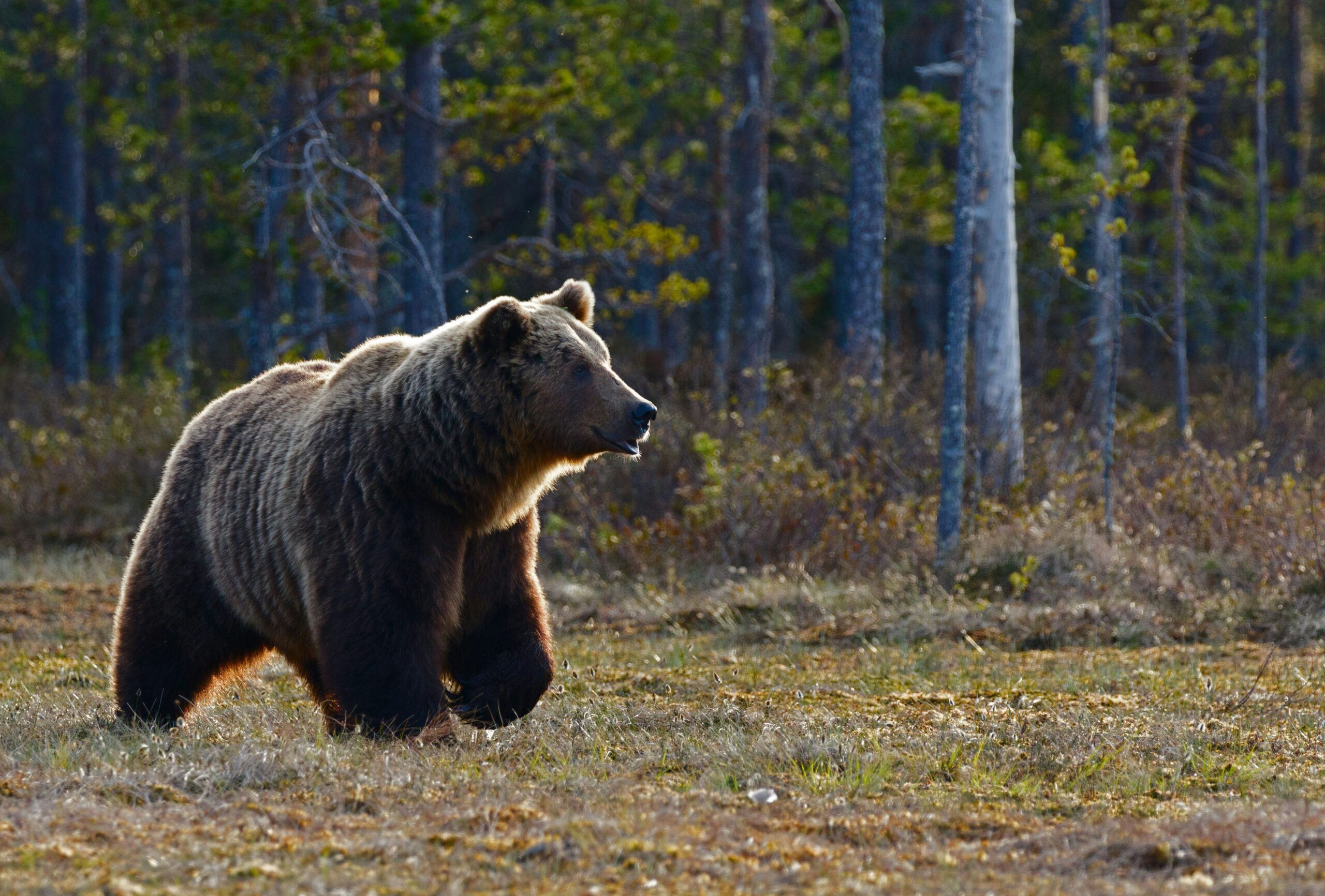

Ethical wildlife viewing is about observing animals in ways that minimise disturbance, respect their needs, and avoid altering their natural behaviour. These general principles apply whether you are watching birds in a local park, photographing mammals on safari, or encountering marine life while snorkelling.
The aim is not to restrict enjoyment, but to ensure that wildlife encounters remain safe, meaningful, and sustainable for the long term. The best experiences with wildlife are when you can witness natural behaviour.
Please research your specific destinations wildlife and guidelines associated but the general rules tend to apply to most species.
ALLOW WILDLIFE TO REMAIN WILD
In the worst cases, animals whose behaviour has been altered by human interaction may be considered a risk to public safety and may be humanely destroyed. Others may experience long-term health impacts or reduced quality of life as a result of disrupted natural behaviours.
1. Prioritise the Animal’s Welfare
The central question to keep in mind is: does my presence change the animal’s behaviour or increase its risk?
Ethical viewing means the animal’s wellbeing always comes before getting closer, a better photo, or a more dramatic experience.
Stress, repeated disturbance, or altered behaviour can reduce an animal’s ability to feed, rest, reproduce, or avoid predators—even if the impact is not immediately obvious.
2. Keep a Respectful Distance
Maintaining distance allows animals to behave naturally and reduces stress. Many species interpret close approaches as a threat, even if they do not flee.
Why this matters:
- Animals forced to move or remain alert use valuable energy.
- Habituation to humans can increase the risk of injury, conflict, or poaching.
- Sudden defensive behaviour can put people at risk.
If an animal changes its behaviour—stops feeding, looks directly at you repeatedly, moves away, vocalises, or shows defensive postures—you are too close.
3. Never Bait, Feed, or Lure Wildlife
Avoid using food, calls, playback, or other attractants to draw animals closer.
Why this matters:
- Feeding alters natural diets and foraging behaviour.
- Animals may associate humans with food, increasing aggression or dependency.
- Artificially concentrated animals are more vulnerable to disease, predators, and human conflict.
Even well-intentioned feeding can have long-term negative effects that extend far beyond a single encounter.
4. Research the Species and Location in Advance
Learning about the wildlife you may encounter helps you interpret behaviour and avoid unintentional harm.
Why this matters:
- Understanding warning signs (stress, aggression, breeding or nesting behaviour) helps you know when to back away.
- Some species are especially sensitive during breeding, migration, or moulting periods.
- Local regulations or guidelines often exist for specific species or habitats.
Research does not need to be extensive—basic knowledge can significantly improve both safety and ethical decision-making.
5. Always follow Local Guidelines and Use Responsible Guides
When available, follow established codes of conduct and consider using reputable local guides.
Why this matters:
- Guidelines are often based on long-term research and local conservation needs.
- Experienced guides can interpret animal behaviour and manage group impact.
- Supporting ethical operators helps reinforce good practices within the tourism industry.
If a guide or operator encourages unsafe or intrusive behaviour, that is a sign to disengage.
6. Move Quietly and Predictably
Keep noise, sudden movements, and group size to a minimum.
Why this matters:
- Loud or erratic behaviour can startle animals, triggering flight or defensive responses.
- Predictable movement allows animals to assess you more calmly and decide how to respond.
This applies equally on land and in water—slow, deliberate movement is less disruptive than fast pursuit.
7. Follow Ethical Wildlife Photography Practices
Photography should document natural behaviour, not create it.
Key principles:
- Avoid flash, especially at close range or in low light.
- Do not reposition animals, nests, or habitat for a better image.
- Do not pursue animals for photographs.
Why this matters:
- Flash can disorient or stress animals, particularly nocturnal species.
- Manipulating scenes can expose animals to predators or environmental stress.
- Images obtained through disturbance can encourage others to repeat harmful behaviour.
A photograph taken from a respectful distance is more ethical—and often more meaningful—than one obtained by intrusion.
8. Stay on Designated Paths and Respect Habitat
Avoid trampling vegetation, disturbing nesting sites, or entering restricted areas.
Why this matters:
- Habitat damage can outlast a brief encounter and affect many species.
- Ground-nesting animals and juveniles are especially vulnerable.
- Repeated off-trail use can create permanent disturbance corridors.
Protecting habitat is an essential part of protecting wildlife.
9. Do Not Touch or Handle Wildlife
Even animals that appear calm, injured, or abandoned should not be touched unless directed by qualified professionals.
Why this matters:
- Handling causes stress and can lead to injury for both animal and human.
- Human scent or interference can cause parents to abandon young.
- Improper assistance can worsen injuries or disrupt natural processes.
If an animal appears injured or in distress, contact local wildlife authorities or rescue organisations.
10. Be Especially Cautious Around Young and During Breeding Seasons
Extra care is needed when animals are breeding, nesting, or caring for young.
Why this matters:
- Adults may abandon nests or young if repeatedly disturbed.
- Defensive behaviour is more likely during these periods.
- Small disruptions can have disproportionate impacts on survival.
If you notice juveniles, nests, or mating behaviour, increasing distance is usually the most ethical response.
11. Leave No Trace of Your Presence
Carry out everything you bring in, including food scraps and biodegradable items.
Why this matters:
- Waste can attract animals to unsafe areas or alter natural behaviour.
- Ingested debris can cause injury or death.
- A clean environment supports long-term viewing opportunities for everyone.
12. Model and Encourage Responsible Behaviour
Ethical wildlife viewing also involves social responsibility.
Why this matters:
- Others may follow your example, for better or worse.
- Calmly choosing not to engage in harmful practices helps normalise ethical standards.
- Sharing accurate information can reduce misinformation and pressure on wildlife.
This does not require confrontation—often, simply acting responsibly is enough.
Conclusion
Ethical wildlife viewing is about awareness, restraint, and respect.
By understanding animal behaviour, minimising disturbance, and prioritising welfare over access or imagery, we help ensure that wildlife remains wild.
These practices protect animals, habitats, and people alike—and make wildlife encounters more authentic and rewarding in the long run.
Please use your common sense and don’t follow others just because someone else is doing it so you can do it too.
FIND THE BEST GEAR TO AID YOUR WILDLIFE EXPERIENCE
Please leave a comment with suggestions or recommendations to help other readers