Category: Beginner Guides

New to nature travel or outdoor adventures? These beginner guides cover the basics — from packing lists and first-time gear choices to simple planning tips — designed to help you start your journey into the outdoors with confidence.

  • Ultralight Tents & Shelters for Adventure

    Ultralight Tents & Shelters for Adventure

    If you’re planning a remote adventure, choosing the right ultralight tents can make or break your experience. Ultralight tents are designed to be compact, fast to set up, highly packable, and easy to carry over long distances — making them ideal for wild camping and off-grid travel across the UK and beyond. In this guide, we compare leading brands including MSR, NEMO Equipment, and Terra Nova Equipment, alongside affordable alternatives that deliver impressive performance without the premium price tag.


    What to Look for in Ultralight Tents

    Before diving into recommendations, here are the key factors for off-grid camping:

    1. Weight & Pack Size

    • Ideal solo tent weight: 0.8kg–1.5kg
    • Two-person ultralight: 1.1kg–1.8kg
    • Pack size should fit easily inside or strap to a 40–60L backpack

    If you’re hiking long distances or climbing, aim for under 1.3kg. For cycle touring or shorter treks, slightly heavier models offer better durability.

    2. Fast & Simple Setup

    Look for:

    • Hubbed pole systems
    • Colour-coded clips
    • Semi-freestanding or freestanding designs

    In exposed locations, simple pitch designs are essential in bad weather.

    3. Strength & Weather Protection

    For UK off-grid conditions:

    • Hydrostatic head: minimum 1,200mm flysheet
    • Groundsheet: ideally 3,000mm+
    • Aluminium poles (stronger than fibreglass)
    • Ripstop nylon or silnylon fabrics

    4. Warmth & Season Rating

    • 3-season tents are best for spring to autumn.
    • 4-season tents are stronger and warmer but heavier.

    For most UK wild camping, a strong 3-season tent is ideal.


    Best Ultralight Tents for Off-Grid Camping

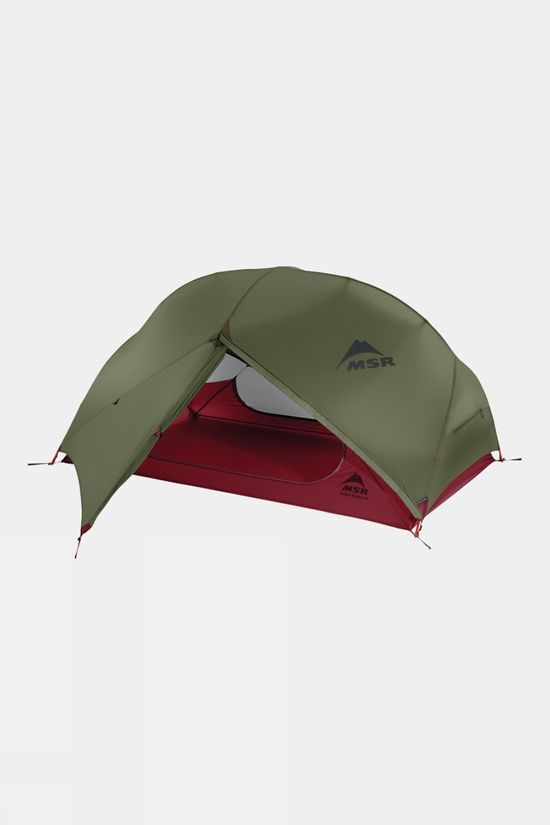
    1. MSR Hubba Hubba NX 2
    d1312362 5050 m

    The MSR Hubba Hubba NX 2 is a benchmark in the ultralight category.

    • Weight: 1.72kg
    • Capacity: 2-person
    • Setup: Freestanding, colour-coded poles
    • Colours: Typically green/grey
    • Season: 3-season

    Why it’s great:
    Reliable in wind and rain, excellent ventilation, and quick to pitch solo. Strong DAC aluminium poles add durability without excess weight.

    Best for: Backpackers who want premium quality and dependable all-weather performance.


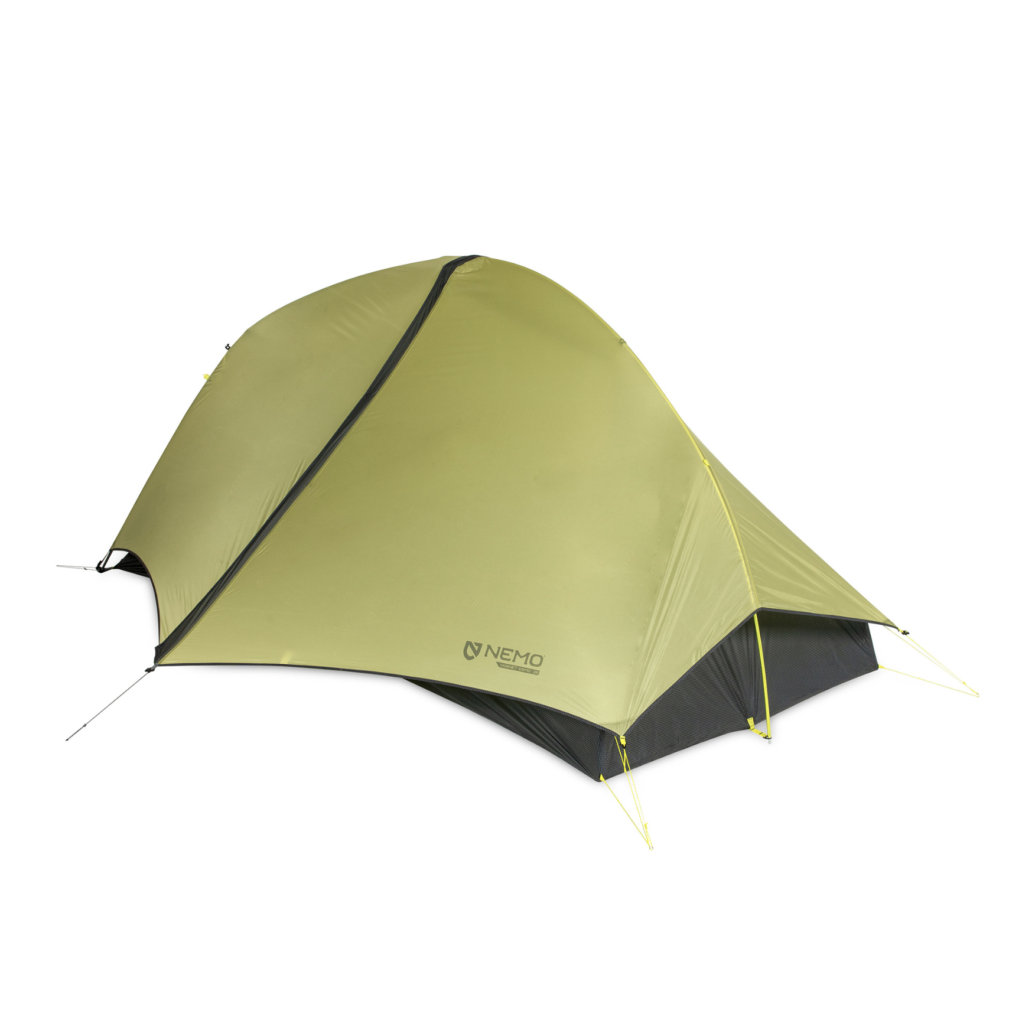
    2. NEMO Hornet OSMO 2P
    screenshot 2026 02 26 at 22.34.25

    The NEMO Hornet OSMO 2P is one of the lightest fully featured two-person tents available.

    • Weight: 1.08kg
    • Capacity: 2-person
    • Setup: Semi-freestanding
    • Colours: Muted green/grey tones
    • Season: 3-season

    Why it’s great:
    Extremely compact when packed. OSMO fabric improves water resistance and reduces sag in wet conditions.

    Best for: Long-distance hikers prioritising minimal pack weight.


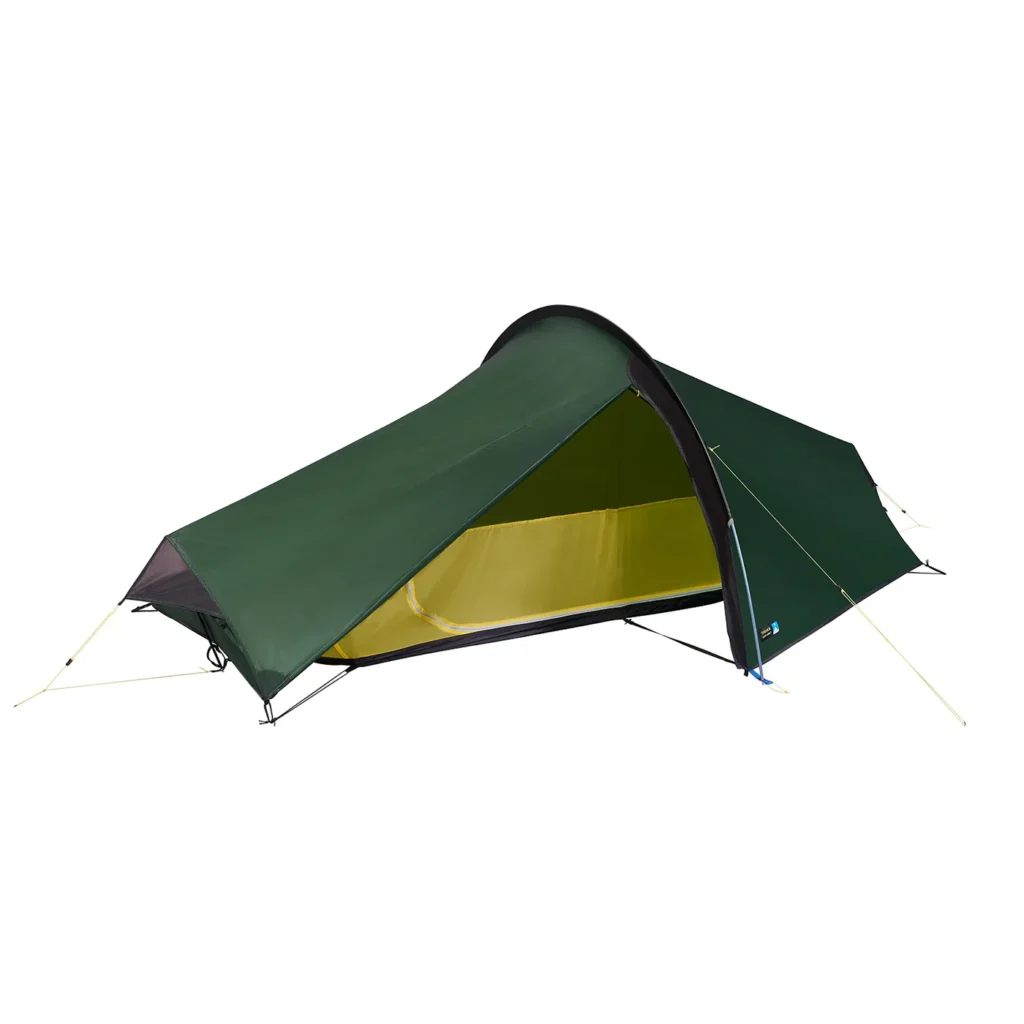
    3. Terra Nova Laser Compact 1
    laser compact 1 fly door open ss22 3000px 72dpi.png

    The Terra Nova Laser Compact 1 is a favourite among UK endurance hikers.

    • Weight: Approx. 1kg
    • Capacity: 1-person
    • Setup: A lightweight single-hoop tunnel design that pitches flysheet and inner together
    • Colours: Bright green
    • Season: 3-season

    Why it’s great:
    Extremely lightweight with excellent weather resistance for British conditions. Compact pack size makes it ideal for minimalist trekking.

    Best for: Solo wild campers and fastpackers.


    Vango F10 Helium UL 1
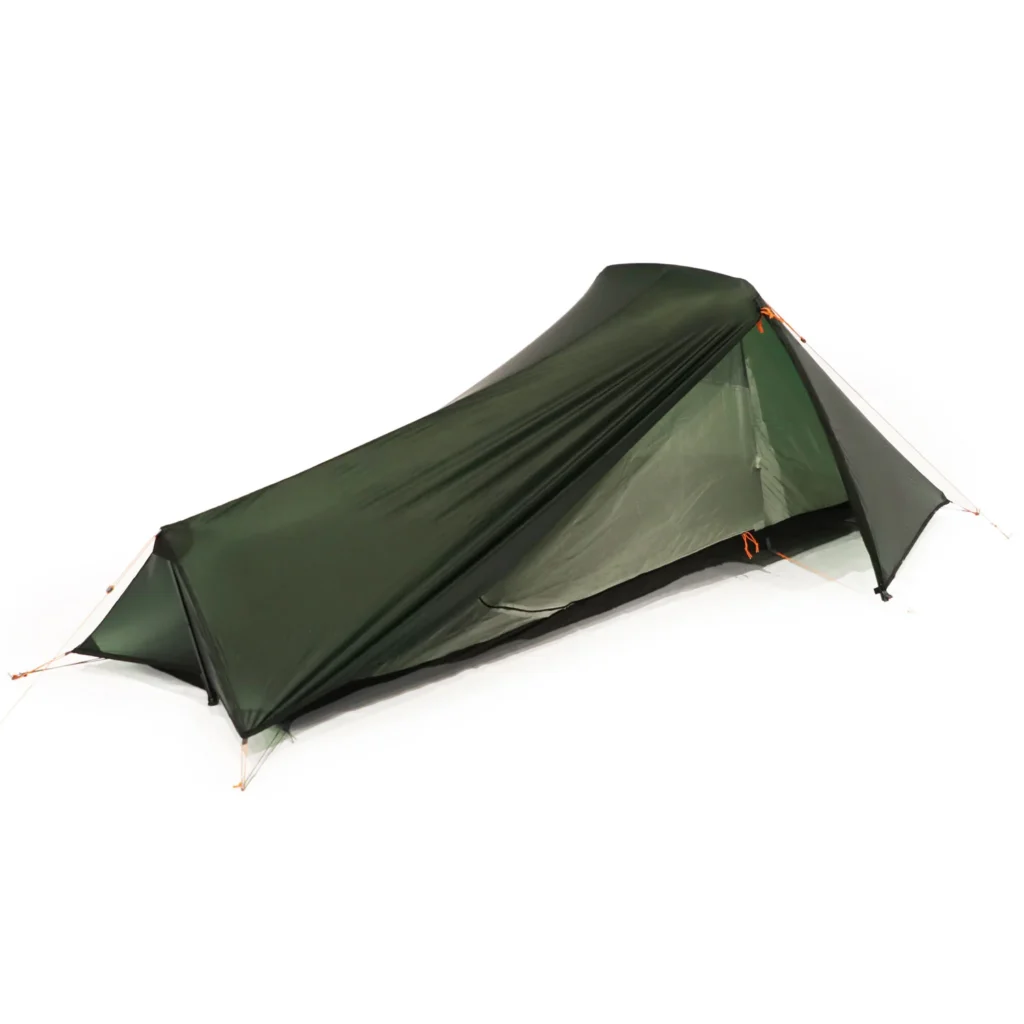
    tesneon00000001 1.jpg

    The Vango F10 Helium UL 1 strikes a strong balance between price and performance.

    • Weight: 1.2kg
    • Capacity: 1-person
    • Setup: Single pole
    • Colours: Green
    • Season: 3-season

    Why it’s great:
    Compact, quick to assemble, and built for UK weather. More affordable than premium competitors.

    Best for: Solo hikers wanting reliability without premium pricing.


    Affordable Ultralight Tent Option

    If you’re working with a tighter budget, these options offer strong value without compromising too much on weight and durability.

    Naturehike Cloud Up 2
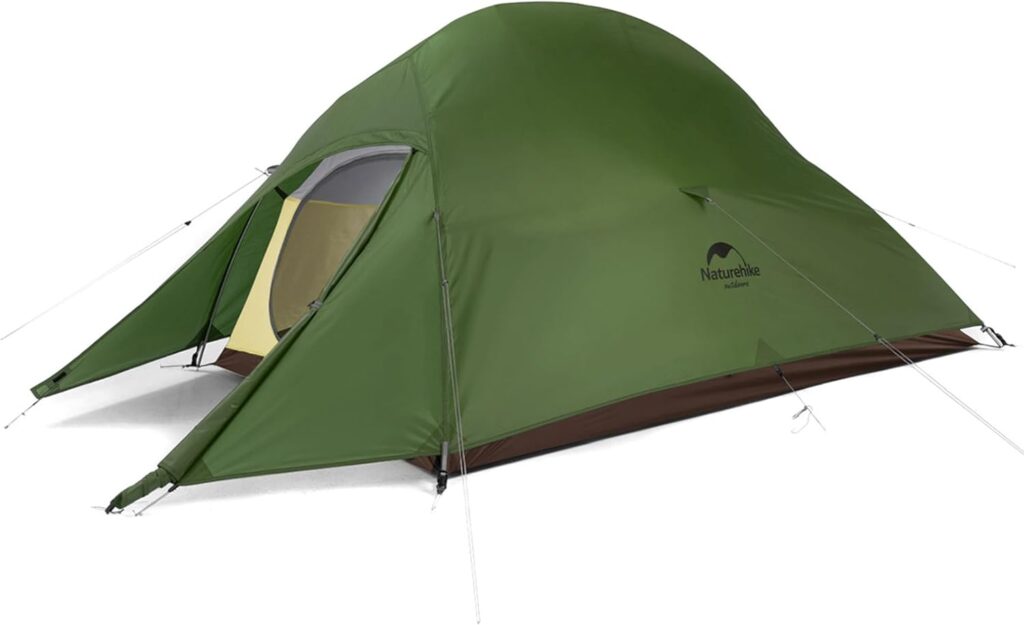
    61tm7e0qrjl. ac sl1500

    The Naturehike Cloud Up 2 has become a cult favourite.

    • Weight: 1.5kg
    • Capacity: 2-person
    • Setup: Freestanding
    • Colours: Green, grey, orange
    • Season: 3-season

    Why it’s great:
    Very affordable, easy to pitch, and surprisingly durable for the price.

    Best for: Beginners entering ultralight camping.


    Easiest Ultralight Tents to Carry & Assemble

    If simplicity is your priority:

    • Lightest overall: NEMO Hornet OSMO 2P
    • Fastest setup: MSR Hubba Hubba NX 2
    • Most compact solo option: Terra Nova Laser Compact 1
    • Best budget & easy pitch: Naturehike Cloud Up 2

    Freestanding designs are generally easier on uneven terrain, while single-hoop tents are lighter but require careful pitching.


    Colour Considerations for Off-Grid Camping

    • Green & muted tones: Blend into natural environments — ideal for discreet wild camping.
    • Bright colours: Easier to locate in poor visibility or emergencies.
    • Darker fabrics retain warmth slightly better but can feel warmer in summer sun.

    Warmth & Durability Tips

    For colder nights:

    • Pair your tent with an insulated sleeping mat (R-value 3+).
    • Use a footprint to improve ground insulation and protect the floor.
    • Choose models with lower fly cut for wind protection.

    For strength:

    • Look for DAC aluminium poles.
    • Reinforced guy points are essential in exposed areas.
    • Silnylon and OSMO fabrics resist sagging when wet.

    Final Thoughts

    The best ultralight tents balance weight, strength, ease of setup, and packability. Premium models from MSR, NEMO, and Terra Nova offer cutting-edge performance for serious adventurers, while brands like Naturehike provide excellent affordable alternatives for those building their off-grid kit.

    If you’re hiking deep into remote landscapes, investing in a reliable ultralight shelter ensures you stay protected without carrying unnecessary weight.


    Find our other gear recommendations here:
  • UK Car Hire for Holidays: What to Look For, Why It’s Worth It & Smart Tips

    UK Car Hire for Holidays: What to Look For, Why It’s Worth It & Smart Tips

    Planning UK car hire for holidays can transform your trip — giving you freedom to explore charming countryside, dramatic coastlines, and remote Scottish Highlands at your own pace. Whether you’re flying into England and heading north to the Lakes, or planning a road trip through Wales or Cornwall, choosing the right rental car is essential for comfort, safety, and staying on budget. Here’s your complete guide to making the best choice.

    Summary:

    • Is car hire for holidays right for your trip? Discover when hiring a car truly adds value
    • Choosing the right vehicle — from city-friendly compacts to 4WDs for remote UK regions
    • What you legally need to hire a car in England, including licence, age, and payment rules
    • Realistic UK car hire costs — plus insurance, deposits, and hidden extras to watch for
    • Best UK car hire companies with good reviews, fair pricing, and nationwide coverage
    • Pros and cons of hiring a car vs trains, tours, or walking-based holidays
    • Smart alternatives if car hire isn’t the best option for your UK getaway

    Why Choose UK Car Hire for Your Holiday

    Hiring a car during your UK holiday means:

    • Freedom & Flexibility: Go where you want, when you want — no timetables, no lugging bags across public transport.
    • Remote Access: Rural spots like the Scottish Highlands, Peak District valleys, or coastal lanes in Devon aren’t always well-served by public transport — a car gives you access.
    • Convenience: For families or groups, it’s often simpler to travel together than relying on trains or buses.
    • If Your Plans Change: You can adjust routes on the fly, stop at hidden gems, and enjoy scenic detours.

    However, it isn’t always the best option for everyone — more on that later.


    Choosing the Right Vehicle for Your Trip

    Different UK destinations call for different vehicles:

    Standard & Compact Cars

    Ideal for city breaks (London, Manchester), coastal drives (Cornwall), or well-paved regional touring. More fuel-efficient and cheaper.

    SUV or Estate (4×4)

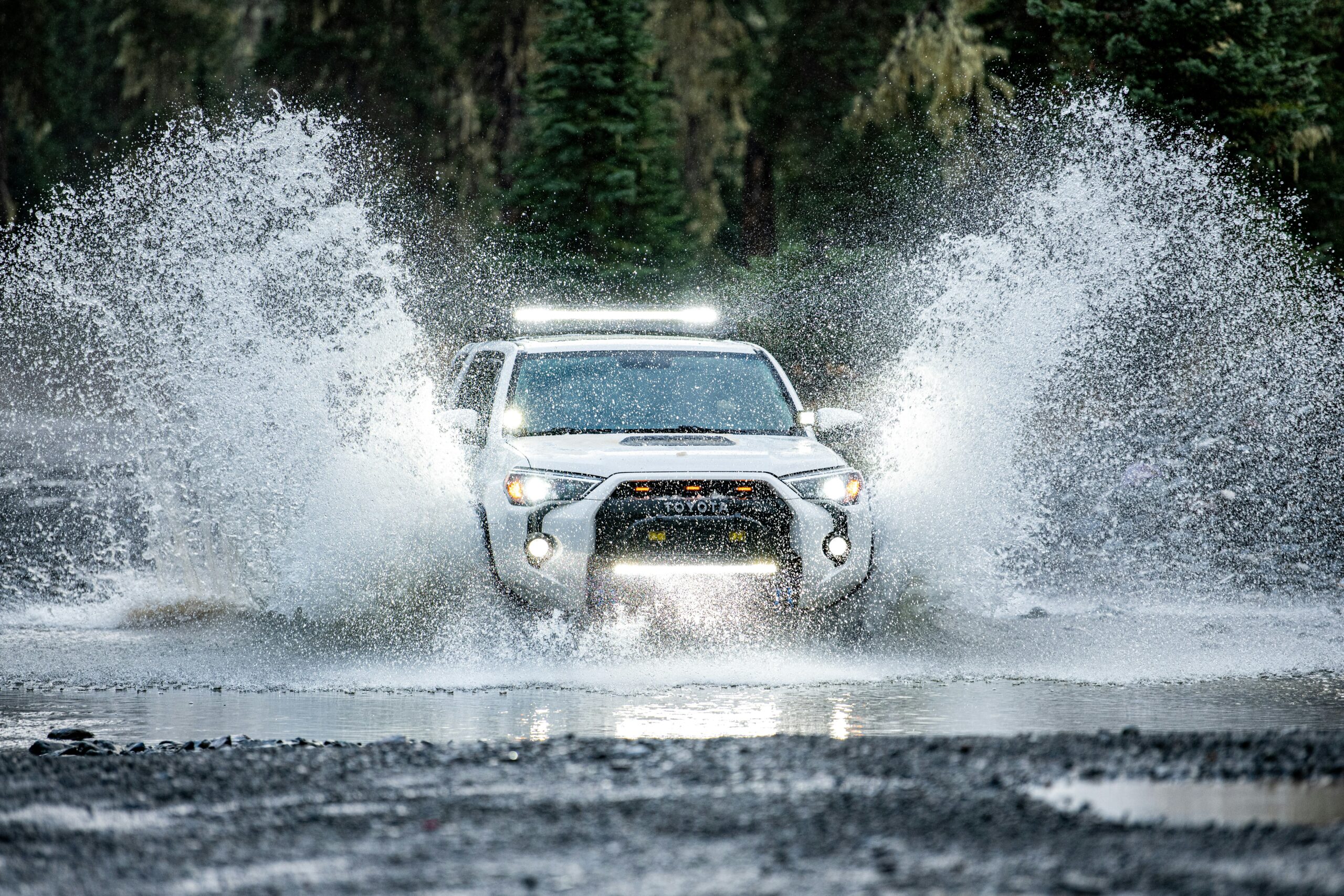
    If your trip takes you to remote rural areas, off-road farms, or Scottish tracks with variable weather, consider a 4WD or SUV — better clearance and traction for rugged lanes.

    People Carriers & Vans

    Perfect for large families, group trips, or if you have lots of luggage/equipment.

    💡 Think about luggage space, passengers, roads you’ll drive, and weather conditions when selecting the class.


    What You Must Have to Hire a Car in England

    To legally rent a car in the UK, you typically need:

    • Valid Driving Licence: A full UK or recognised international licence you’ve held for at least 1–2 years. Many companies require at least 12 months’ experience — more for larger vehicles. 
    • Minimum Age: Usually 21+, although many companies charge a “young driver surcharge” under 25. Some premium cars require you be 25+ with more experience. 
    • Credit/Debit Card: In your name, for deposit and payments. Many firms won’t accept cash and hold a security deposit on your card. 
    • Proof of Address & ID: Documentation like recent utility bills or bank statements can be requested at pick-up. 
    • Insurance: Basic insurance is included, but excess can be high — see tips below for managing this.

    👉 Always check the specific requirements with your hire company before booking.


    Realistic Costs & What to Expect

    Car hire prices in the UK vary hugely by season, location, and vehicle size. Expect:

    • Daily Rates: Compact cars start from around £30–£70+ per day outside peak season — and higher in summer or busy routes.
    • Insurance & Excess: Standard hire includes basic cover, but excess amounts can be £1,000+ unless you buy additional cover. 
    • Airport Surcharges: Hiring directly at airports can cost more due to additional fees. 
    • Extras: GPS, child seats, additional drivers, and toll passes add cost. Best to bring your own where possible. 

    💡 Tip: Booking roughly 3–4 weeks ahead often strikes the best balance between availability and price. 


    Common Pitfalls to Avoid

    • Hidden fees for fuel, mileage, or airport pick-ups. 
    • Not documenting pre-existing damage — always inspect before leaving the lot. 
    • Buying expensive insurance at the counter — third-party excess policies can be significantly cheaper. 

    Recommended UK Car Hire Companies

    Here are well-reviewed, reliable choices with sensible pricing options in the UK:

    • Enterprise Rent‑A‑Car – Strong reputation and widespread branches; often recommended by travellers for reliability. 
    • Hertz – Competitive pricing and airport coverage; good availability. 
    • Avis – Large network and varying vehicle choices.
    • Europcar – Often strong weekly pricing and unlimited mileage options. 
    • Sixt – Popular for wider vehicle selections.

    ⚠️ Be cautious with lesser-known budget drops that sometimes have poor reviews or hidden charges — always research current feedback before booking.


    When You Might Not Want a Car

    Car hire is not always the best option if:

    • You’re staying in major cities like London or Edinburgh where public transport is excellent.
    • You’re on a tight budget and most of your travel will be within central areas — walking, buses, trains might be cheaper and easier.
    • You’re booking a guided tour — it often includes transport, so you don’t need to worry about driving.

    Summary

    Hiring a car for a UK holiday gives you travel freedom and access to stunning destinations — but the right planning makes all the difference. Understand licence/age requirements, insurance, real costs, and choose a reputable company. And if a car isn’t right for your plans, trains, tours, and buses can still make your UK trip amazing.

    Please read about our new segment on UK county specific articles

  • How to Layer Clothing for British Weather

    How to Layer Clothing for British Weather

    How to layer clothing for British weather is essential knowledge for anyone spending time outdoors in the UK, where sunshine, wind, and rain can all arrive in a single day.

    Whether you’re hiking, camping, dog walking, or heading into the hills, knowing how to layer clothing properly keeps you warm, dry, and comfortable without carrying unnecessary weight.

    This guide covers layering systems for all seasons, plus practical advice on everything from footwear to hats — and what to check in the forecast before you head out.


    Why Layering Matters in British Weather

    UK weather is rarely extreme, but it is unpredictable. Wind, rain, damp air, and sudden temperature drops are more common challenges than deep snow or heatwaves. Layering allows you to:

    • Adapt quickly to changing conditions
    • Prevent overheating when moving
    • Stay warm when you stop
    • Manage rain and wind effectively
    • Stay dry from both rain and sweat

    A good layering system works year-round — you simply adjust thickness and materials depending on the season.


    The Three Core Clothing Layers

    1) Base Layer – Moisture Control

    Your base layer sits next to your skin and its main job is to keep you dry by moving sweat away.

    Look for:

    • Merino wool or synthetic fabrics
    • Quick-drying materials
    • Snug but comfortable fit

    Avoid cotton — once wet, it stays wet and chills you quickly.

    Season tips:

    • Summer: Lightweight synthetic or thin merino
    • Spring/Autumn: Medium-weight base layers
    • Winter: Heavier merino or thermal tops and leggings

    2) Mid Layer – Insulation

    This layer traps warmth and keeps you comfortable when temperatures drop.

    Common options:

    • Fleece jackets
    • Synthetic insulated jackets
    • Lightweight down jackets
    • Wool jumpers

    A fleece is often ideal for UK conditions because it stays warm when damp.

    Season tips:

    • Summer: Often not needed while moving, but useful when stopping
    • Spring/Autumn: Light fleece or insulated layer
    • Winter: Thicker fleece or insulated jacket

    3) Outer Layer – Weather Protection

    This is your shield against rain and wind.

    Look for:

    • Waterproof and windproof material
    • Breathable fabrics
    • Adjustable hood
    • Good ventilation zips
    • Durable outer fabric

    In Britain, this layer is essential all year.


    Don’t Forget Lower Body Layers

    Legs need protection too.

    Options include:

    • Walking trousers with stretch and water resistance
    • Thermal leggings in winter
    • Waterproof overtrousers in wet or windy weather
    • Convertible trousers or shorts in summer

    Avoid jeans outdoors — they get heavy and cold when wet.


    Footwear: Your Most Important Gear

    Cold or wet feet quickly ruin a day outside.

    Choose footwear based on:

    • Terrain
    • Distance
    • Season
    • Weight carried

    Options:

    • Trail shoes for summer and easy paths
    • Waterproof hiking boots for mixed weather
    • Insulated boots for winter walking
    • Breathable shoes in warmer conditions

    Wear moisture-wicking socks and consider spare socks on longer days.


    Hats, Gloves & Small Extras

    Small items often make the biggest difference.

    Hats

    • Warm hat for autumn and winter
    • Sun cap or brimmed hat for summer
    • Buff or neck gaiter for wind protection

    Gloves

    • Lightweight gloves most of the year
    • Waterproof gloves in winter rain
    • Layered glove systems for cold conditions

    Extras worth packing

    • Spare socks
    • Sunglasses
    • Sun cream even in cooler weather
    • Waterproof pack cover

    Seasonal Layering Guide

    Spring

    • Base layer + fleece + waterproof shell
    • Gloves and hat still useful
    • Waterproof footwear recommended

    Summer

    • Lightweight base layer
    • Packable fleece
    • Always carry a waterproof jacket
    • Sun protection essential

    Autumn

    • Full layering system returns
    • Waterproof trousers useful
    • Warm hat and gloves often needed

    Winter

    • Thermal base layers
    • Thick mid layer
    • Insulated jacket for stops
    • Full waterproof protection
    • Warm hat and gloves essential

    What to Check in the Forecast Before You Go

    Always check forecasts before leaving, especially in upland or coastal areas.

    Look beyond temperature:
    Key things to check:

    • Rain timing and intensity
    • Wind speed (wind chill matters)
    • Temperature changes through the day
    • Visibility and fog risk
    • Sunset time
    • Freezing levels in hills
    • Storm or weather warnings

    Conditions on hills or coastlines are often colder and windier than towns.

    I would also suggest always carrying a lightweight waterproof jacket as you can’t always trust the forecast. Plus many of you will know rain is quite likely to appear when you least expect it in the UK and once you’re wet it can be pretty miserable.


    Smart Layering Tips

    • Start slightly cool — you’ll warm up quickly.
    • Add layers when stopping, not when already cold.
    • Remove layers before overheating.
    • Keep waterproofs easily accessible.
    • Always pack one more warm layer than you think you’ll need.

    Final Thoughts

    Layering clothing properly lets you enjoy outdoor adventures all year round in Britain. With the right combination of base layers, insulation, weather protection, and accessories, you stay comfortable no matter what the weather throws at you.

    Getting layering right means fewer miserable days and more great memories outdoors.

    Read our guide on other essential gear you should pack:

  • Binoculars vs Spotting Scopes Guide: Which Is Right for You?
    Binoculars vs Spotting Scopes Guide: Which Is Right for You?
    If you’re deciding between optics for wildlife watching, birding, hiking or coastal viewing, this Binoculars vs Spotting Scopes Guide can save you money and make your outdoor experiences far more enjoyable. Both tools bring distant subjects closer, but they serve very different purposes depending on how, where, and how often you explore outdoors.

    This guide explains the differences, best uses, who each option suits, realistic budgets, and some excellent current-value recommendations.


    Quick Overview: What’s the Difference?

    FeatureBinocularsSpotting Scope
    Viewing styleTwo-eyedSingle eyepiece
    MagnificationUsually 8x–12xUsually 20x–60x
    PortabilityLightweight & wearableLarger, tripod required
    Best forWalking, hiking, wildlife encountersLong-distance observation
    Setup timeInstantSlower
    StabilityHandheldTripod-supported

    In simple terms:

    Binoculars are for mobility. Spotting scopes are for distance and detail.


    Best Uses for Binoculars

    Binoculars are the go-to choice for most outdoor enthusiasts because they are portable, quick to use, and comfortable for long viewing sessions.

    Ideal scenarios

    • Hiking and walking trails
    • Wildlife encounters on the move
    • General birdwatching
    • Travel and nature holidays
    • Coastal walks
    • Safari trips
    • Sports and outdoor events

    Because binoculars hang around your neck or sit in a pocket, they’re perfect when wildlife appears suddenly and disappears just as quickly.

    Who should choose binoculars?

    Binoculars suit:

    • Walkers and hikers
    • Casual wildlife watchers
    • Travellers wanting lightweight gear
    • Families exploring nature
    • Beginner birdwatchers
    • Anyone who dislikes carrying heavy equipment

    For most people, binoculars are the better all-round choice.


    Best Uses for Spotting Scopes

    Spotting scopes excel when viewing subjects very far away or when observing wildlife without disturbing it.

    Ideal scenarios

    • Birdwatching at wetlands or reserves
    • Watching seabirds from cliffs
    • Observing animals across valleys or lakes
    • Coastal marine wildlife viewing
    • Wildlife photography (digiscoping)
    • Viewing from hides or fixed positions

    A spotting scope lets you read ring markings on birds or identify distant species impossible to see clearly with binoculars.

    Who should choose a spotting scope?

    Spotting scopes suit:

    • Dedicated birdwatchers
    • Wildlife photographers
    • Nature reserve visitors
    • Coastal wildlife observers
    • People observing from hides or vehicles
    • Anyone regularly viewing across large open landscapes

    If you spend long periods stationary observing distant wildlife, a spotting scope becomes invaluable.


    Portability vs Power: The Real Trade-Off

    The biggest deciding factor:

    Choose binoculars if:

    • You move around a lot
    • You hike or travel light
    • Wildlife appears unpredictably
    • You want quick, easy viewing

    Choose a spotting scope if:

    • You stay in one place to observe
    • Wildlife is usually far away
    • You need detail for identification
    • You don’t mind carrying a tripod

    Many serious nature enthusiasts eventually own both.


    Realistic Budget Expectations

    Good optics are an investment. Cheap options often disappoint.

    Binocular budget guide

    • Entry level: £70–£150
    • Good mid-range: £150–£400
    • High-end: £500–£2,000+

    Spotting scope budget guide

    • Entry level kit: £250–£400
    • Solid mid-range: £400–£900
    • Premium: £1,000–£3,000+

    Remember: spotting scopes also require a stable tripod, adding £80–£300.


    Recommended Binoculars (Great Value Picks)

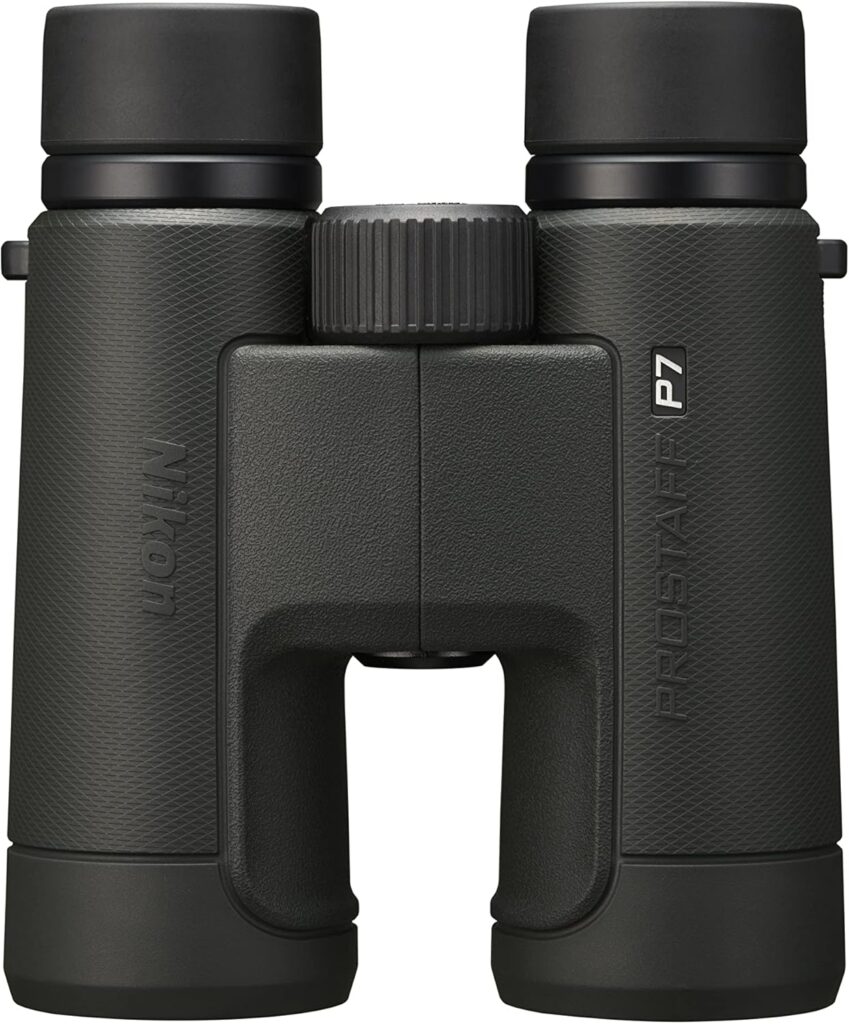
    Budget Pick — Nikon Prostaff P7 8×42 (£160–£200)

    81f6eqmnqql. ac sl1500 
 
Binoculars vs Spotting Scopes: Which Is Right for You?
    • Bright, sharp image
    • Waterproof and durable
    • Excellent for beginners
    • Lightweight for hiking

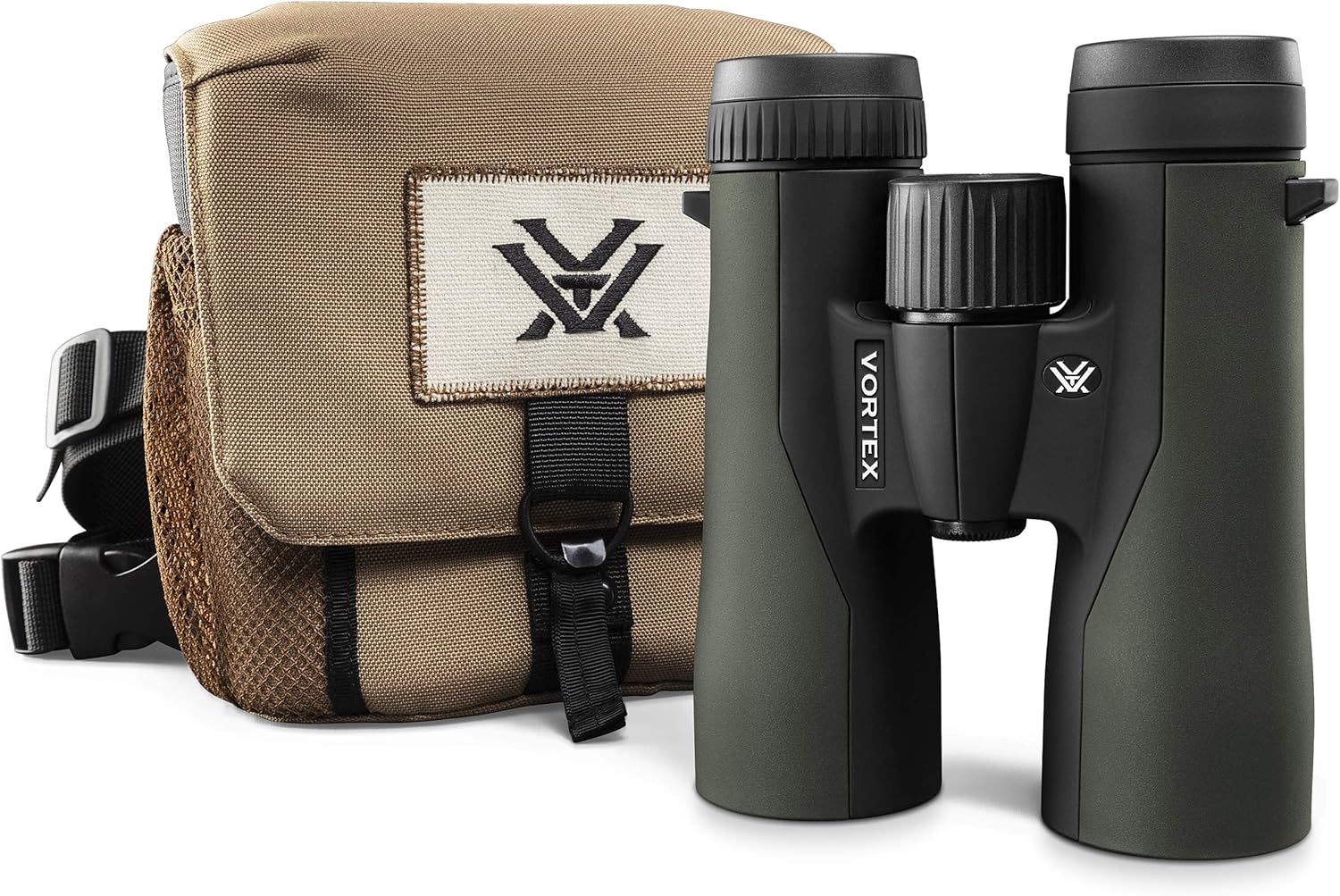
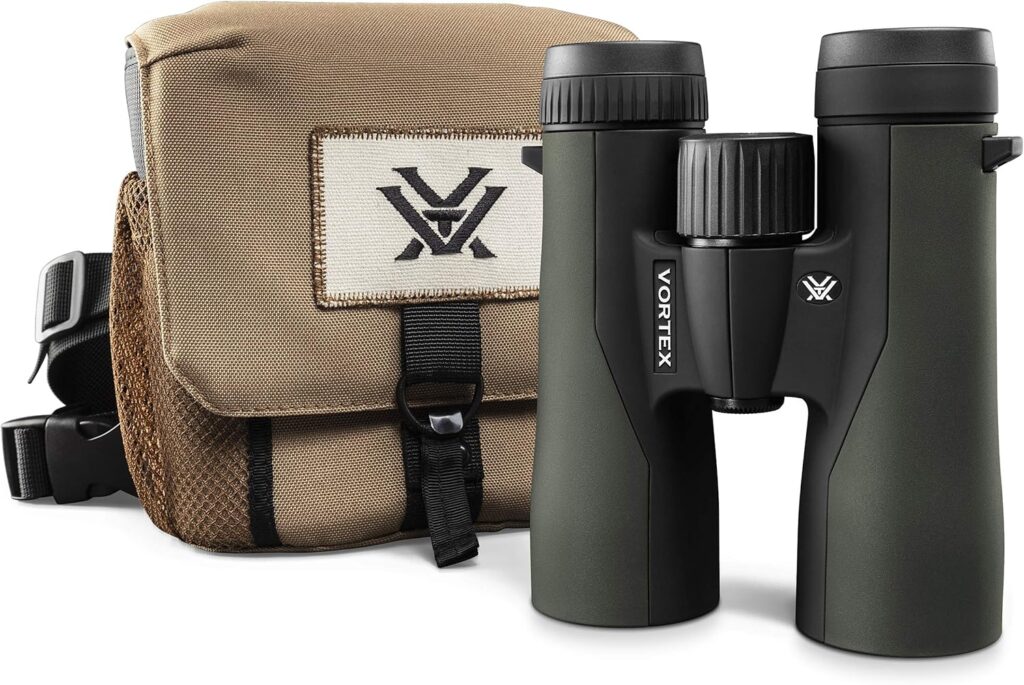
    Best Mid-Range — Vortex Diamondback HD 8×42 (£220–£280)

    91qe50c4ejl. ac sl1500 

Binoculars vs Spotting Scopes: Which Is Right for You?
    • Outstanding clarity for price
    • Rugged build
    • Popular with birders and walkers

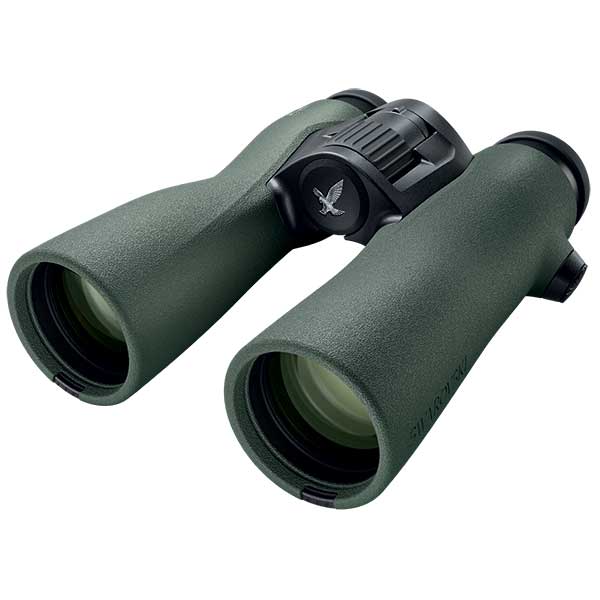
    Premium Choice — Swarovski NL Pure 8×42 (£2,000+)

    swarovskinlpure842green

Binoculars vs Spotting Scopes: Which Is Right for You?
    • Exceptional brightness and clarity
    • Extremely comfortable viewing
    • Top-tier optics for serious users

    Recommended Spotting Scopes

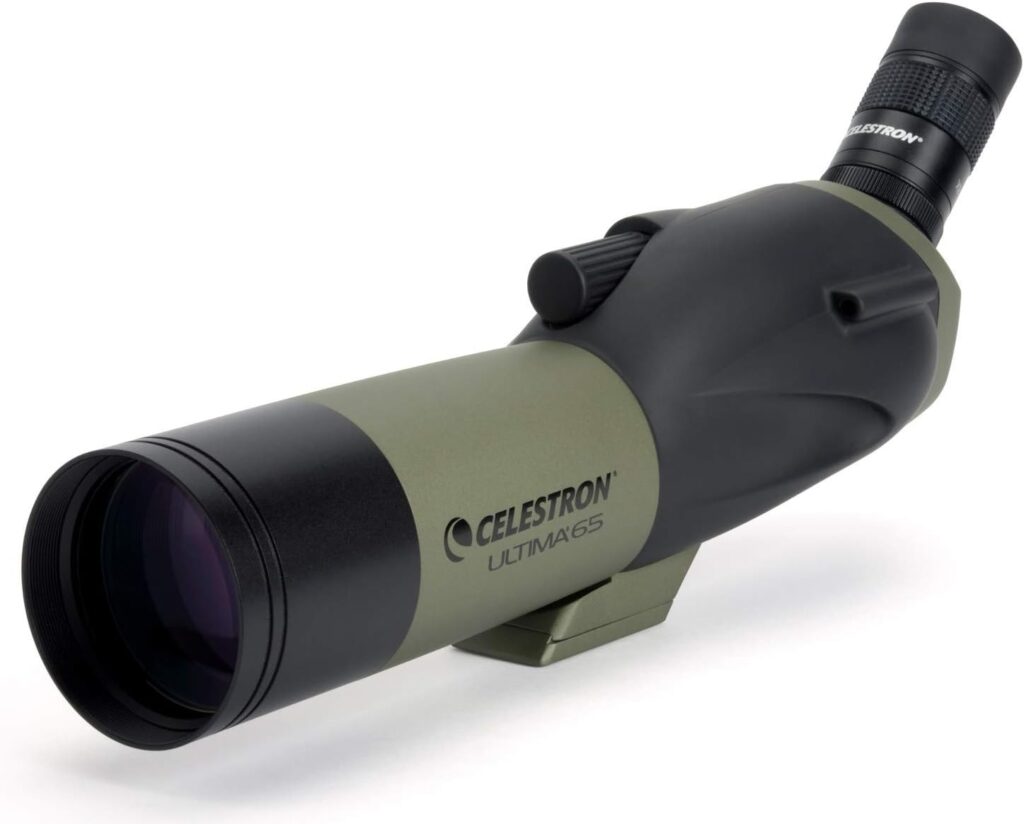
    Budget Starter — Celestron Ultima 65 (£150–£200)

    61dulxeumbl. ac sl1500 

Binoculars vs Spotting Scopes: Which Is Right for You?
    • Great beginner scope
    • Good for reserves and coastal viewing
    • Lightweight and affordable

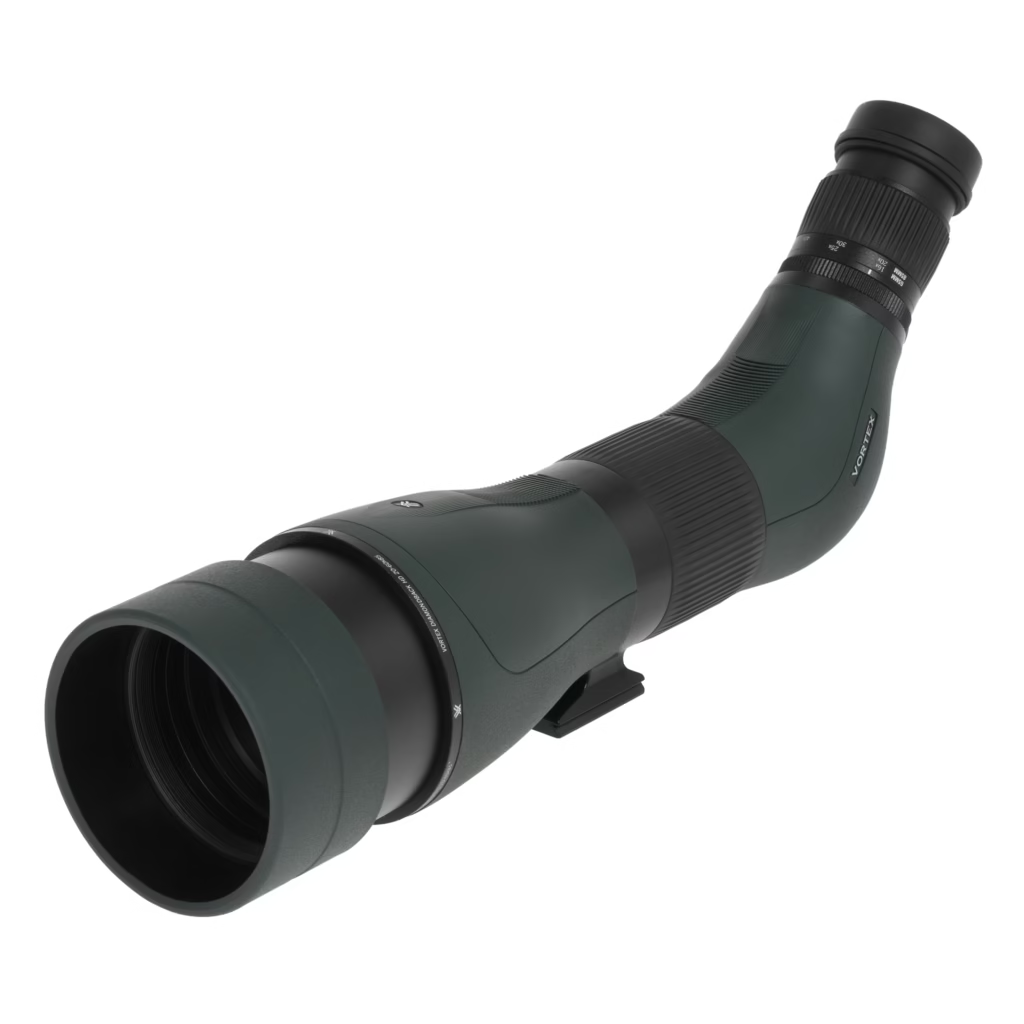
    Best Value Mid-Range — Vortex Diamondback HD 20–60×85 (£450–£600)

    1677140 luneta obserwacyjna vortex diamondback hd 20 60x85 katowa nowe glowne.jpg

Binoculars vs Spotting Scopes: Which Is Right for You?
    • Excellent performance for price
    • Bright image
    • Strong warranty
    • Popular with birdwatchers

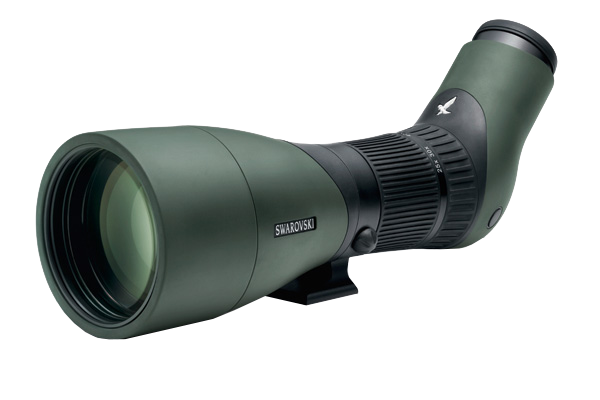
    Premium Choice — Swarovski ATS/ATX Series (£2,000+)

    swarovskiatx3070x95spottingscopekitangled

Binoculars vs Spotting Scopes: Which Is Right for You?
    • Stunning clarity
    • Exceptional low-light performance
    • Professional-level optics

    Which Should You Buy First?

    For most outdoor adventurers:

    = Buy binoculars first

    They’re useful almost everywhere and every time you go outdoors.

    Later, if you find yourself often viewing wildlife across large distances, consider adding a spotting scope.


    Final Verdict

    If your outdoor adventures involve walking, hiking, travelling, and spontaneous wildlife encounters, binoculars are the smarter purchase.

    If your goal is long-distance observation from hides, coasts, lakes or reserves, a spotting scope offers detail binoculars simply cannot match.

    For many nature lovers, the perfect setup eventually becomes:

    Binoculars for movement + spotting scope for distance.


    Please give our other gear advice articles a read:

  • Best Time to See Puffins in the UK (2026 Guide)

    Best Time to See Puffins in the UK (2026 Guide)

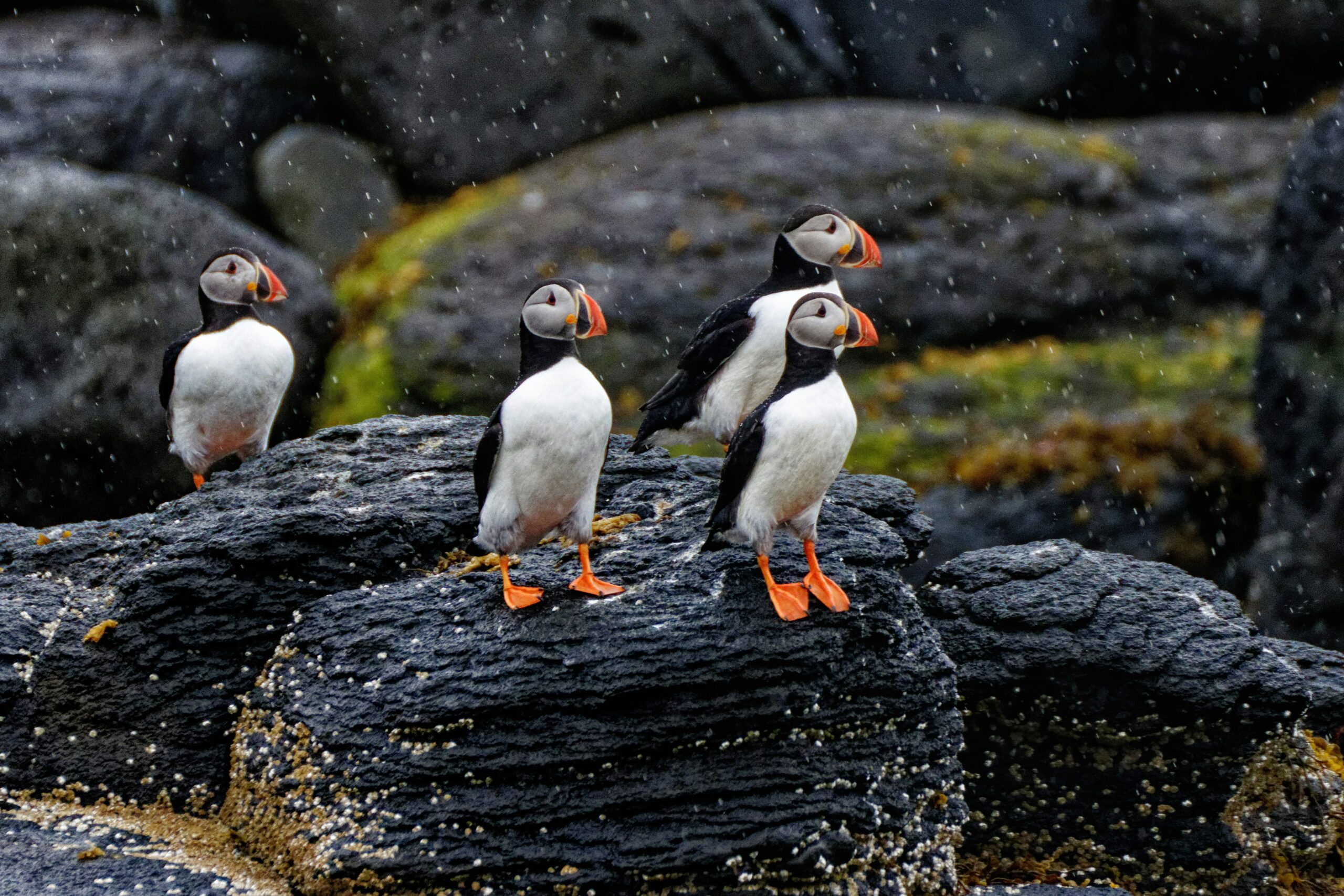
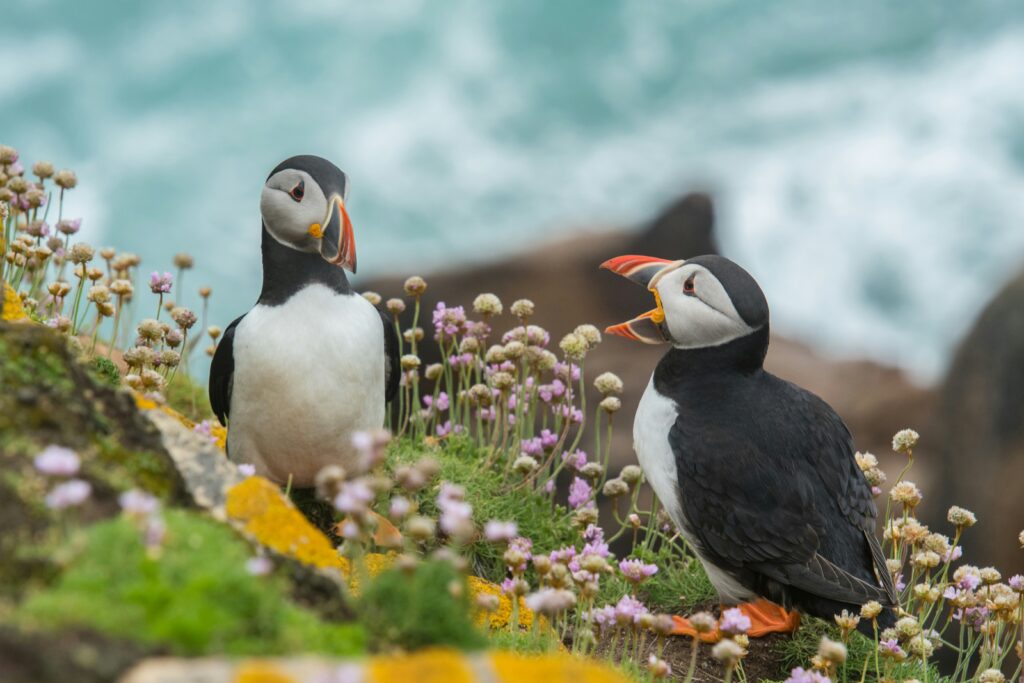
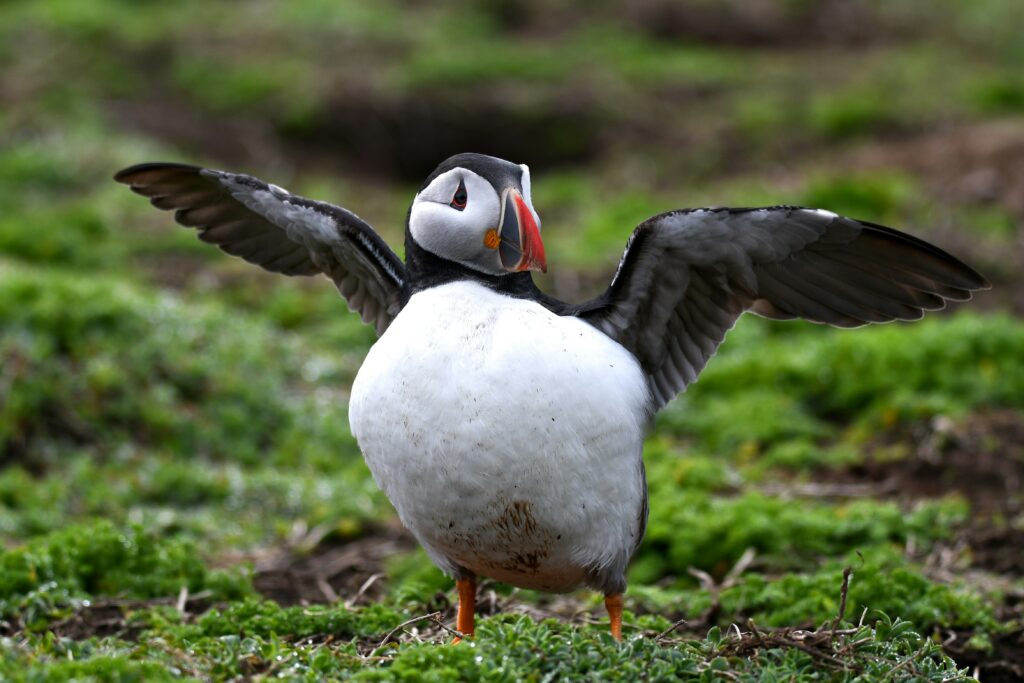
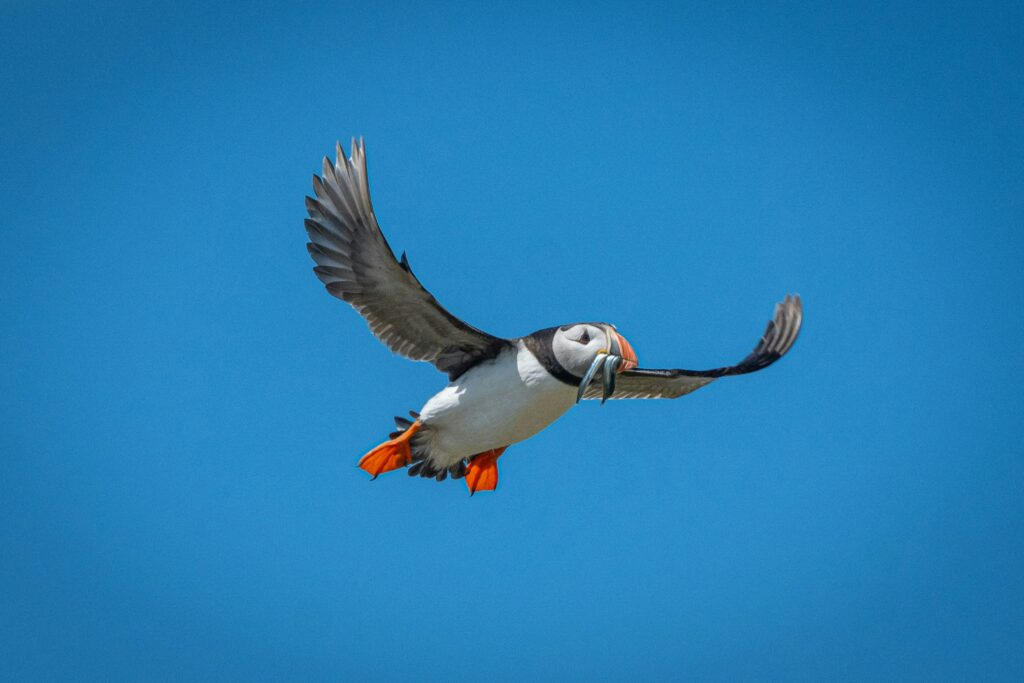
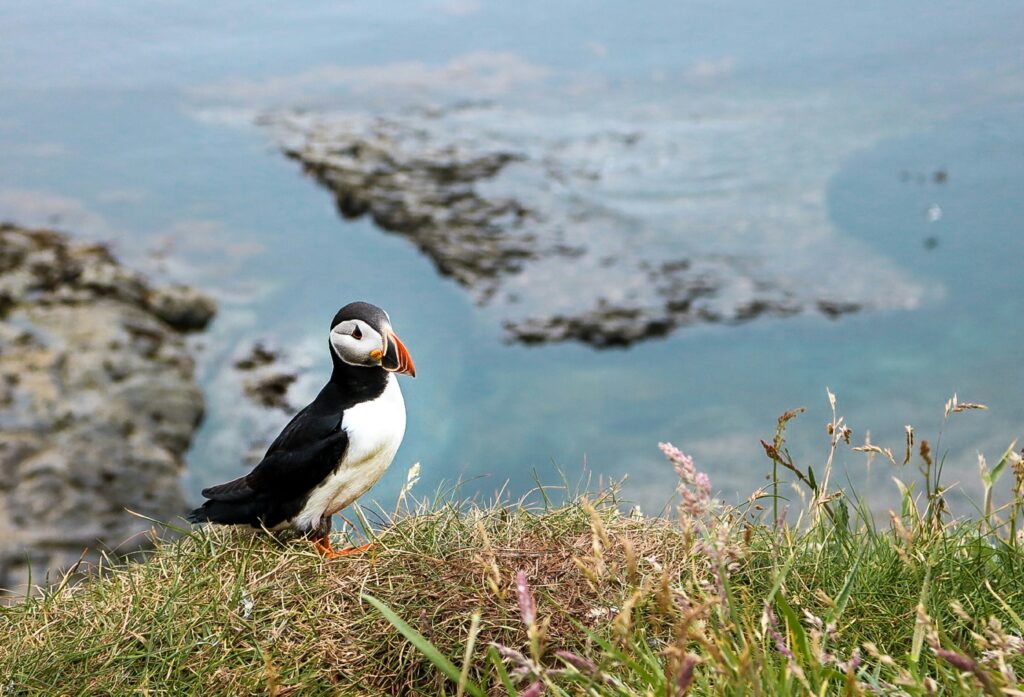
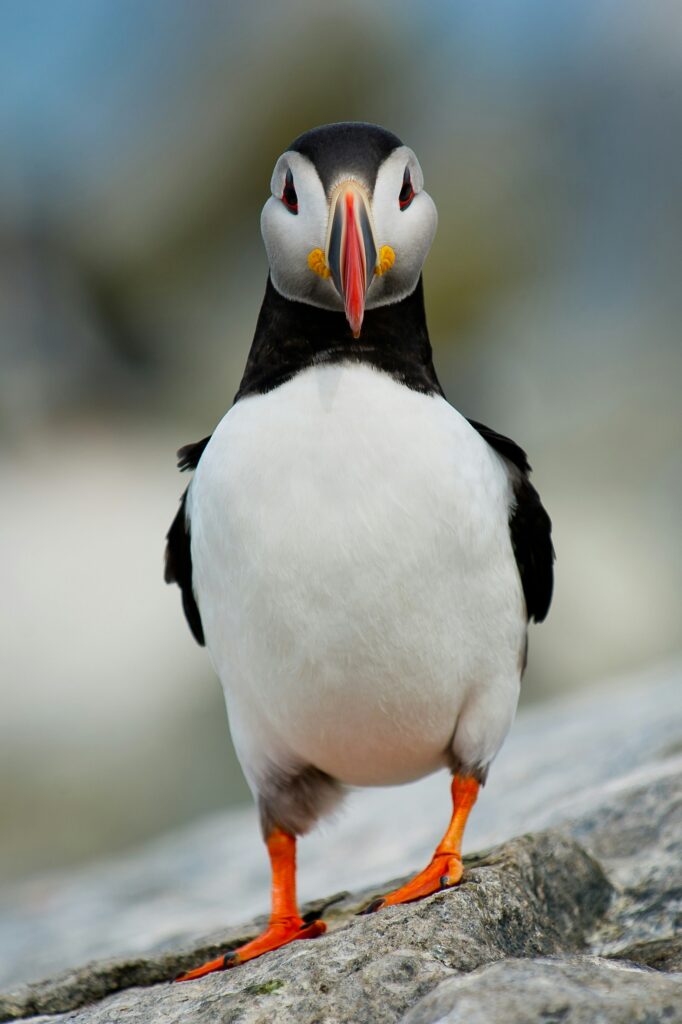
    The best time to see puffins in the UK is between late April and early August, when these charismatic seabirds return to coastal cliffs and islands to breed. During these months, puffins can be seen nesting, socialising, and flying back and forth with beaks full of fish — making it the perfect season for wildlife lovers and photographers alike.

    Outside this period, puffins spend most of their lives at sea, far from land, making sightings extremely rare.

    If seeing puffins is on your wildlife bucket list, timing your visit correctly makes all the difference. Give the following a read before planning your trip!

    Summary:

    • When to book your trip
    • Where to see puffins
    • How to improve your chances of seeing them
    wynand van poortvliet 4amyodxzaqc unsplash

Best Time to See Puffins in the UK

    Some fun facts to know before you go!

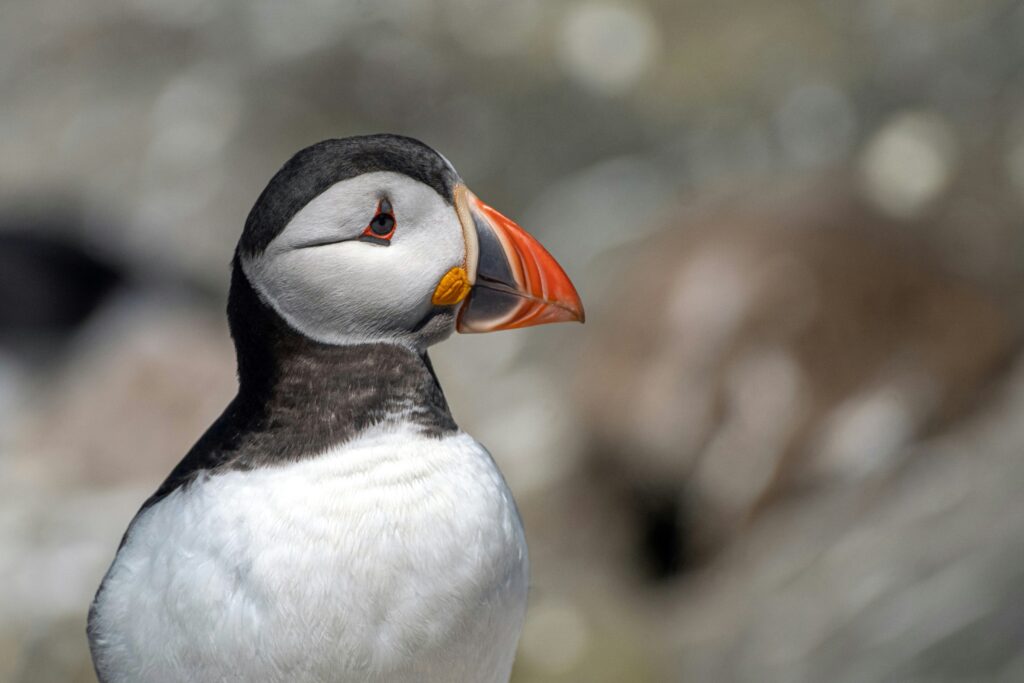
    1. Puffins are sometimes called “sea parrots.”
    Their colourful beaks and comical expressions have earned them this nickname.

    2. Puffins mate for life.
    Many pairs reunite with the same partner and often return to the same burrow every year.

    3. They spend most of their lives at sea.
    Puffins only come to land for a few months each year to breed.

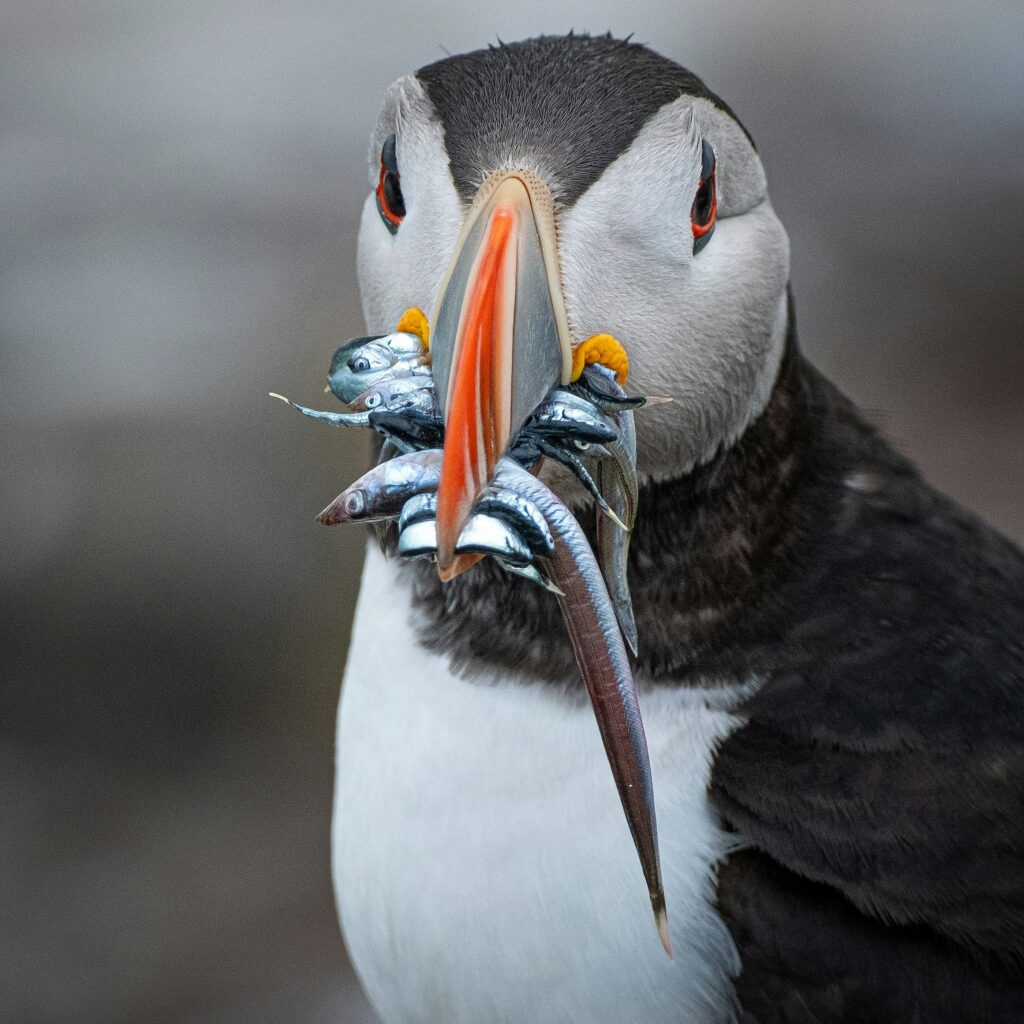
    4. Puffins can carry multiple fish at once.
    Special spines in their bill and tongue allow them to hold fish securely while catching more.

    5. They flap their wings up to 400 times per minute when flying.
    This rapid wingbeat helps them reach speeds of around 55 mph (88 km/h).

    6. Puffins are excellent divers.
    They use their wings underwater to “fly” and can dive up to 60 metres deep to catch fish.

    7. Their colourful beaks fade in the winter.
    After breeding season, the bright outer plates of their beak shed, leaving a duller winter appearance.

    8. Puffin chicks are called “pufflings.”
    One of the cutest bird names in the UK. They are grey in colour.

    9. Both parents care for the chick.
    Mother and father take turns bringing fish back to the burrow.

    10. Puffins can carry multiple fish at once. Thanks to special spines on their tongue and bill that help them grip their catch while they hunt for more.

    Puffin Season in the UK — Month by Month

    Here’s what you can expect through the season:

    Late April – May: Arrival & Nesting

    Puffins begin returning to their nesting colonies in late April. Early visitors can see birds claiming burrows and forming breeding pairs.

    • Good viewing with fewer crowds
    • Fresh spring scenery
    • Birds highly active establishing nests

    June – Early July: Peak Puffin Season

    This is the best overall time to visit. Puffin chicks hatch, and adults constantly fly in with small fish, often carrying several at once.

    • Maximum puffin numbers
    • Best photography opportunities
    • Puffins visible all day
    • Longer daylight hours

    This period offers the most reliable sightings.


    Late July – Early August: Departure Begins

    Young puffins begin leaving nests, and colonies gradually empty.

    • Still good sightings early in this period
    • Fewer tourists than peak season
    • Numbers drop quickly after mid-August

    By late August, most puffins have returned to open sea.

    Best Places to See Puffins in the UK

    Several UK locations are famous for puffin colonies:

    tim morgan pn uagvnfxk unsplash

Skomer Island Puffin

    1. Skomer Island, Wales

    One of the UK’s best puffin experiences, with thousands nesting and birds often walking close to visitors. To get to Skomer there is a boat direct from Martins Haven, Pembrokeshire. There are options of day trips or if you’re lucky you might even be able to get a spot staying on the island.

    Skomer is a beautiful island where there are numerous opportunities to see puffins up close in the peak season. The paths around the island are surrounded by burrows. If you’re patient enough you will likely be lucky enough to see one poke its head out.

    Tip* keep an eye on the time during a day visit – time flies by and you may miss the best parts of the island if you get caught up at one location.


    phil robson ypqtawxnfi4 unsplash

Farne Islands Puffin

    2. Farne Islands, Northumberland

    A cluster of 28 islands offshore, the Farne Islands are home to the likes of guillemots, razorbills, terns and kittiwakes, grey seals and 40,000 pairs of puffins. Boat trips run regularly and there are options to land.

    Top tip* Wear a hat because there are breeding terns on the island that like to swoop dive to protect their nests- nothing to be afraid of!


    phil robson oghffl2lauo unsplash

Isle of May Puffin

    3. Isle of May, Scotland

    Accessible by boat from Anstruther or North Berwick, this island offers fantastic puffin viewing close to Edinburgh. This is a beautiful little island that is protected by NatureScot rangers. The island has 45,000 breeding pairs of puffins plus also large colonies of Guillemots, Razorbills, Kittiwakes and Shags.

    I’d recommend using Anstruther Pleasure Cruises to book your trip:


    james armes hdbaddjiwf0 unsplash

Bempton Cliffs

    4. Bempton Cliffs, Yorkshire

    Great option if you prefer cliff-top viewing without needing a boat trip. This is likely the most accessible location to see puffins. With easy parking and mostly flat paths it’s welcoming to most. You have to look down the shear cliff faces below to see the birds properly. If you have a fear of heights this probably isn’t the ideal location for you.

    Bempton is also famously known for its gannet colony which is a sight to behold. The noise is also spectacular.

    It is free to visit as an RSPB member but otherwise you can pay for entry through the visitor centre by the car park.


    kate bielinski f4t3dbb4ur4 unsplash

Staffa Island Puffin

    5. Staffa & the Treshnish Isles, Scotland

    Remote but spectacular, combining puffins with dramatic volcanic scenery. The main puffin colony nestled in the the grassy hillside amongst the wildflowers. It really is idyllic. Plus the opportunity to see Whales, Dolphins, Basking Sharks, and Sea Eagles on the one hour boat ride over.  You can get to Staffa from Oban, Mull, and Iona.

    The Isle of Staffa is also home to unique geological formations, including basalt cliffs and sea stacks. These mesmerising natural structures can be found all across the island and will likely be part of your tour.

    Staffa Tours are one of the recommended companies:

    phil robson q6yky9w8era unsplash

Best Time to See Puffins in the UK

    Improve your chances of seeing Puffins

    Puffins are active throughout daylight hours, but:

    • Morning and evening offer more activity (plus softer light for photography)
    • Birds return frequently with fish during feeding periods – look out to sea and track single birds coming into land for a chance to see them with a bill full of sandeels
    • Calm weather improves visibility and boat access

    Midday visits still provide excellent sightings in peak season.


    Tips for Booking your Trip

    To maximise your chances:

    • Book island boat trips early — they sell out quickly
    • Visit between May and early July if possible
    • Bring binoculars or a zoom lens
    • Always check weather and sailing conditions beforehand
    • Respect wildlife and keep distance from burrows

    Please read our post on how to view wildlife ethically:

    Many sites restrict visitor numbers to protect colonies.


    Why Puffins Only Stay in Summer

    Puffins spend about eight months of the year at sea, only returning to land to breed. They form lifelong pairs and often return to the same burrow every year.

    Once chicks are ready, both adults and young birds head back out to sea, where they live entirely offshore until the next spring.


    ray hennessy mpw37yxc wq unsplash

    Final Thoughts

    If you want the most reliable sightings, plan your visit between May and early July, when puffin colonies are at their liveliest. With the right timing and location, you can enjoy one of the UK’s most charming wildlife experiences.

    Seeing puffins waddling across cliff tops or flying in with colourful beaks full of fish is something every nature lover should experience at least once.

    Read our post on gear you can take that may help improve your experience:

  • How to Photograph the Northern Lights (A Simple, No‑Stress Guide)

    How to Photograph the Northern Lights (A Simple, No‑Stress Guide)

    Photographing the Northern Lights (Aurora Borealis) looks intimidating — but it really doesn’t have to be. Whether you’re using an iPhoneAndroid, or a manual camera, this guide will walk you through it step by step, in plain English.

    No jargon. No complicated setups. Just what actually works to photograph the northern lights.

    Summary:

    • iPhone
    • Android
    • Manual Settings on DSLR or Mirrorless
    • Extra Tips
    • Common Mistakes

    First we suggest reading our post on how to predict the northern lights appearing


    Before You Even Touch the Camera (This Part Matters Most)

    Great aurora photos start before you press the shutter.

    1. Get Away From Light Pollution

    • Go somewhere dark (rural areas, coastlines, hills)
    • Turn off nearby lights and car headlights
    • Give your eyes 10–15 minutes to adjust to the dark

    2. Check the Weather

    • Clear skies are essential — clouds will block the aurora
    • Cold is fine, clouds are not

    3. Dress Warm & Be Patient

    • You’ll be standing still for long periods
    • Gloves, hat, thermal layers = happy photographer

    Photographing the Northern Lights on an iPhone

    Modern iPhones are surprisingly good at aurora photography.

    What You Need

    • An iPhone with Night Mode (iPhone 11 and newer)
    • small tripod (strongly recommended)

    Simple iPhone Settings

    1. Open the Camera app
    2. Switch to Photo mode
    3. Make sure Night Mode (moon icon) is ON
    4. If using a tripod, Night Mode may auto‑extend to 10–30 seconds
    5. Tap the sky to focus, then slide exposure slightly down if the lights look too bright

    Extra Tips

    • Use the timer (3–10 seconds) to avoid shaking the phone
    • Don’t zoom — zooming reduces image quality
    • If the aurora is faint, your phone may see more than your eyes

    Photographing the Northern Lights on Android

    Many Android phones also have excellent night photography — especially Samsung, Google Pixel, and newer models.

    What You Need

    • A phone with Night Mode / Astro Mode / Pro Mode
    • A tripod or stable surface

    Simple Android Settings

    1. Open the Camera app
    2. Select Night Mode or Astro Mode
    3. Keep the phone completely still
    4. Let the phone finish processing (this can take a few seconds)

    If You Have Pro Mode

    • ISO: 800–1600
    • Shutter speed: 10–20 seconds
    • Focus: Manual → Infinity (∞)

    Photographing the Northern Lights with a Manual Camera

    This is where you get the most control — but it’s still simple once you know the basics.

    What You Need

    • Camera with manual mode (M)
    • Wide‑angle lens (14–24mm is ideal)
    • Tripod (non‑negotiable)
    • Spare batteries (cold drains them fast)

    Easy Starter Camera Settings

    Use this as your baseline:

    • Mode: Manual (M)
    • Aperture: f/2 – f/2.8 (or as wide as your lens allows)
    • ISO: 800–1600
    • Shutter speed: 5–15 seconds
    • Focus: Manual focus → Infinity (∞)

    Take a photo, check it, then adjust:

    • Too dark? Increase ISO or shutter time
    • Too bright or blurry? Shorten shutter time

    Important Focus Tip

    Autofocus usually does not work in the dark.

    • Switch to manual focus
    • Focus on a bright star or distant light
    • Tape the focus ring if needed

    Advanced Tip

    If You Want More Control Set Kelvin (K) white balance manually:

    • 3500K–4000K → Most natural greens and purples
    • 3000K → Cooler, more blue night sky
    • 4500K → Warmer tones, slightly more yellow/green

    Best all-round starting point:
    – 3800K

    Take one shot, check it, then adjust slightly if needed.


    Important Tip (This Matters More Than WB)

    • Always shoot in RAW, not JPEG
    • White balance can be fully adjusted later in editing
    • Exposure and focus matter far more than WB in the field

    Composition Tip: Making Your Photos Look Amazing

    A good photo isn’t just about the sky.

    Add a Foreground

    • Trees
    • Mountains
    • A lake or reflection
    • A person for scale

    This gives your photo depth and makes it more interesting.

    Shoot Vertical & Horizontal

    • Vertical shots work great for tall aurora curtains
    • Horizontal works better for wide displays

    Common Mistakes (And How to Avoid Them)

    ❌ Photos look blurry → Use a tripod and timer

    ❌ Aurora looks grey or dull → Increase ISO or exposure time

    ❌ Everything is out of focus → Manual focus to infinity

    ❌ Too much noise (grainy photo) → Lower ISO and slightly increase shutter time

    Editing (Keep It Light)

    You don’t need heavy editing.

    Simple tweaks:

    • Slightly increase contrast
    • Gently boost clarity or vibrance
    • Avoid over‑saturating — natural looks best

    Apps like Lightroom or your phone’s built‑in editor work perfectly.

    Final Thoughts

    The Northern Lights are unpredictable — and that’s part of the magic.

    Don’t stress about perfect settings. Some of the best aurora photos come from:

    • Being patient
    • Experimenting
    • Enjoying the moment, not just the camera

    Once again I would recommend following Will Photography for expert knowledge on when to expect a show

    If your photo doesn’t turn out perfect, don’t worry — you still witnessed something unforgettable.

    Happy aurora hunting ✨

  • How to Adventure Safely During Short Winter Days

    How to Adventure Safely During Short Winter Days

    How to Adventure Safely During Short Winter Days : Short winter days change the rhythm of outdoor adventures. The light disappears faster, the weather can turn quickly, and plans that felt relaxed in summer suddenly feel rushed.

    But shorter daylight doesn’t mean staying indoors — it just means planning a little smarter. With a few simple habits, winter adventures can feel just as enjoyable, without the pressure or unnecessary risk.

    This guide focuses on practical ways to stay confident, un-rushed, and comfortable when daylight is limited.

    Summary:

    • Why short winter days affect outdoor safety and trip planning
    • Common winter adventure mistakes caused by limited daylight
    • How to plan winter hikes and outdoor trips around daylight hours
    • The importance of setting a safe turnaround time in winter
    • Essential winter gear for low light and cold conditions
    • Navigation tips for hiking and exploring as daylight fades
    • Managing fatigue, decision-making, and time pressure on short winter days

    Why Short Daylight Changes Everything

    In winter, darkness arrives earlier than most people expect. Even on clear days, the light can fade fast — especially in valleys, forests, or mountainous terrain.

    At the same time:

    • Weather is more changeable
    • Temperatures drop quickly after sunset
    • Navigation becomes harder as contrast and depth disappear

    The key thing to remember is this: short daylight doesn’t reduce what you can enjoy — it just changes how you plan.


    The Biggest Risks People Underestimate

    Most winter issues don’t come from extreme conditions. They come from small decisions stacking up late in the day.

    Commonly underestimated risks include:

    • Losing daylight faster than expected
    • Navigating in fading or flat light
    • Sudden cold after the sun drops
    • Fatigue from rushing to “beat the dark”
    • Poor decisions made when tired or under time pressure

    The biggest pattern?
    Problems often start when people try to squeeze in “just a bit more.”


    Plan Around Daylight, Not Distance

    One of the most useful mindset shifts for winter adventures is planning around time, not miles or kilometres.

    Instead of asking:

    “How far can I go?”

    Ask:

    “How much daylight do I have to enjoy this comfortably?”

    Practical ways to do this:

    • Start earlier than you think you need to
    • Treat daylight hours as fixed boundaries
    • Choose routes with:
      • Clear paths
      • Easy escape options
      • Familiar or well-marked terrain

    A simple rule that works well:
    Plan for about half the distance you’d normally do — and enjoy it properly.

    Less rushing often means better views, more breaks, and a far better experience overall.


    Build in a Non-Negotiable Turnaround Time

    A turnaround time is one of the simplest and most effective safety tools — and it’s based on time, not progress.

    Decide it before you set off, and stick to it.

    For example:

    • If darkness falls at 4:30pm
    • Plan to be heading back by 3:00pm

    Even if:

    • The summit is “just ahead”
    • The viewpoint is “around the corner”

    Turning around early isn’t failure — it’s good judgement. Winter adventures reward consistency far more than last-minute pushes.


    Dress & Pack for Darkness (Not Just Cold)

    It’s easy to pack for the conditions at the start of the day and forget how different things feel once the sun disappears.

    Think about packing for the moment the light fades, not just when it’s shining.

    Key items that make a real difference:

    • A headtorch (with spare batteries)
    • An insulating layer for stops
    • A waterproof outer layer
    • A fully charged phone with offline maps
    • An emergency snack (great for warmth and morale)
    • Extra safety: GPS

    These aren’t “just in case” items — they’re what keep the day feeling calm instead of rushed.

    Specific Gear Recommendations:

    Headtorch : Victoper Head Torch (Upgrade Design), Zoomable Head Tools with 4 Modes and Red Light

    • Highly recommended with good battery life, strong lights and red light is extra bonus for viewing nocturnal wildlife
    • Affordable Price

    GPS : Inreach Mini 2 Satellite Communicator

    – It comes at a cost but ultimately could be a lifesaver. This GPS has offline maps, satellite messaging and an SOS feature


    Navigation When Light Fades

    Navigation becomes more mentally demanding in low light. Paths look different, landmarks disappear, and distances often feel longer than they really are.

    Helpful habits:

    • Stick to familiar routes when daylight is short
    • Use trail apps with offline maps downloaded
    • Drop waypoints for car parks or key junctions
    • Avoid complex navigation near the end of the day

    A good planning check:
    If you wouldn’t want to navigate it in the dark, don’t plan to finish there.


    The Mental Side of Short-Day Adventures

    This is the part many people don’t talk about.

    Short daylight creates subtle pressure:

    • A feeling of being “behind schedule”
    • Rushing decisions late in the day
    • Mental fatigue affecting judgement

    Knowing when to call it early is a skill, not a weakness. Ending a trip while you still feel comfortable often means:

    • Better memories
    • More energy
    • Confidence to head out again

    Winter adventures aren’t about pushing limits — they’re about moving well within them and enjoying every hour of light you get.


    Final Thought

    Short winter days don’t have to mean shorter adventures.

    With realistic planning, firm time boundaries, and a focus on daylight rather than distance, winter trips can feel calmer, more intentional, and deeply rewarding.

    Plan smart, move unhurried, and let the season set the pace — not the clock.

    Read our post on the essential gear for your adventure:

  • Make the most of the Northern Lights season!

    Make the most of the Northern Lights season!

    Right now we are in a peak period of auroral activity. In this post I give you tips and advice on how to maximise your own chances of seeing them!

    Now first off I’m not an auroral physicist but I have been photographing the Northern Lights in England for the past 3 years and I have done a lot of research to maximise my chances.

    Summary:

    • What are the environmental conditions needed you need to look out for?
    • Apps
    • Location Tips

    I don’t want to make this too complex to understand but these are the general things to understand to help you.

    What Conditions Do You Need to See the Northern Lights?

    Seeing the Northern Lights (Aurora Borealis) isn’t just about luck — it depends on a combination of solar activity, Earth’s magnetic field, and local viewing conditions. Understanding these factors can greatly increase your chances of spotting them.

    When Are the Northern Lights Visible?

    The Northern Lights are most commonly seen between September and March, when nights are long and skies are dark. Peak viewing hours are usually between 10pm and 2am, though auroras can appear earlier or later during strong activity.

    What Causes the Northern Lights?

    Auroras are created when solar wind — charged particles released by the Sun — travels toward Earth. When these particles collide with gases in our atmosphere, they release energy in the form of glowing light.

    Earth’s magnetic field funnels these particles toward the polar regions, which is why the Northern Lights are most often seen in places like Norway, Iceland, Finland, northern Canada, and Alaska.

    Understanding KP Index and Magnetometers

    Many aurora forecasts refer to the KP index, which measures global geomagnetic activity on a scale from 0 to 9. While a high KP value can increase the chance of seeing the Northern Lights, it does not guarantee visibility.

    This is because:

    • KP is a global average and doesn’t show local activity
    • Clouds, light pollution, and timing still matter
    • Some strong solar storms move too quickly or unevenly to create visible aurora in your area

    For more precise forecasting, experienced aurora watchers also check magnetometers. These measure real-time disturbances in Earth’s magnetic field and can indicate when auroral activity is actively occurring — often giving better short-term clues than KP alone.

    Other Essential Viewing Conditions

    Even with strong solar activity, you’ll need:

    • Clear, dark skies – check moon phase
    • Minimal light pollution
    • A northern-facing view (in the Northern Hemisphere)
    • Patience — auroras can fade and return quickly

    Tip* – A high KP index is helpful, but the best aurora sightings happen when solar activity, magnetometer spikes, weather, and location all align. Checking multiple forecasts and being flexible with timing gives you the best chance of success.

    Northern Lights Forecast Apps

    Aurora forecast apps can look overwhelming at first, but once you know what each measurement means, it’s much easier to judge whether the Northern Lights are likely to appear. Here are the key indicators to look for — and what actually matters.

    KP Index (Geomagnetic Activity)

    The KP index measures global geomagnetic activity on a scale from 0 to 9.

    • KP 3–4: Aurora possible at high latitudes
    • KP 5+: Strong activity, aurora may be visible further south

    Important: A high KP doesn’t guarantee visible aurora. It shows potential, not real-time activity, and doesn’t account for cloud cover or local magnetic conditions.

    Bz (Magnetic Field Direction)

    The Bz value is one of the most important — and most misunderstood — indicators.

    • Negative Bz (southward) = GOOD for auroras
    • Positive Bz (northward) = Poor conditions

    A sustained Bz of -5 nT or lower allows solar particles to enter Earth’s magnetic field more easily, increasing auroral strength. Short negative spikes may not be enough — duration matters.

    Solar Wind Speed

    Solar wind speed measures how fast charged particles are travelling from the Sun toward Earth.

    • Below 400 km/s: Weak activity
    • 500–700 km/s: Strong aurora potential
    • 700+ km/s: Very active conditions

    Higher speeds mean more energy entering Earth’s magnetosphere, which often leads to brighter, more dynamic auroras.

    Solar Wind Density

    Density refers to how many particles are packed into the solar wind.

    • Higher density = more fuel for auroras
    • Sudden density increases can trigger auroral activity

    Density works best when combined with high speed and negative Bz. On its own, it’s not a guarantee.

    Magnetic Field Strength (Bt)

    Some apps show Bt, the total strength of the interplanetary magnetic field.

    • Stronger Bt (above ~10 nT) = more potential energy
    • Works best when paired with negative Bz

    Think of Bt as the amount of power available, while Bz controls whether that power can enter Earth’s system.

    Magnetometer Readings (Local Activity)

    Magnetometers show real-time disturbances in Earth’s magnetic field at specific locations.

    • Sharp spikes or sustained movement = aurora is happening now
    • Often more reliable than KP for short-term viewing decisions

    If your app includes a local magnetometer, this is one of the best tools for deciding whether to go outside immediately.

    Moon Phase (Often Overlooked)

    Even strong auroras can be washed out by moonlight.

    • New moon or crescent moon = best visibility
    • Full moon = dim auroras may be harder to see

    Bright auroras can still break through moonlight, but darker skies always improve contrast — especially for photography.

    Final Tip: Look for Alignment, Not One Number

    The best Northern Lights displays happen when multiple factors align:

    • Negative Bz
    • High solar wind speed
    • Increased density
    • Rising magnetometer activity
    • Clear, dark skies with little moonlight

    Rather than chasing a single KP number, successful aurora hunters learn to read the full picture.

    Recommended Apps:

    • SpaceWeather
    • Glendale App
    • AuroraWatch UK
    • Hello Aurora (shows if anyone has reported a sighting in the area)

    Some apps allow notifications but my best advice would be to follow Wil Photography on Facebook

    He is very knowledgeable and has helped thousands of people see the northern lights on their doorstep. He also has a few channels that he sends messages on when he thinks there’s a chance of seeing the aurora.

    Location Tips: Where to Look for the Northern Lights

    Even during strong solar activity, where you are and which direction you look can determine whether you see the Northern Lights at all. Location, latitude, and sky conditions matter just as much as the forecast numbers.

    Where to Look in the Sky

    In the Northern Hemisphere, the Northern Lights usually appear:

    • Low on the northern horizon during moderate activity
    • Overhead or across the whole sky during strong geomagnetic storms

    If you’re near the edge of the auroral zone (such as Scotland, northern England, or parts of northern Europe), you may only see a faint glow or pillars to the north, especially during weaker events.

    How Bz Affects Where Auroras Are Visible

    The lower (more negative) the Bz, the further south auroras can be seen, but with an important caveat.

    • Slightly negative Bz (-2 to -5 nT):
      Aurora mostly confined to high latitudes near the Arctic Circle.
    • Strongly negative Bz (-5 to -10 nT or lower):
      More energy enters Earth’s magnetosphere, expanding the auroral oval and allowing auroras to be visible much further south than usual.
    • Positive Bz:
      Even with high solar wind speed, auroras may remain weak or confined far north.

    Key point: Bz controls how open Earth’s magnetic field is. A strongly negative Bz allows solar particles to penetrate deeper, pushing auroral activity toward lower latitudes.

    However, Bz alone isn’t enough — solar wind speed, density, and duration must also support it.

    Viewing by Latitude

    • High latitudes (e.g. Norway, Iceland, Alaska):
      Auroras are common; even modest conditions can produce visible displays.
    • Mid-latitudes (e.g. UK, northern Europe, northern US):
      Require stronger storms, sustained negative Bz, and good timing.
    • Low latitudes:
      Rare, only during extreme geomagnetic events with prolonged negative Bz and high solar wind speeds.

    Dark Sky Tips (Crucial for Success)

    No forecast can overcome poor sky conditions. For the best chance:

    • Get away from city lights — even small towns can reduce visibility
    • Avoid streetlights, car headlights, and nearby buildings
    • Choose elevated viewpoints with a clear northern horizon
    • Let your eyes dark-adapt for 20–30 minutes
    • Use a red light or dim screen mode to preserve night vision

    Final Location Tip

    Strong auroras don’t always look dramatic at first. At lower latitudes they can appear as a pale grey or green glow before becoming brighter — especially noticeable through a camera.

    Being in the right location, facing the right direction, under truly dark skies often makes the difference between seeing nothing and witnessing something unforgettable.

    Oh and remember to wrap up warm!!

    My next post will be on how to photograph the northern lights – keep your eyes peeled

  • How to choose the Perfect Walking Boots for Countryside Adventures

    How to choose the Perfect Walking Boots for Countryside Adventures

    A good pair of walking boots can make or break your countryside adventure. Whether you’re walking through muddy farmland, wandering woodland trails, or exploring rugged scenic routes, the right footwear keeps you comfortable, supported, and confident every step of the way.

    This guide breaks down how to choose the best walking boots for beginners, explains the different types of walking boots, and includes practical comfort and durability tips — plus top product recommendations for both women and men.

    Summary:

    • Why choosing the right hiking boots matters
    • Top pick recommendations for men and women
    • Comfort and durability tips

    Why Choosing the Right Hiking Boots Matters

    Countryside terrain is unpredictable — one minute it’s dry and open, the next you’re navigating wet grass, gravel, or uneven ground. Regular trainers simply can’t match the traction, ankle support, or waterproof protection you get from a good pair of hiking boots.

    Good hiking boots help you:

    • Stay stable on uneven trails
    • Protect feet from impact and weather
    • Maintain comfort over long distances
    • Reduce the risk of blisters and fatigue

    Best Hiking Boots for Beginners — Top Picks

    Here are well-reviewed walking boots covering budget, mid-range, and performance categories. These make great choices whether you’re just getting into countryside hiking or want reliable footwear for regular use.


    🥾 Top Men’s Hiking Boots

    Best Overall for Countryside Adventures

    terragtxbrown new.jpg
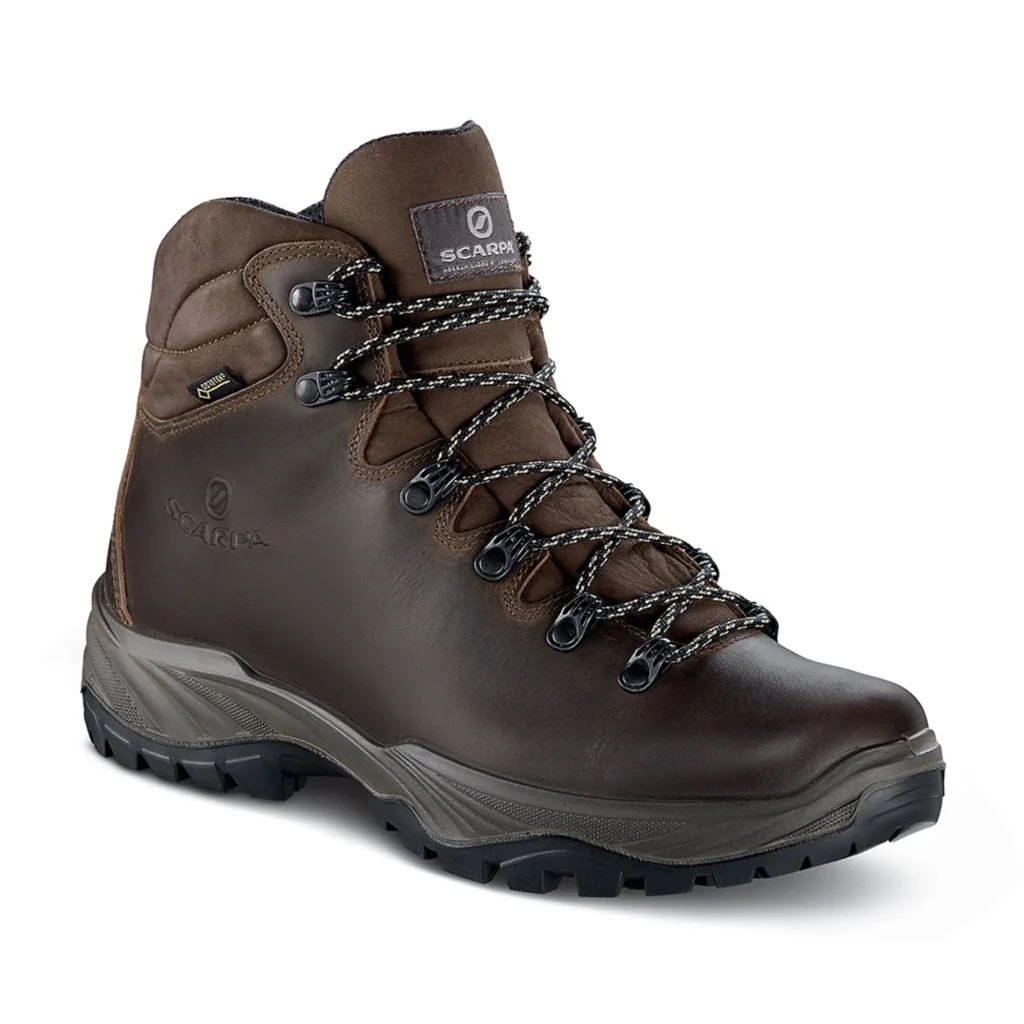
    • Scarpa Men’s Terra GTX – Excellent all-round boot with GORE-TEX waterproofing and Vibram grip; ideal for longer walks and wet weather.
    b1124231 7070 f
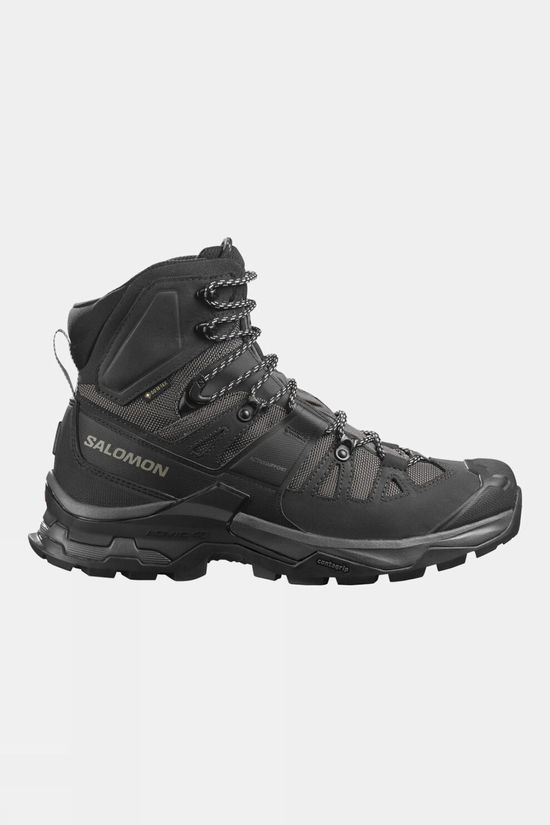
    • Salomon Mens Quest 4 GTX – Balanced performance boot with strong support and waterproofing for varied terrain.

    Best Trail Performance

    inov8 roclite pro g 400 gtx 001073 olbkyw.jpg
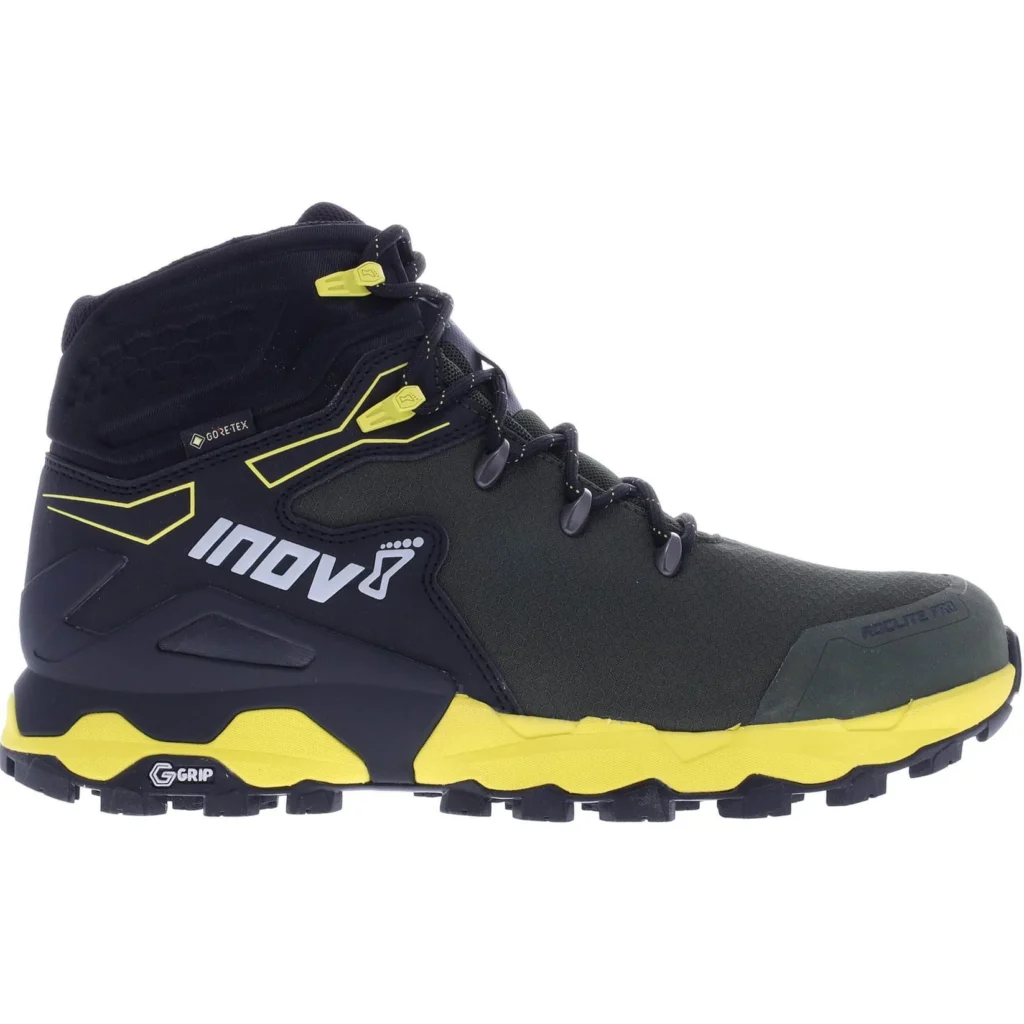
    • Inov8 Roclite Pro G 400 GORE TEX V2 – Lightweight but grippy, perfect if you prefer faster hikes.

    61ad61gxw0l. ac sy695
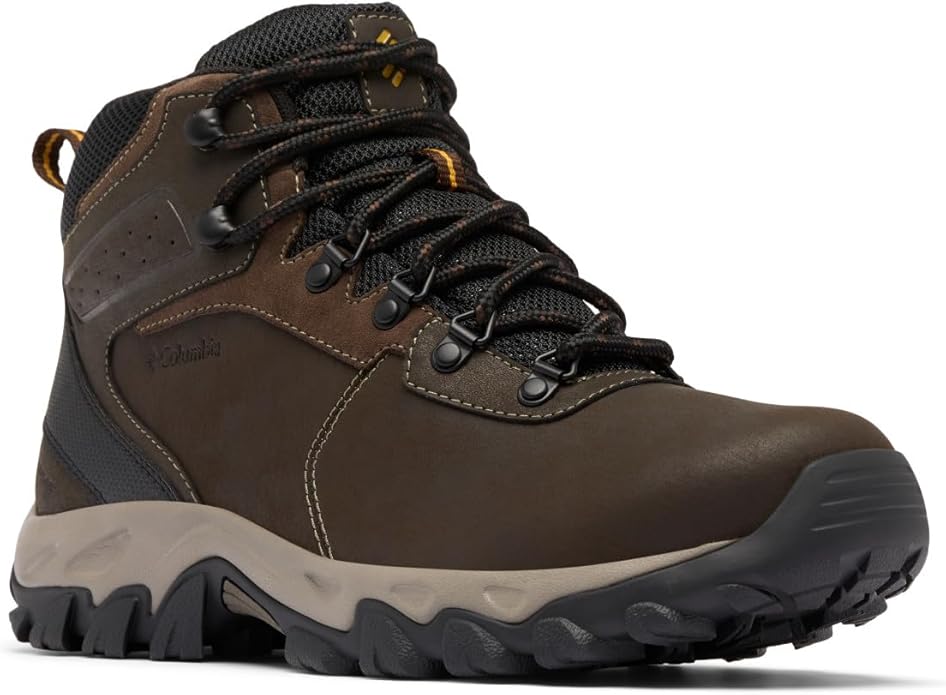
    • Columbia Men’s Newton Ridge Plus II Waterproof – Great mid-range pick for beginners with solid comfort and waterproofing.

    Best Budget Friendly

    71hn6puhinl. ac sy695 2
    • Peter Storm Men’s Snowdon II Walking Boots – Excellent value for casual countryside walks.

    18073804 o
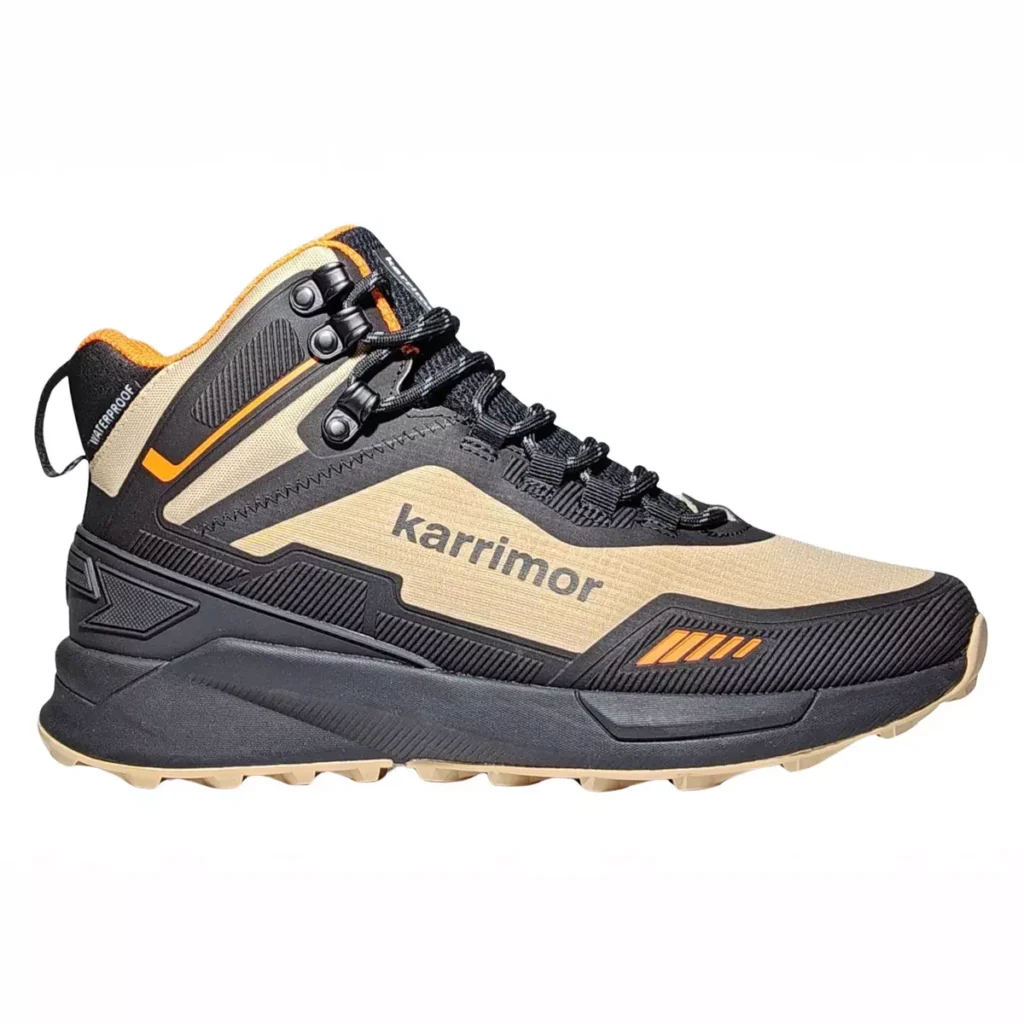
    • Karrimor Men’s Rallitor Waterproof Trekking Boots – Simple waterproof option for beginners.

    18202702 xxl a2.jpg
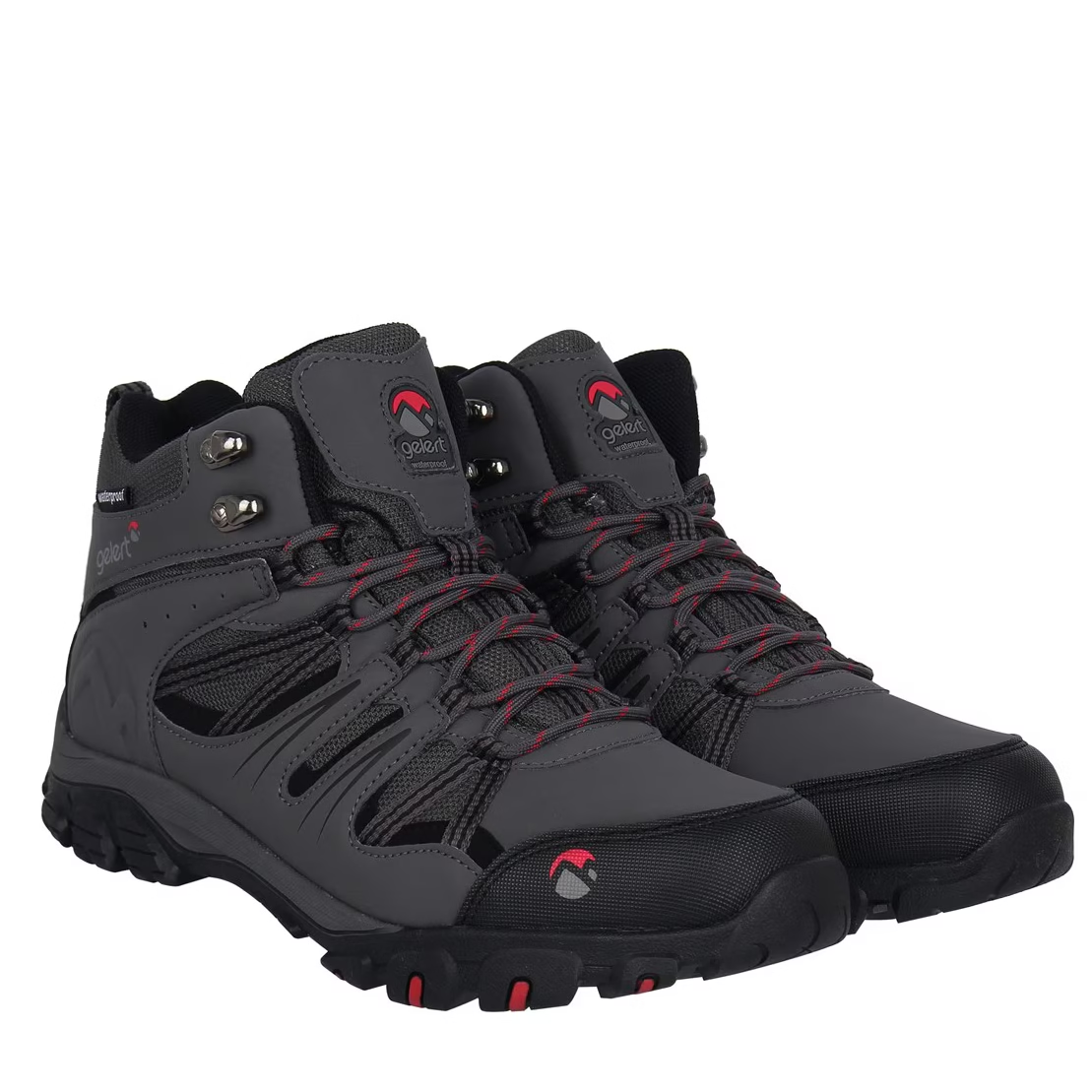
    • Gelert Men’s Horizon Mid Waterproof – Budget choice with good basic protection.

    Alternative Style / Minimalist

    screenshot2024 11 21at14.12.34.png
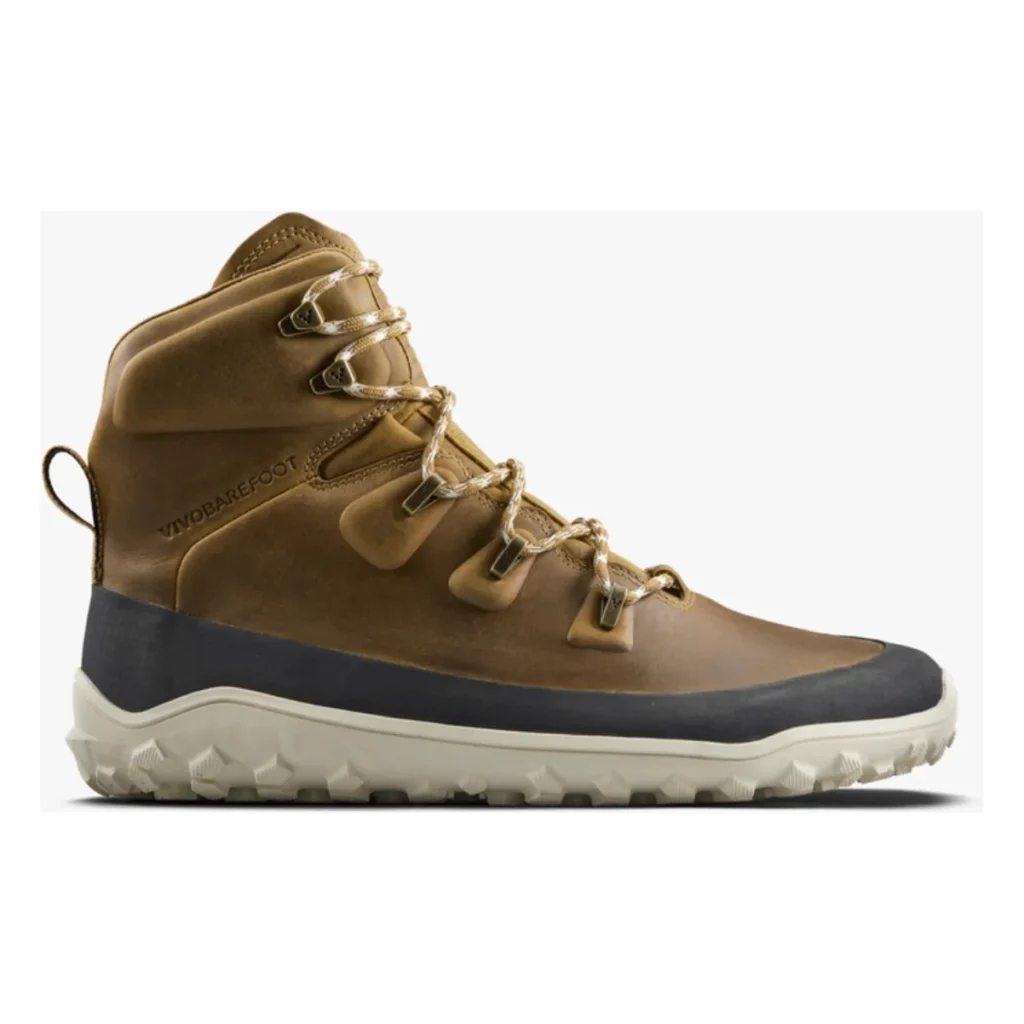
    • Vivobarefoot Tracker Leather AT Men’s – More natural feel for terrain awareness; good if you prefer barefoot-style hikers.

    🥾 Top Women’s Hiking Boots

    Best Overall for Regular Hikes

    713+5pekcjl. ac sy695
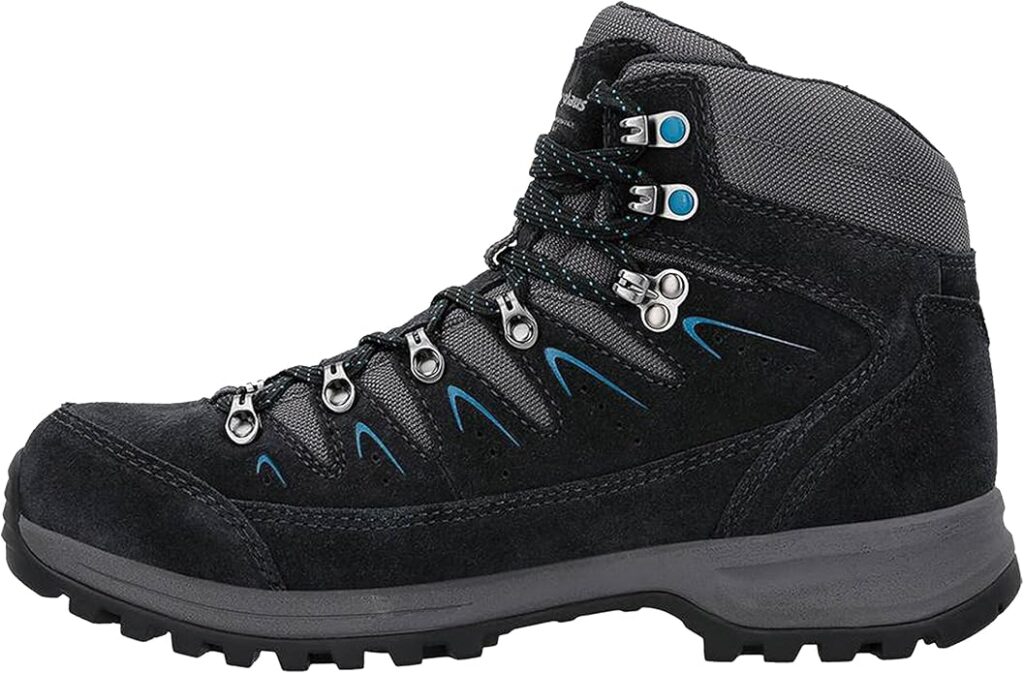
    • Berghaus Women’s Explorer Trek Gore-Tex Walking Boots – Top-rated waterproof boot at a great price point, perfect for countryside trails.
    bl 701608 a.jpg
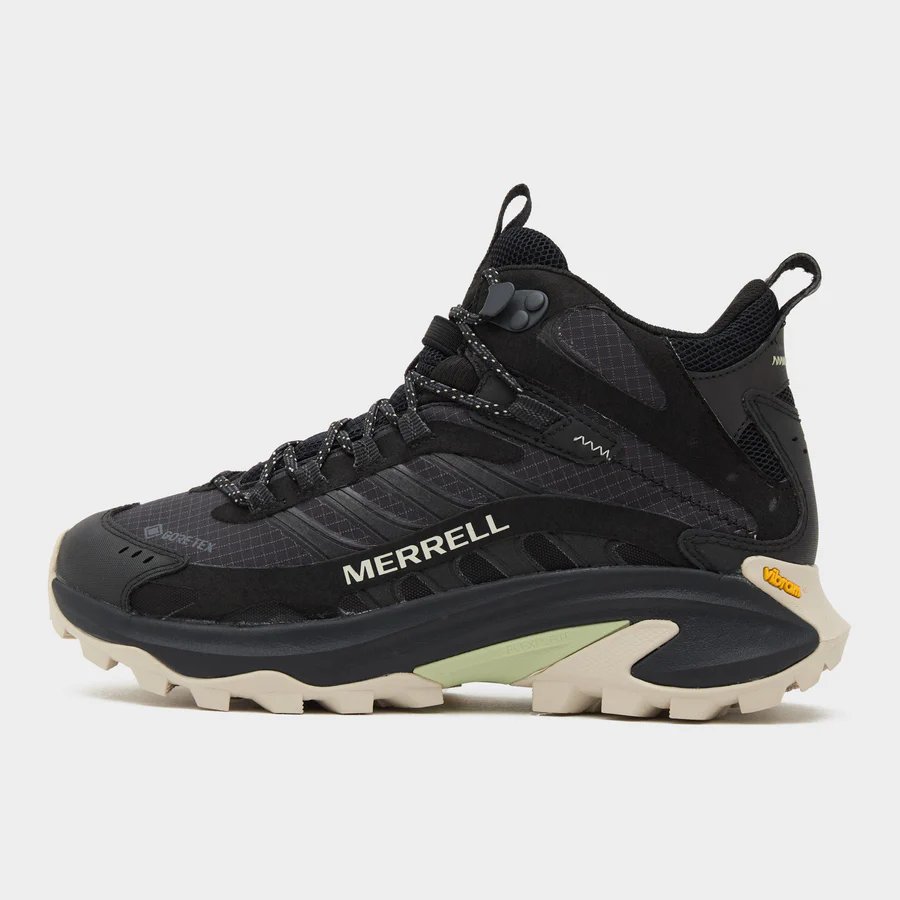
    • Merrell Women’s Moab Speed 2 Mid Gore-Tex – Comfortable with good support and strong GORE-TEX protection.

    Performance & Comfort

    b21acb0026 6539 c
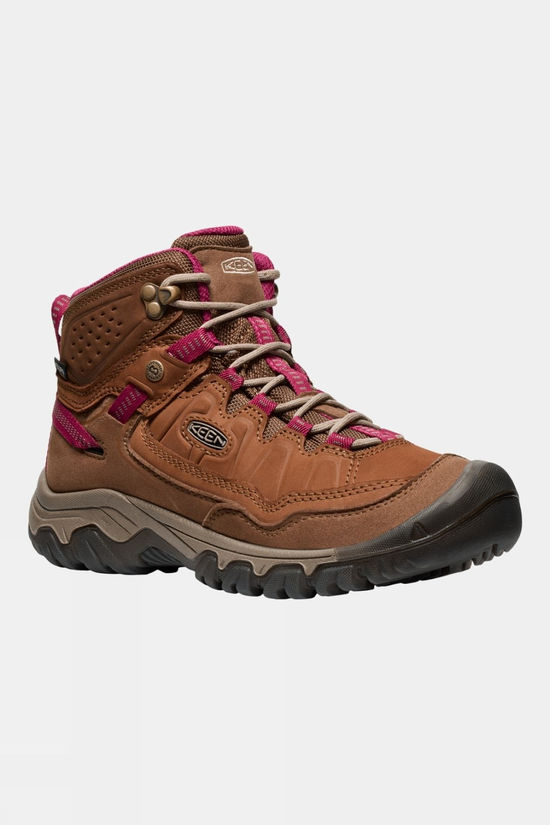
    • Keen Womens Targhee IV Mid Waterproof – Excellent cushioning and roomy fit for all-day comfort.

    71rusqmoxgl. ac sx695
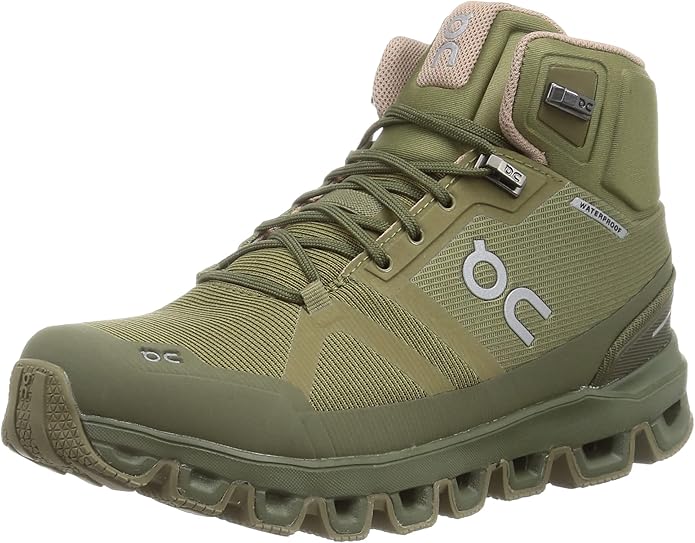
    • On Women’s Cloudrock Waterproof 1Sneaker – Lighter, trail-style choice for easier terrain or beginners.

    Budget & Casual Walks

    picture.jpg
    • Women’s Decathlon Waterproof Mid Hiking Boots – Fantastic entry-level hiking boots for beginners on a budget.

    bl 395250 a

    Peter Storm Women’s Snowdon II Walking Boots – Great price and basic waterproofing.

    81ls5hzvryl. ac sy695
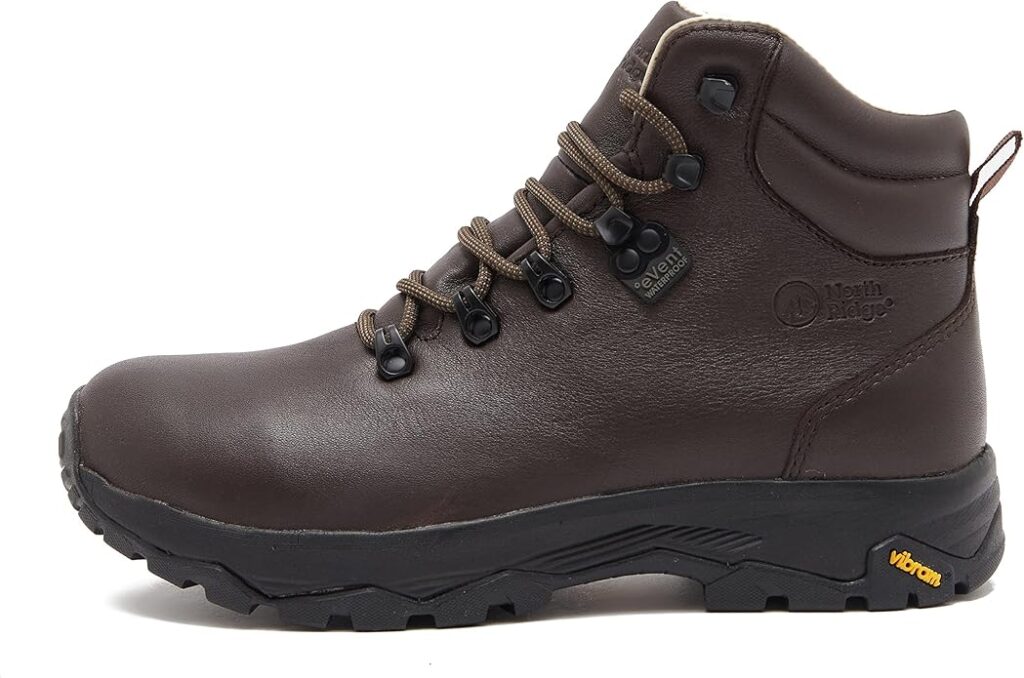
    • North Ridge Women’s Lite Hiker Mid Walking Boots – Lightweight and affordable with solid reviews.

    bl 629025 a.jpg
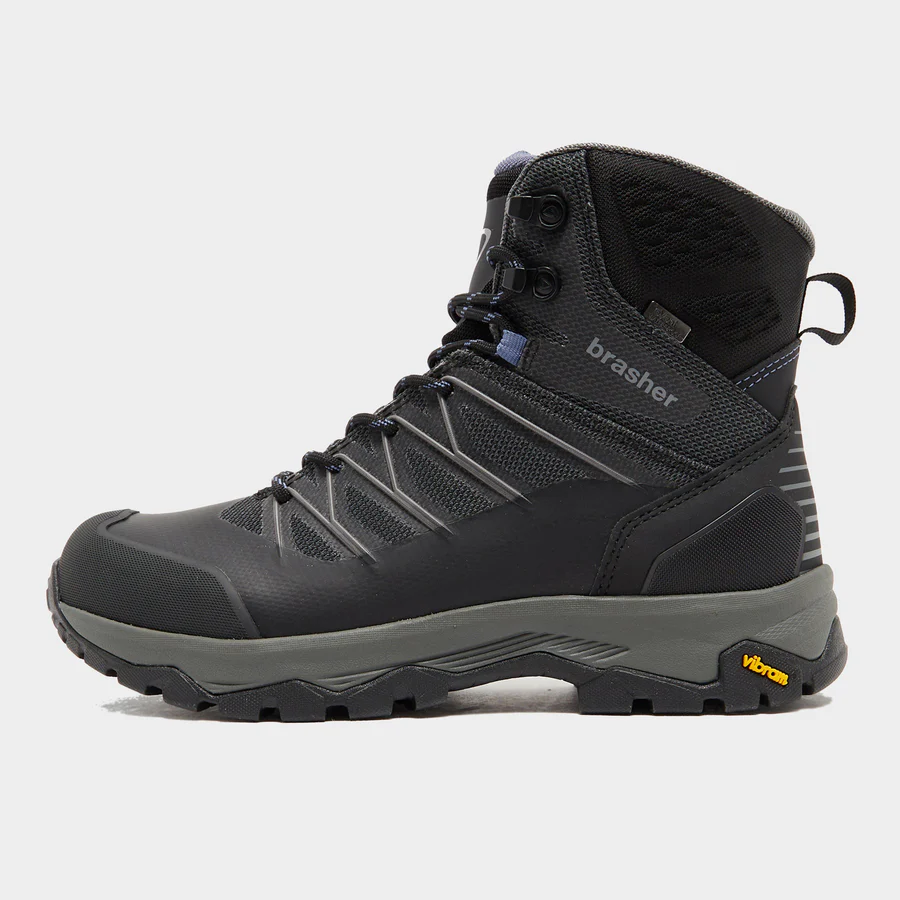
    • Brasher Women’s Jura Mid Waterproof Walking Boot – Classic mid-range walking boot with reliable dryness and support.

    Comfort & Durability Tips

    Fit & Comfort

    • Always try boots on with hiking socks to ensure the right fit.
    • There should be room for your toes, but not so much that your foot slides around.
    • Beginners often prefer boots with extra cushioning and ankle support.

    Waterproofing & Weather Protection

    • Look for GORE-TEX or waterproof membranes to keep feet dry in wet countryside weather.
    • Breathability is key — waterproof boots that trap moisture can lead to sweaty feet and blisters.

    Break-In & Durability

    • Some boots (especially leather) may need a break-in period — wear yours on short walks before long hikes.
    • Clean and condition leather boots regularly to extend their lifespan.
    • Durable rubber soles and supportive midsoles help prevent fatigue on longer trek days.

    Final Thoughts

    If you’re new to countryside walking, choose a mid-height, waterproof boot that prioritises comfort over technical features. A good fit matters more than brand — and the right boots will keep you exploring longer and more comfortably.

    It does have to be said that the price usually reflects quality and therefore durability. If you can I’d recommend not going too budget driven because walking boots can make or break your trip.

    Give our post a read on the essential things to take with you on a day trip outdoors

    Please leave a comment below 🙂

  • Improve your wildlife watching experience with these 10 items

    Improve your wildlife watching experience with these 10 items

    Wildlife watching is about seeing the unseen; connecting with nature, and witnessing the true beauty and rawness of undisturbed wildlife. Beginners often get overwhelmed by gear choices. Below are 10 items you can use, each with a mid-range cost estimate and why they will improve your wildlife watching experience.

    Please ensure you read the ethical wildlife viewing guide before your adventure:

    1. Binoculars — Your Eyes in the Wild

    A quality pair of binoculars will transform your experience — bringing distant birds and mammals into crisp focus without disturbing them. 

    81tmbsi6p7l. ac sl1350

    Recommended Pick: 

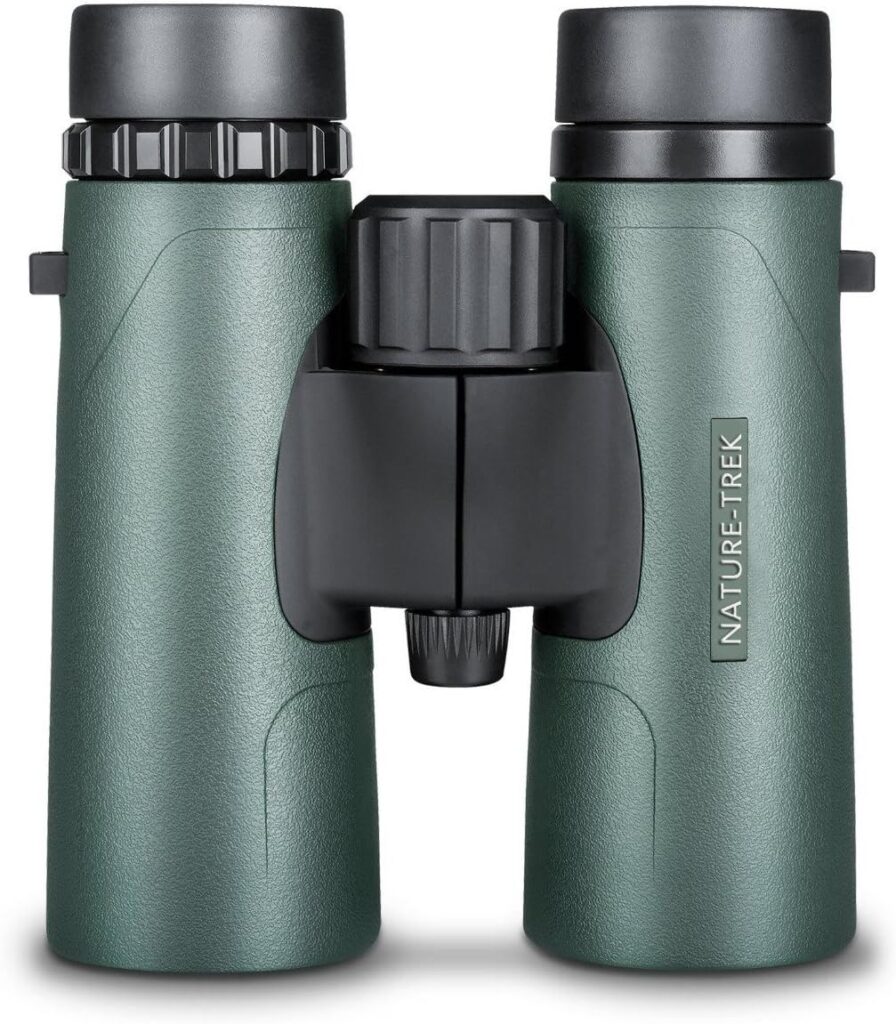
    Hawke Nature‑Trek 8×42 Binoculars – ~£152 — Excellent clarity and light gathering for wildlife watching.

    Tip: 8×42 is a classic balance of magnification and brightness, ideal for dawn/dusk wildlife activity.


    2. Trail Camera — Capture the Action While You Wait

    mef720 001 secacam5cellularwildlifecamera20250417035138 1

    Trail (wildlife) cameras help you document nocturnal or shy animals automatically.

    Recommended Pick: 

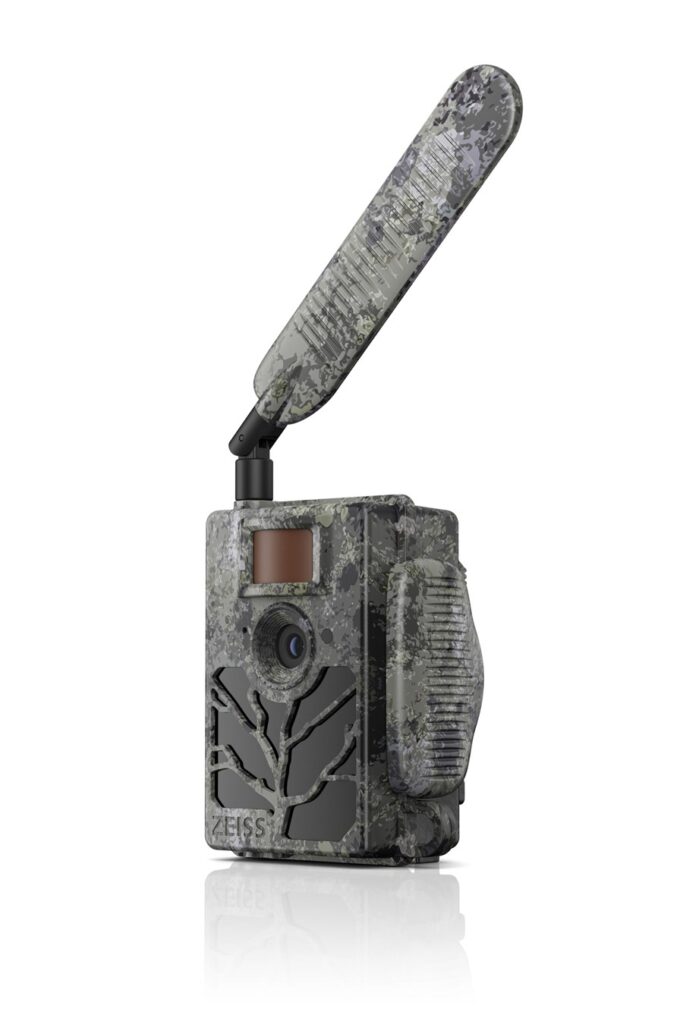
    Zeiss Secacam 5 Wildlife Camera – ~£144 — Good motion detection and weather protection.

    Tip: These are perfect to leave out in hides or places you can’t watch yourself.


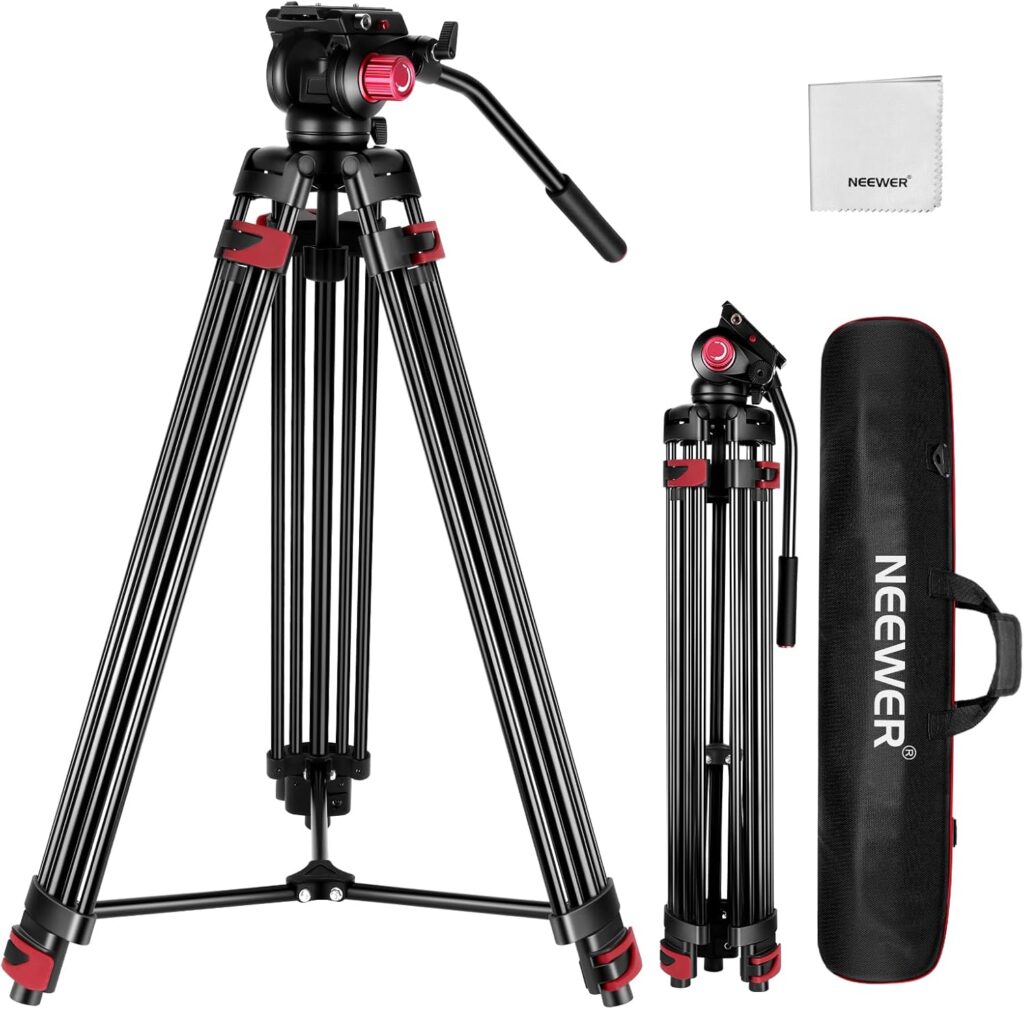
    3. Sturdy Tripod — Steady Views Matter

    Whether you’re using binoculars, a spotting scope, or camera, a tripod gives you steady, shake-free viewing and shooting. 

    What to look for: Lightweight but strong; quick-folding legs; adjustable height.

    71etlblr4tl. ac sl1500

    Recommend Pick:

    NEEWER 79″ Camera Tripod ~ £95 – A robust, adjustable tripod with good height range and stability for wildlife photography. Great for cameras or spotting scopes.

    Mid-range cost: £60-£140


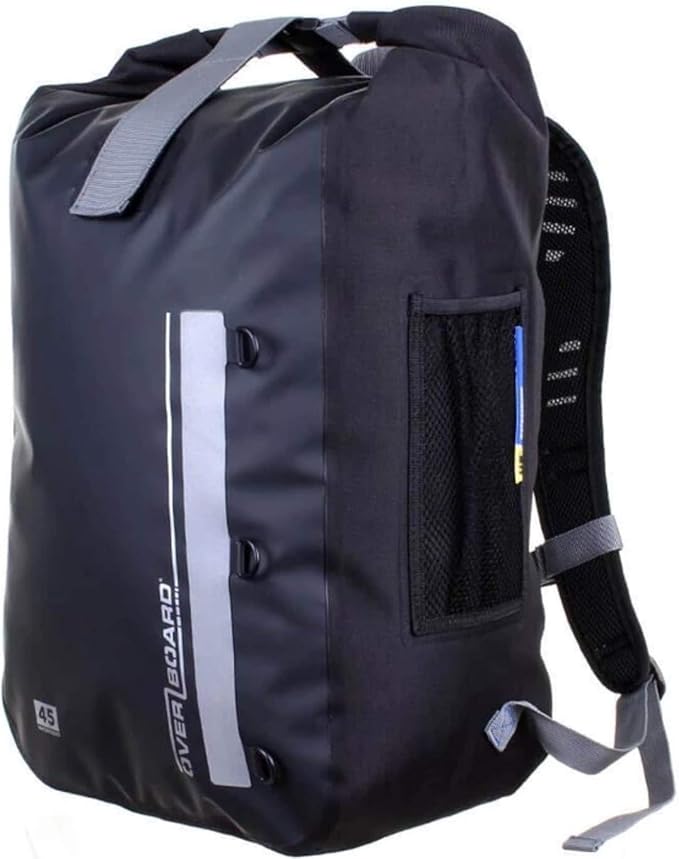
    4. Comfortable Backpack — Carry All Day With Ease

    61f5xb irsl. ac sx679

    Your gear needs a home that fits comfortably, stays dry, and keeps you organised.

    Recommend Pick:

    Overboard Unisex Classic Waterproof Backpack 45L ~ £70 -Fully waterproof design protects your gear from heavy rain or river crossings — ideal for unpredictable weather.

    Mid-range cost: £50-£120

    Tip: Look for padded straps, weatherproof fabrics, and compartments for optics, snacks, and water.


    5. Weather-Ready Clothing — Stay Comfortable in the Elements

    Being out at dawn or dusk means dealing with dew, wind, chill — and whisky-quiet movements so you don’t spook wildlife. 

    Mid-range cost for gear:

    • Waterproof jacket: ~£80-£150
    • Quiet tactical pants: ~£40-£90
    • Hat and gloves: ~£20-£50

    Recommended Brands:

    • Patagonia
    • North Face
    • Trespass

    6. Beanbag or Small Ground Support — For Camera and Scope Stability

    A beanbag is a compact, versatile support for heavy lenses or scopes — especially when a tripod is too bulky. 

    Recommended Pick:

    buteo photo gear bean bag 1 zadelmodel met draagriem full 720009 3 43839 764.jpg

    Buteo Photo Gear Bean Bag 1 Saddle and Belt ~ £39.95 – Simple, effective support you can place on a hide, vehicle window, fence or low ground. Great for heavy lenses when a tripod isn’t set up.

    Mid-range cost: £20-£40

    Tip: Perfect for window sills, vehicle doors, or low-angled shots.


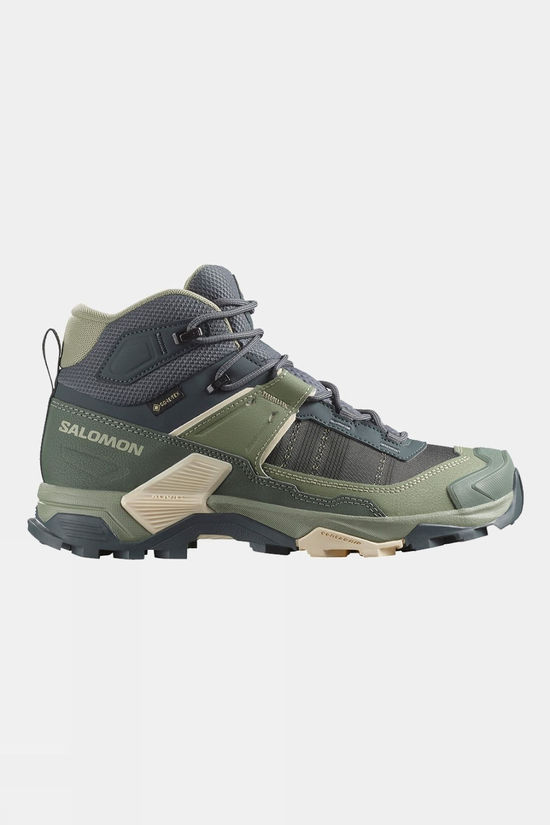
    7. Good Walking Boots — Comfort Is Everything

    b21aba0210 5272 a

    Long walks and uneven paths are part of wildlife watching. Boots with ankle support and waterproofing make all the difference.

    Recommended Pick:

    Salomon Womens X Ultra 5 Mid GTX Boots ~ £165 – Ideal for longer walks, varied UK trails, and wildlife walks where you might be on your feet for hours.

    Mid-range cost: £80-£200

    Tip: Search for Breathable, firm sole, waterproof


    8. Hydration Pack or Water Bottle — Stay Fuelled & Focused

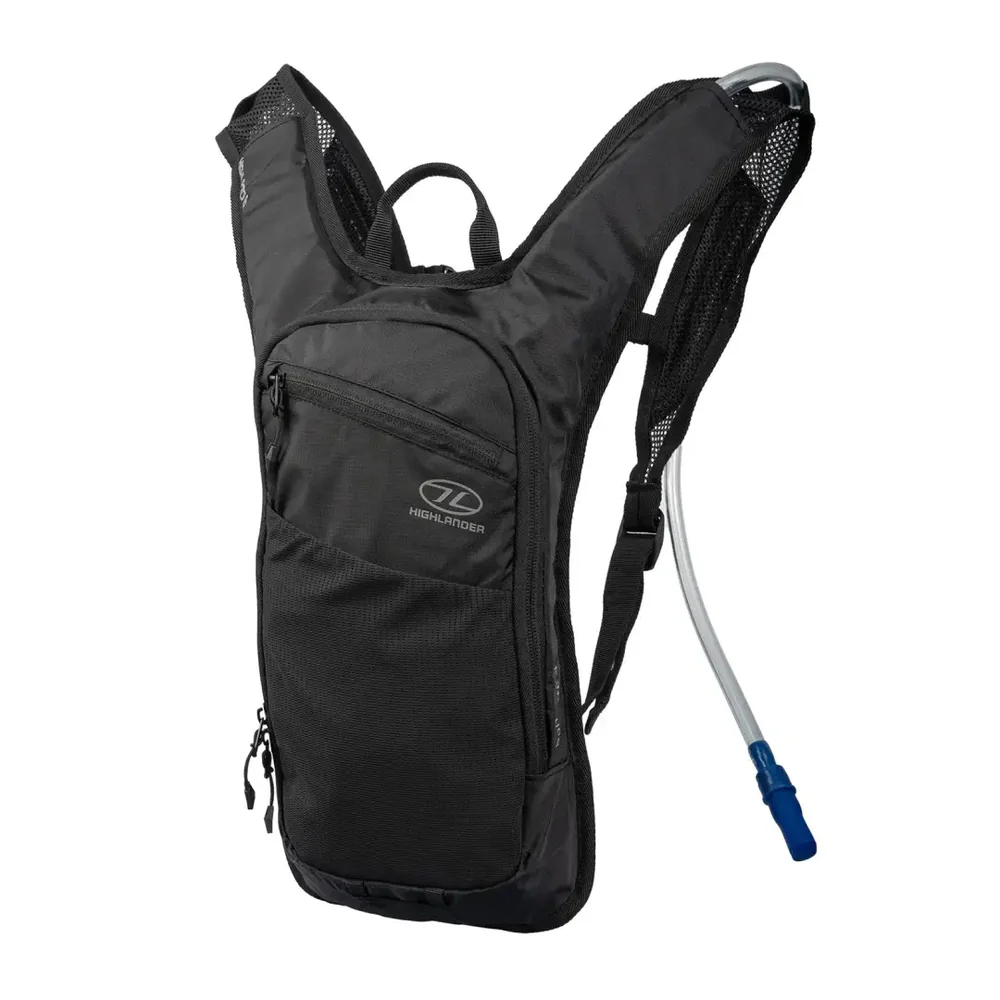
    highlander bolt lite hydration pack black size bags 640

    Being miles from a café means you must think hydration. A pack with a reservoir lets you sip without stopping.

    Recommended Pick:

    Highlander Bolt-Lite Hydration Pack ~ £35 – 1.5 litre hydration bladder with hose included for a shorter outing

    Mid-range cost: £30-£60


    9. Field Guide or Identification App — Learn What You See

    Binoculars let you see animals — field guides help you know them. Pocket guides or apps for birds, mammals, and insects add huge value.

    For example : Merlin is a widely used free app that helps identify birds from their song


    10. Notebook & Pen — Capture Notes Like a Pro

    81968pfbxel. ac sl1500

    It sounds small, but noting location, behaviour, timing and weather gives you data to recognise patterns and plan future trips.

    Recommended Pick:

    Rite in the Rain Waterproof Paper Notebook ~ £6.49 – A classic waterproof notebook so you can record sightings, locations & behaviour even in rain.

    Mid-range cost: £5-£15

    Tip: Choose weather-proof notebooks if you’ll be out long or in wet conditions.

    Please leave a comment on what you might recommend yourself or do differently to help other readers

  • A Practical Guide to Ethical Wildlife Viewing

    A Practical Guide to Ethical Wildlife Viewing

    Ethical wildlife viewing is about observing animals in ways that minimise disturbance, respect their needs, and avoid altering their natural behaviour. These general principles apply whether you are watching birds in a local park, photographing mammals on safari, or encountering marine life while snorkelling.

    The aim is not to restrict enjoyment, but to ensure that wildlife encounters remain safe, meaningful, and sustainable for the long term. The best experiences with wildlife are when you can witness natural behaviour.

    Please research your specific destinations wildlife and guidelines associated but the general rules tend to apply to most species.

    ALLOW WILDLIFE TO REMAIN WILD

    In the worst cases, animals whose behaviour has been altered by human interaction may be considered a risk to public safety and may be humanely destroyed. Others may experience long-term health impacts or reduced quality of life as a result of disrupted natural behaviours.


    1. Prioritise the Animal’s Welfare

    The central question to keep in mind is: does my presence change the animal’s behaviour or increase its risk?

     Ethical viewing means the animal’s wellbeing always comes before getting closer, a better photo, or a more dramatic experience.

    Stress, repeated disturbance, or altered behaviour can reduce an animal’s ability to feed, rest, reproduce, or avoid predators—even if the impact is not immediately obvious.


    2. Keep a Respectful Distance

    Maintaining distance allows animals to behave naturally and reduces stress. Many species interpret close approaches as a threat, even if they do not flee.

    Why this matters:

    • Animals forced to move or remain alert use valuable energy.
    • Habituation to humans can increase the risk of injury, conflict, or poaching.
    • Sudden defensive behaviour can put people at risk.

    If an animal changes its behaviour—stops feeding, looks directly at you repeatedly, moves away, vocalises, or shows defensive postures—you are too close.


    3. Never Bait, Feed, or Lure Wildlife

    Avoid using food, calls, playback, or other attractants to draw animals closer.

    Why this matters:

    • Feeding alters natural diets and foraging behaviour.
    • Animals may associate humans with food, increasing aggression or dependency.
    • Artificially concentrated animals are more vulnerable to disease, predators, and human conflict.

    Even well-intentioned feeding can have long-term negative effects that extend far beyond a single encounter.


    4. Research the Species and Location in Advance

    Learning about the wildlife you may encounter helps you interpret behaviour and avoid unintentional harm.

    Why this matters:

    • Understanding warning signs (stress, aggression, breeding or nesting behaviour) helps you know when to back away.
    • Some species are especially sensitive during breeding, migration, or moulting periods.
    • Local regulations or guidelines often exist for specific species or habitats.

    Research does not need to be extensive—basic knowledge can significantly improve both safety and ethical decision-making.


    5. Always follow Local Guidelines and Use Responsible Guides

    When available, follow established codes of conduct and consider using reputable local guides.

    Why this matters:

    • Guidelines are often based on long-term research and local conservation needs.
    • Experienced guides can interpret animal behaviour and manage group impact.
    • Supporting ethical operators helps reinforce good practices within the tourism industry.

    If a guide or operator encourages unsafe or intrusive behaviour, that is a sign to disengage.


    6. Move Quietly and Predictably

    Keep noise, sudden movements, and group size to a minimum.

    Why this matters:

    • Loud or erratic behaviour can startle animals, triggering flight or defensive responses.
    • Predictable movement allows animals to assess you more calmly and decide how to respond.

    This applies equally on land and in water—slow, deliberate movement is less disruptive than fast pursuit.


    7. Follow Ethical Wildlife Photography Practices

    Photography should document natural behaviour, not create it.

    Key principles:

    • Avoid flash, especially at close range or in low light.
    • Do not reposition animals, nests, or habitat for a better image.
    • Do not pursue animals for photographs.

    Why this matters:

    • Flash can disorient or stress animals, particularly nocturnal species.
    • Manipulating scenes can expose animals to predators or environmental stress.
    • Images obtained through disturbance can encourage others to repeat harmful behaviour.

    A photograph taken from a respectful distance is more ethical—and often more meaningful—than one obtained by intrusion.


    8. Stay on Designated Paths and Respect Habitat

    Avoid trampling vegetation, disturbing nesting sites, or entering restricted areas.

    Why this matters:

    • Habitat damage can outlast a brief encounter and affect many species.
    • Ground-nesting animals and juveniles are especially vulnerable.
    • Repeated off-trail use can create permanent disturbance corridors.

    Protecting habitat is an essential part of protecting wildlife.


    9. Do Not Touch or Handle Wildlife

    Even animals that appear calm, injured, or abandoned should not be touched unless directed by qualified professionals.

    Why this matters:

    • Handling causes stress and can lead to injury for both animal and human.
    • Human scent or interference can cause parents to abandon young.
    • Improper assistance can worsen injuries or disrupt natural processes.

    If an animal appears injured or in distress, contact local wildlife authorities or rescue organisations.


    10. Be Especially Cautious Around Young and During Breeding Seasons

    Extra care is needed when animals are breeding, nesting, or caring for young.

    Why this matters:

    • Adults may abandon nests or young if repeatedly disturbed.
    • Defensive behaviour is more likely during these periods.
    • Small disruptions can have disproportionate impacts on survival.

    If you notice juveniles, nests, or mating behaviour, increasing distance is usually the most ethical response.


    11. Leave No Trace of Your Presence

    Carry out everything you bring in, including food scraps and biodegradable items.

    Why this matters:

    • Waste can attract animals to unsafe areas or alter natural behaviour.
    • Ingested debris can cause injury or death.
    • A clean environment supports long-term viewing opportunities for everyone.

    12. Model and Encourage Responsible Behaviour

    Ethical wildlife viewing also involves social responsibility.

    Why this matters:

    • Others may follow your example, for better or worse.
    • Calmly choosing not to engage in harmful practices helps normalise ethical standards.
    • Sharing accurate information can reduce misinformation and pressure on wildlife.

    This does not require confrontation—often, simply acting responsibly is enough.


    Conclusion

    Ethical wildlife viewing is about awareness, restraint, and respect.

    By understanding animal behaviour, minimising disturbance, and prioritising welfare over access or imagery, we help ensure that wildlife remains wild.

    These practices protect animals, habitats, and people alike—and make wildlife encounters more authentic and rewarding in the long run.

    Please use your common sense and don’t follow others just because someone else is doing it so you can do it too.

    FIND THE BEST GEAR TO AID YOUR WILDLIFE EXPERIENCE

    Please leave a comment with suggestions or recommendations to help other readers

  • Essential Packing List for Your Outdoor Adventure – Beginner Friendly

    Essential Packing List for Your Outdoor Adventure – Beginner Friendly

    Heading out into nature is exciting—but knowing what gear to take can also be confusing. Too many guides focus on extreme survival setups or expensive equipment that beginners simply don’t need.

    This beginner-friendly packing list covers the essential gear you actually need to stay comfortable, safe, and prepared—without overpacking or overspending. Whether you’re planning a short hike, a national park visit, or a casual outdoor adventure, this guide will help you get started with confidence.

    Start your adventure stress-free!


    This guide is ideal for:

    • Day walks
    • National park visits
    • Scenic trails and viewpoints
    • Casual outdoor exploration
    • Short nature trips without overnight camping

    If you’re not backpacking overnight, this checklist is made for you.


    Essential Gear for Your First Nature Trip

    – Your Packing List

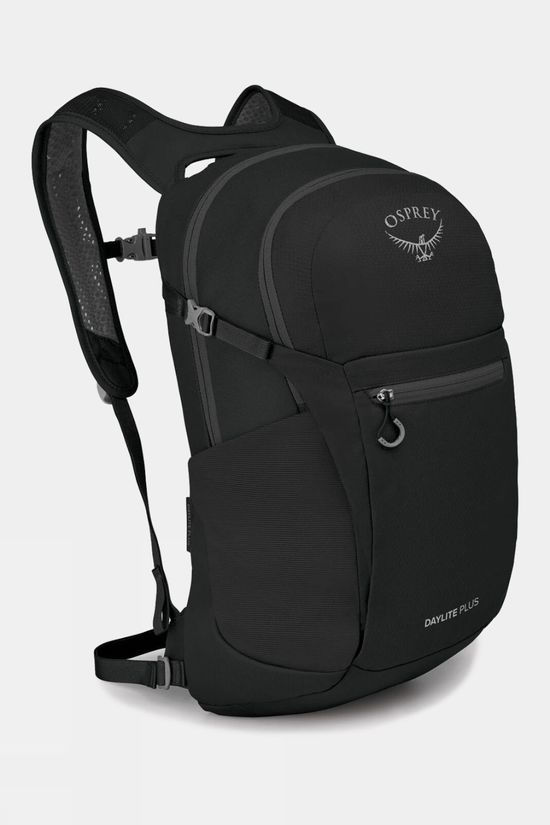
    1. Daypack or Backpack for Nature Trips

    e21150477070
    Packing List for Your Outdoor Adventure

    A comfortable backpack is the most important piece of beginner outdoor gear. For most nature trips, a small daypack is all you need.

    What to look for in a beginner-friendly backpack:

    • 15–30 liter capacity
    • Padded shoulder straps
    • Breathable back panel
    • Exterior pockets for water bottles

    A properly fitting daypack keeps your gear organised and prevents unnecessary fatigue.

    For example: The Osprey Daylite Plus Daypack 20L

    https://www.cotswoldoutdoor.com/p/osprey-daylite-plus-daypack-E2115047.html?colour=124&utm_source=google&utm_medium=cpc&utm_campaign=CWO-PPM-SALE-BEST-SELLERS&gad_source=1&gad_campaignid=21481167046&gbraid=0AAAAAD7-iQD5RHMK113mdfJVPFcIBT22b&gclid=CjwKCAiA95fLBhBPEiwATXUsxB9epm_2Cgscy80vVg4vnnQv-pLqF7RMydBT4VPqcofb7gqhX1-RLRoClOcQAvD_BwE


    2. Proper Footwear for Outdoor Trails

    b22aac0007 6060 o

    Footwear can make or break your nature trip. Beginners don’t usually need heavy boots.

    Best footwear for beginners:

    • Trail runners for dry, maintained trails
    • Lightweight walking shoes for uneven terrain

    Avoid:

    • Flat trainers with no grip
    • Brand-new shoes that haven’t been broken in

    Good traction and comfort matter more than brand names.

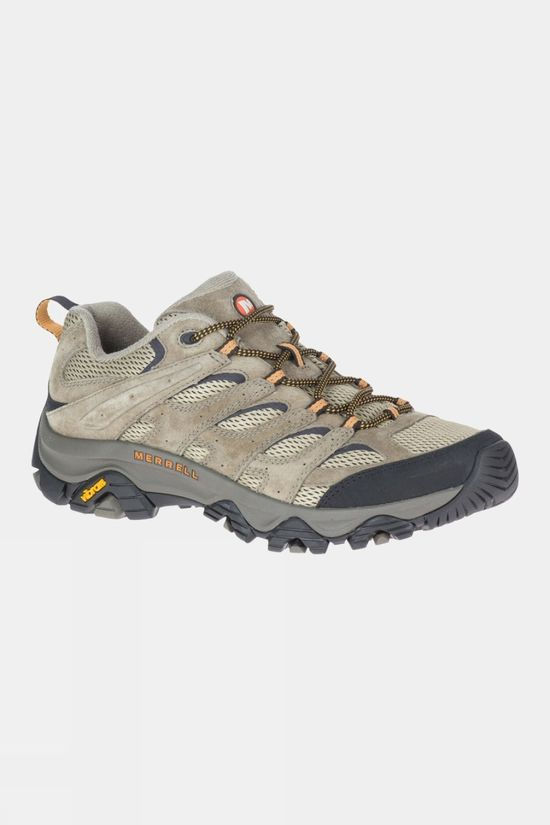
    For example: Merrell Mens Moab 3 Shoes

    https://www.cotswoldoutdoor.com/p/merrell-mens-moab-3-shoes-B22AAC0007.html?colour=143&utm_source=google&utm_medium=cpc&utm_campaign=CWO-PPM-UK-PERF-ONG-PLA-NB-GOOGLE-PMAX_SHORTS-AND-DRESSES&gad_source=1&gad_campaignid=17714611428&gbraid=0AAAAAD7-iQAzFVCDugvEloJ_6DuYcZULl&gclid=CjwKCAiA95fLBhBPEiwATXUsxBd1ILqk2oNwJZPTW8QGwFT9LdY99HRrr6dCC45XiO5Nf2aFywbXUxoCMAAQAvD_BwE


    3. Water & Hydration Essentials

    filters format(jpeg) quality(80)

    Staying hydrated is critical on any nature trip.

    Hydration options:

    • Reusable water bottle
    • Hydration bladder for hands-free drinking

    General Hydration Rule:
    Bring at least 1 litre of water for every 2hours outdoors. Plus a bit more for any unexpected added time.

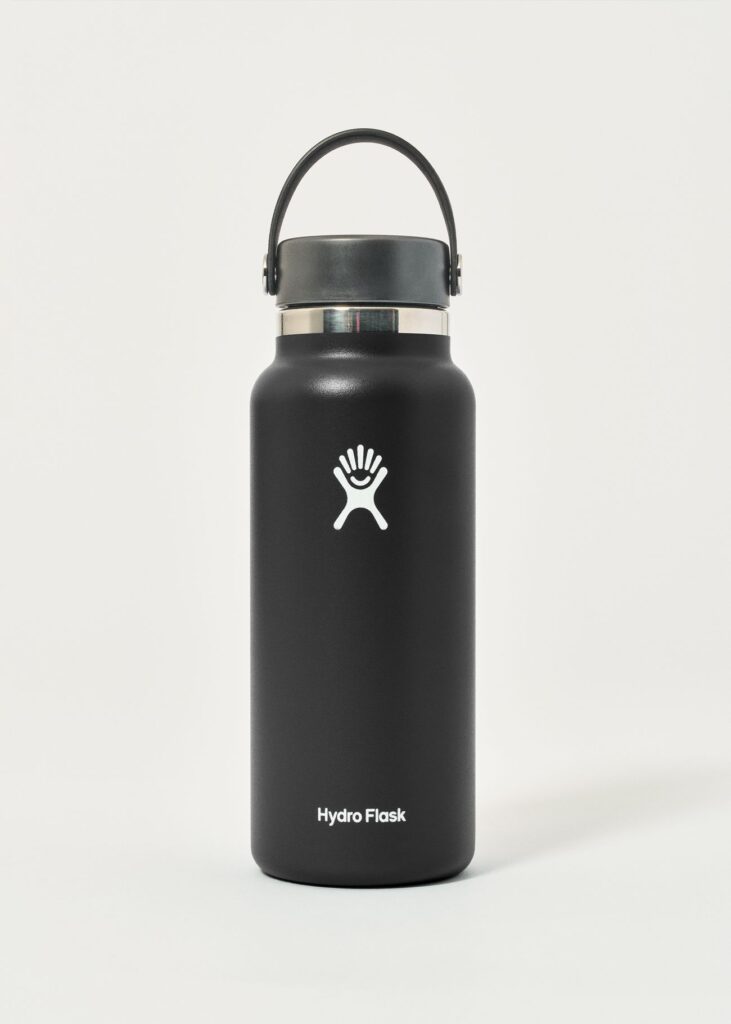
    For example: Hydro Flask Wide Mouth (32 oz)

    https://www.cotswoldoutdoor.com/p/hydro-flask-32oz-wide-mouth-with-flex-cap-drinks-bottle-E6114149.html?colour=124&utm_source=google&utm_medium=cpc&utm_campaign=CWO-PPM-UK-PERF-ONG-PLA-NB-GOOGLE-PMAX-CLEARANCE&gad_source=1&gad_campaignid=19716304771&gbraid=0AAAAAD7-iQBv6b-BNkucbWqXcdWS2Z8Rz&gclid=CjwKCAiA95fLBhBPEiwATXUsxE2ijF3emgKJrb2Lr45bejKjFrtMWeLUUnvpnZmgdCkQbB3LS0iUhhoCG6sQAvD_BwE


    4. Weather-Appropriate Clothing Layers

    06059009 f0c4 4fdf a90f d191634f3ac3

    “There’s no such thing as bad weather, only bad clothing.”

    Weather can change quickly outdoors, even on short trips.

    Simple layering system for beginners:

    • Base layer: Moisture-wicking shirt
    • Mid-layer: Fleece or light insulation
    • Outer layer: Rain or wind jacket

    Avoid cotton—it traps moisture and increases the risk of getting cold.

    Always check weather forecast before setting off and be prepared for weather to change quickly.

    A rain coat might be a life saver even if rain looks unlikely, once you’re wet, you’re cold till you can change.

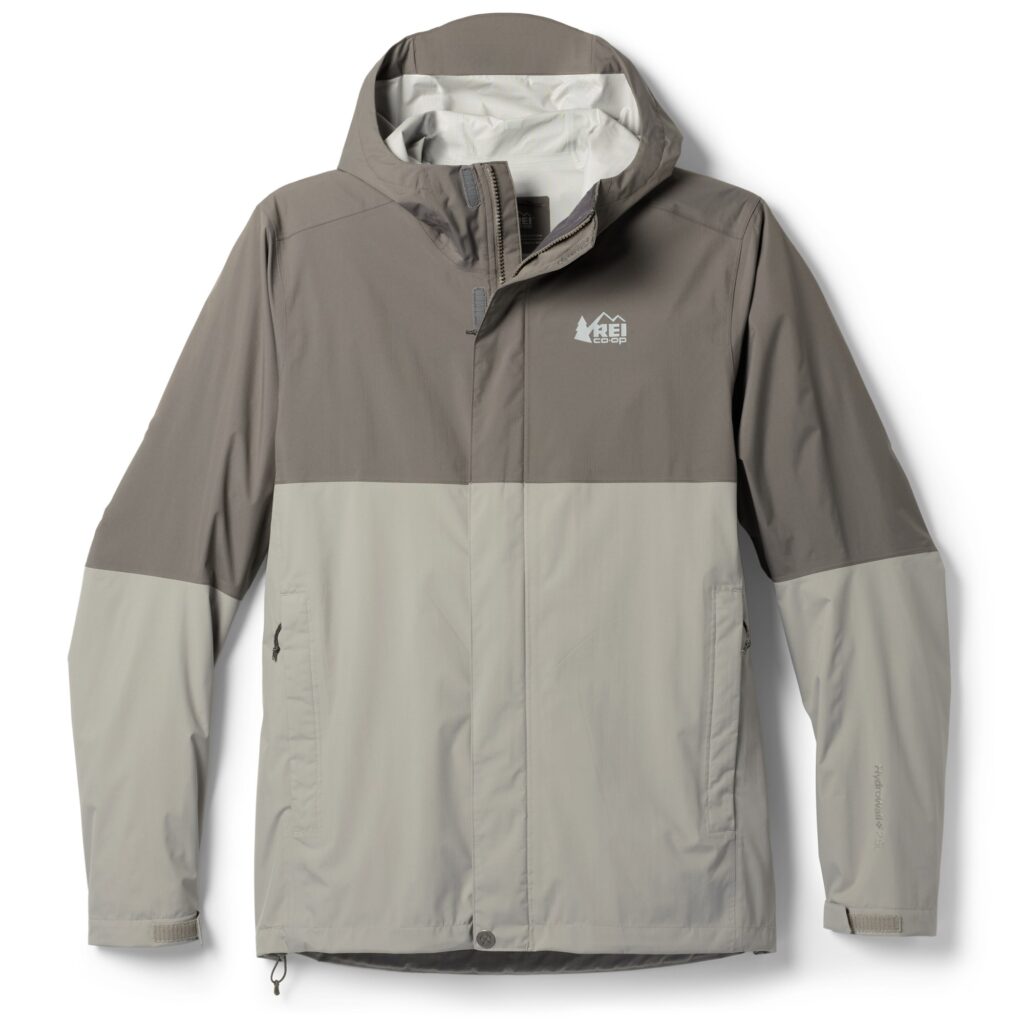
    For example: REI Co-op Rainier Rain Jacket

    https://www.rei.com/product/227570/rei-co-op-rainier-rain-jacket-mens


    5. Sun Protection

    71xv8bpsqgl. ac sl1500

    Sun exposure is one of the most overlooked outdoor risks.

    Essential sun protection gear:

    • Hat or cap
    • Sunglasses
    • Sunscreen (SPF 30 or higher)

    Even cloudy days can cause sunburn at higher elevations.

    For example: Nivea Sun Spray SPF 30


    6. Navigation Tools for Beginners

    screenshot 2026 01 13 at 13.28.13

    Even well-marked routes require basic navigation tools.

    Beginner navigation essentials:

    • Offline maps downloaded to your phone
    • Paper map of the area
    • Simple navigation or walking app

    Never rely on cell service—download maps before leaving.

    For example: AllTrails App

    https://support.alltrails.com/hc/en-gb/articles/37213318235028-How-to-download-maps-to-your-phone-for-offline-use


    7. Food & Snacks for Outdoor Energy

    51muvjrplzl. ac sl1500

    Nature trips burn more energy than expected.

    Good snack ideas:

    • Trail mix
    • Protein or energy bars
    • Fruit snacks – dried mango is always a good choice

    Always pack extra food in case your trip takes longer than planned. Think high energy protein items packed in the form of lightweight snacks.

    For example : Graze Oat Flapjacks Snacks 


    8. Basic Safety & Emergency Gear

    screenshot 2026 01 13 at 13.29.51

    You don’t need advanced survival gear—just the basics.

    Essential safety items for beginners:

    • Compact first aid kit
    • Headlamp or flashlight
    • Whistle
    • Fully Charged phone battery pack or power bank

    These lightweight items provide peace of mind without adding bulk.

    For example : Adventure Medical Kit – Ultralight and Watertight

    https://ultralightoutdoorgear.co.uk/ultralight-watertight-7-international-medical-kit


    9. Optional Gear for Extra Comfort

    Helpful but not required:

    • Walking poles
    • Lightweight sit pad
    • Fly spray
    • Bandana or compact towel


    10. Optional : Camera (Personally quite high on my list)

    If you’re going on a scenic walk a camera is always great to have to capture the moments.

    • added weight but can be as simple as just using your phone
    • if you’re avid photographer the extra weight might be worth it

    Will delve into this in later blog posts on the options available


    Nature Trip Packing List (Quick Checklist)

    • ✔ Daypack or backpack
    • ✔ Proper footwear
    • ✔ Water & hydration system
    • ✔ Weather layers
    • ✔ Sun protection
    • ✔ Navigation tools
    • ✔ Food & snacks
    • ✔ Safety essentials
    • ✔ Optional Camera

    This is the core nature trip gear checklist for beginners—nothing more, nothing less.


    Final Tips for First-Time Nature Trips

    Start simple. Pay attention to what you use most, and adjust your gear over time. The best outdoor gear is the gear that keeps you comfortable and excited to explore again.

    You don’t need expensive equipment to enjoy nature—just the right essentials.

    Most importantly enjoy your trip and don’t forget to pack your sense of adventure !!! Have Fun!


    This post may contain affiliate links. If you purchase through these links, this blog may earn a small commission at no extra cost to you.