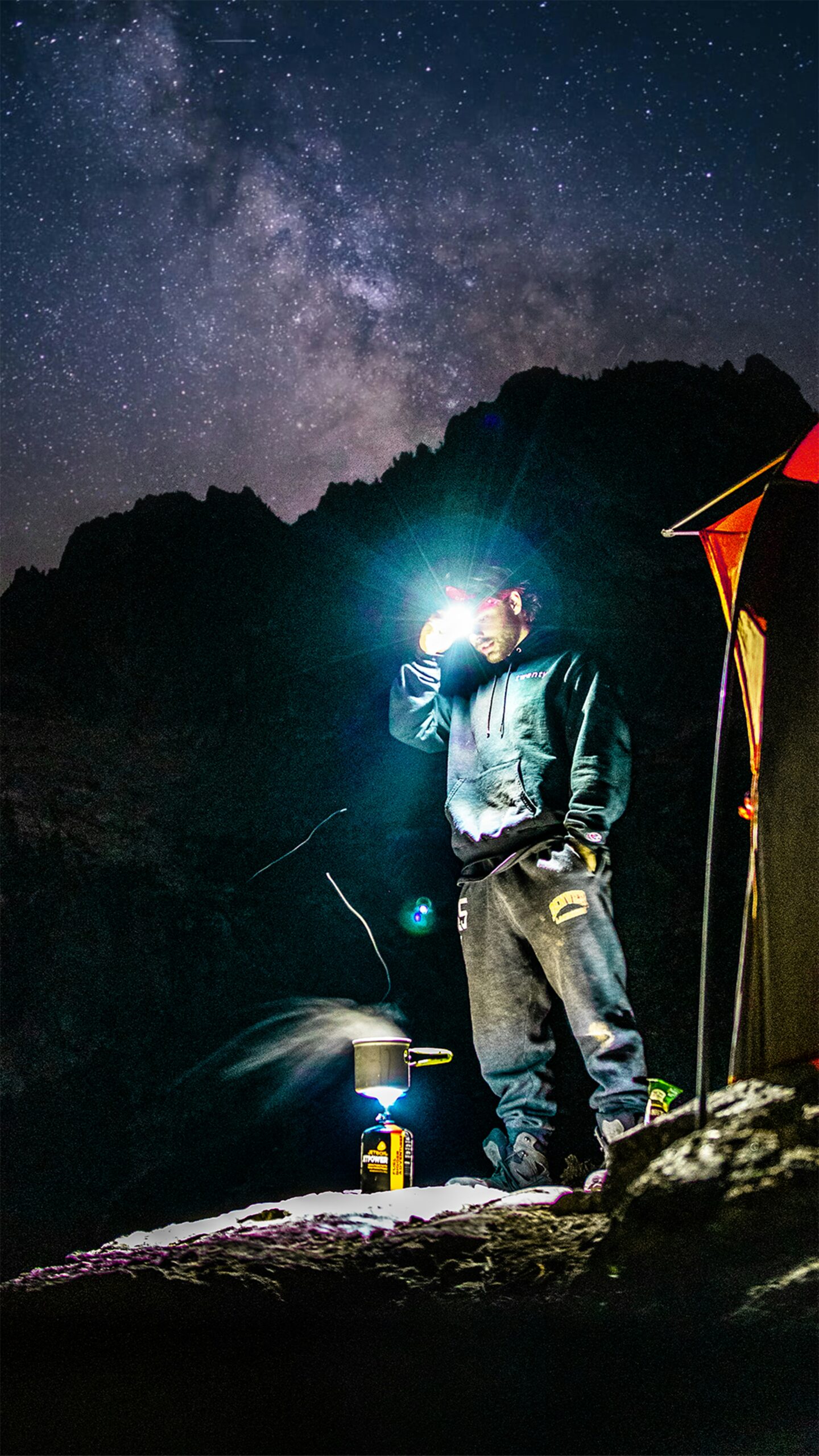

How to Adventure Safely During Short Winter Days : Short winter days change the rhythm of outdoor adventures. The light disappears faster, the weather can turn quickly, and plans that felt relaxed in summer suddenly feel rushed.
But shorter daylight doesn’t mean staying indoors — it just means planning a little smarter. With a few simple habits, winter adventures can feel just as enjoyable, without the pressure or unnecessary risk.
This guide focuses on practical ways to stay confident, un-rushed, and comfortable when daylight is limited.
Summary:
- Why short winter days affect outdoor safety and trip planning
- Common winter adventure mistakes caused by limited daylight
- How to plan winter hikes and outdoor trips around daylight hours
- The importance of setting a safe turnaround time in winter
- Essential winter gear for low light and cold conditions
- Navigation tips for hiking and exploring as daylight fades
- Managing fatigue, decision-making, and time pressure on short winter days
Why Short Daylight Changes Everything
In winter, darkness arrives earlier than most people expect. Even on clear days, the light can fade fast — especially in valleys, forests, or mountainous terrain.
At the same time:
- Weather is more changeable
- Temperatures drop quickly after sunset
- Navigation becomes harder as contrast and depth disappear
The key thing to remember is this: short daylight doesn’t reduce what you can enjoy — it just changes how you plan.
The Biggest Risks People Underestimate
Most winter issues don’t come from extreme conditions. They come from small decisions stacking up late in the day.
Commonly underestimated risks include:
- Losing daylight faster than expected
- Navigating in fading or flat light
- Sudden cold after the sun drops
- Fatigue from rushing to “beat the dark”
- Poor decisions made when tired or under time pressure
The biggest pattern?
Problems often start when people try to squeeze in “just a bit more.”
Plan Around Daylight, Not Distance
One of the most useful mindset shifts for winter adventures is planning around time, not miles or kilometres.
Instead of asking:
“How far can I go?”
Ask:
“How much daylight do I have to enjoy this comfortably?”
Practical ways to do this:
- Start earlier than you think you need to
- Treat daylight hours as fixed boundaries
- Choose routes with:
- Clear paths
- Easy escape options
- Familiar or well-marked terrain
A simple rule that works well:
Plan for about half the distance you’d normally do — and enjoy it properly.
Less rushing often means better views, more breaks, and a far better experience overall.
Build in a Non-Negotiable Turnaround Time
A turnaround time is one of the simplest and most effective safety tools — and it’s based on time, not progress.
Decide it before you set off, and stick to it.
For example:
- If darkness falls at 4:30pm
- Plan to be heading back by 3:00pm
Even if:
- The summit is “just ahead”
- The viewpoint is “around the corner”
Turning around early isn’t failure — it’s good judgement. Winter adventures reward consistency far more than last-minute pushes.
Dress & Pack for Darkness (Not Just Cold)
It’s easy to pack for the conditions at the start of the day and forget how different things feel once the sun disappears.
Think about packing for the moment the light fades, not just when it’s shining.
Key items that make a real difference:
- A headtorch (with spare batteries)
- An insulating layer for stops
- A waterproof outer layer
- A fully charged phone with offline maps
- An emergency snack (great for warmth and morale)
- Extra safety: GPS
These aren’t “just in case” items — they’re what keep the day feeling calm instead of rushed.
Specific Gear Recommendations:
Headtorch : Victoper Head Torch (Upgrade Design), Zoomable Head Tools with 4 Modes and Red Light
- Highly recommended with good battery life, strong lights and red light is extra bonus for viewing nocturnal wildlife
- Affordable Price
GPS : Inreach Mini 2 Satellite Communicator
– It comes at a cost but ultimately could be a lifesaver. This GPS has offline maps, satellite messaging and an SOS feature
Navigation When Light Fades
Navigation becomes more mentally demanding in low light. Paths look different, landmarks disappear, and distances often feel longer than they really are.
Helpful habits:
- Stick to familiar routes when daylight is short
- Use trail apps with offline maps downloaded
- Drop waypoints for car parks or key junctions
- Avoid complex navigation near the end of the day
A good planning check:
If you wouldn’t want to navigate it in the dark, don’t plan to finish there.
The Mental Side of Short-Day Adventures
This is the part many people don’t talk about.
Short daylight creates subtle pressure:
- A feeling of being “behind schedule”
- Rushing decisions late in the day
- Mental fatigue affecting judgement
Knowing when to call it early is a skill, not a weakness. Ending a trip while you still feel comfortable often means:
- Better memories
- More energy
- Confidence to head out again
Winter adventures aren’t about pushing limits — they’re about moving well within them and enjoying every hour of light you get.
Final Thought
Short winter days don’t have to mean shorter adventures.
With realistic planning, firm time boundaries, and a focus on daylight rather than distance, winter trips can feel calmer, more intentional, and deeply rewarding.
Plan smart, move unhurried, and let the season set the pace — not the clock.
Read our post on the essential gear for your adventure: