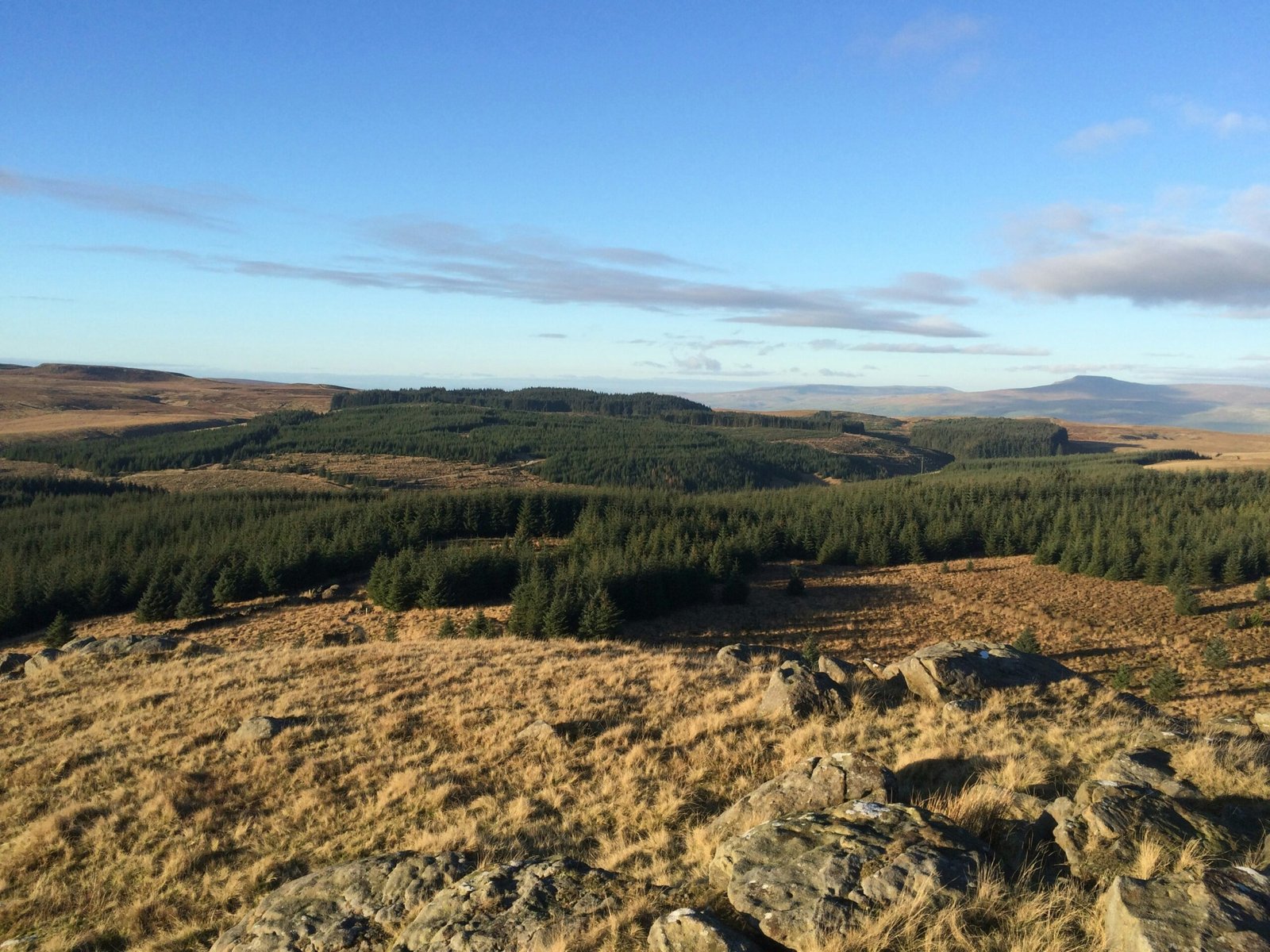

If you’re looking for the very best Lancashire coastal walks, you’ll quickly discover that this county offers far more than many people expect. From sweeping sand dunes and dramatic estuaries to peaceful ancient woodlands, hidden reservoirs and enchanting forest trails, Lancashire is one of England’s most underrated destinations for walkers and wildlife lovers.
Stretching from the expansive coastline of Morecambe Bay to the rolling hills of the Forest of Bowland National Landscape, Lancashire is packed with routes suitable for every ability. Whether you’re planning a gentle family stroll, a birdwatching adventure, a photography trip or a challenging full-day hike, there’s a walk to suit every season.
This guide combines Lancashire’s famous walking destinations with quieter hidden gems that many visitors overlook. Along the way you’ll discover coastal nature reserves, ancient woodland, peaceful lakes, spectacular viewpoints and some of the county’s richest wildlife habitats.
Why Walk in Lancashire?
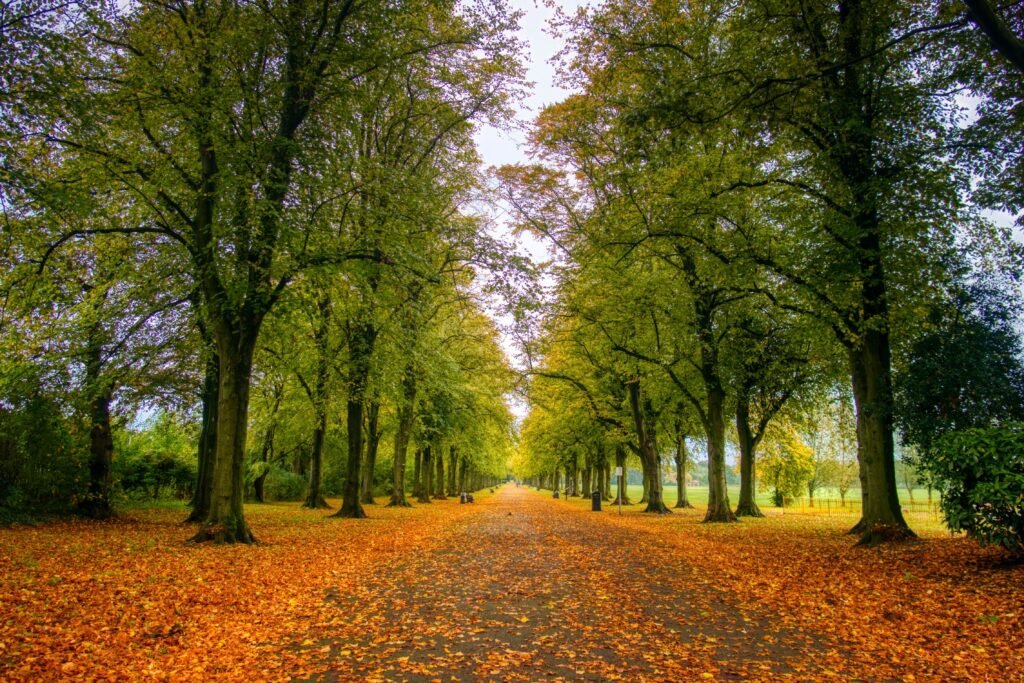
Lancashire is unique because few counties combine so many different landscapes within such a short distance.
You’ll find:
- Long sandy beaches
- Extensive dune systems
- Salt marshes rich in birdlife
- Ancient oak woodland
- Conifer forests
- Reservoirs and tranquil lakes
- Limestone hills
- Scenic river valleys
- Heather-covered moorland
- One of England’s finest Areas of Outstanding Natural Beauty, now known as the Forest of Bowland National Landscape
The county also sits on one of Britain’s major migration routes, making it a superb destination for wildlife watching throughout the year.
Wildlife You May Spot
One of the greatest rewards of exploring Lancashire’s walking trails is the wildlife.
Depending on where and when you visit, you might encounter:
Birds
- Oystercatchers
- Curlews
- Avocets
- Marsh Harriers
- Peregrine Falcons
- Little Egrets
- Grey Herons
- Kingfishers
- Nuthatches
- Great Spotted Woodpeckers
- Redstarts
- Pied Flycatchers
- Barn Owls
- Buzzards
Winter often brings thousands of pink-footed geese, knot, dunlin and whooper swans to Morecambe Bay.
Mammals
Keep an eye out for:
- Roe Deer
- Red Deer
- Brown Hare
- Otters
- Foxes
- Badgers
- Grey Seals along the coast
- Red Squirrels in carefully managed woodland areas
Butterflies and Insects
During spring and summer you’ll often see:
- Peacock Butterfly
- Red Admiral
- Speckled Wood
- Orange Tip
- Common Blue
- Emperor Dragonflies
- Broad-bodied Chasers
Many woodland flowers support important pollinators throughout the season.
Walking Responsibly
Lancashire’s landscapes are home to sensitive habitats and wildlife.
Please remember to:
- Stay on marked footpaths.
- Keep dogs under close control, particularly around livestock and ground-nesting birds.
- Leave no litter.
- Close farm gates behind you.
- Avoid disturbing seals resting on beaches.
- Watch wildlife from a respectful distance.
- Never feed wild animals.
- Take binoculars instead of trying to approach birds.
Responsible walking helps preserve these special places for future generations.
1. Arnside Knott and Silverdale Coast
Why Visit?
Although the summit lies just across the county boundary in Cumbria, much of the surrounding landscape and access from Lancashire make this one of the finest walking areas for visitors exploring northern Lancashire.
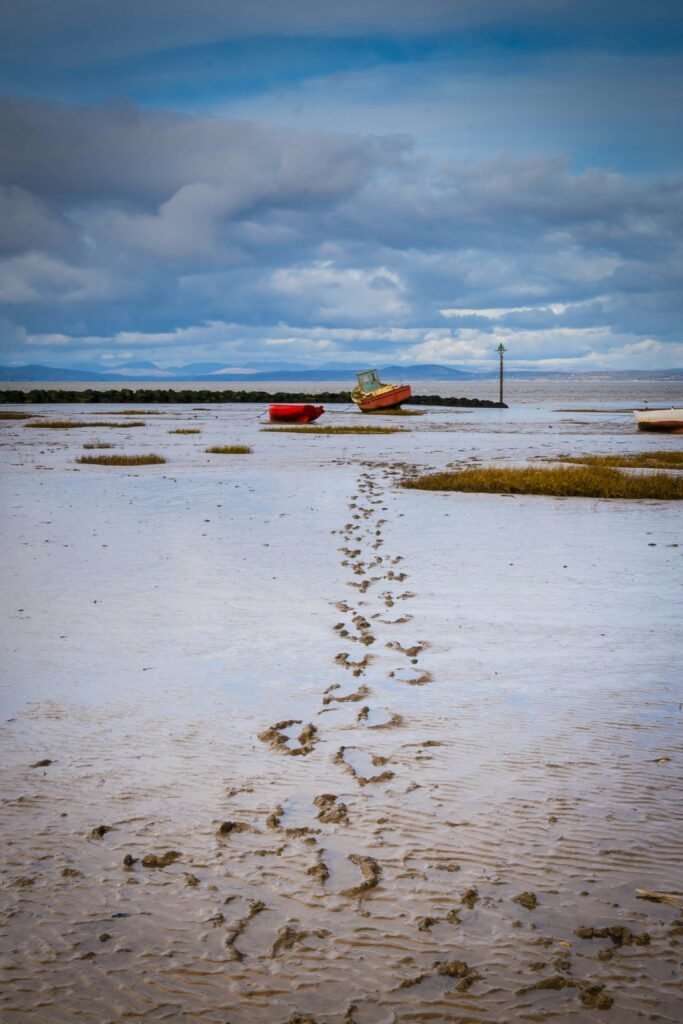
The views over Morecambe Bay are spectacular, especially during sunrise or sunset when the changing tides create shimmering reflections across the vast estuary.
Ancient woodland carpets the lower slopes while limestone pavements provide habitats for rare plants and butterflies.
Distance
Approximately 4–6 miles depending on route.
Difficulty
Moderate.
Some steeper climbs over uneven limestone but suitable for most reasonably fit walkers.
Walking Time
2–3 hours.
Parking
Free parking is available near Arnside Promenade, with additional parking around Silverdale village.
Facilities
- Cafés
- Public toilets
- Village shops
- Railway station
- Picnic areas
Wildlife Highlights
- Peregrine Falcons
- Ravens
- Roe Deer
- Butterflies
- Wildflowers
- Wading birds across Morecambe Bay
Top Tip
Visit on a clear evening when the sun sets over Morecambe Bay—the panoramic views are among the finest in North West England.
2. RSPB Leighton Moss Nature Reserve
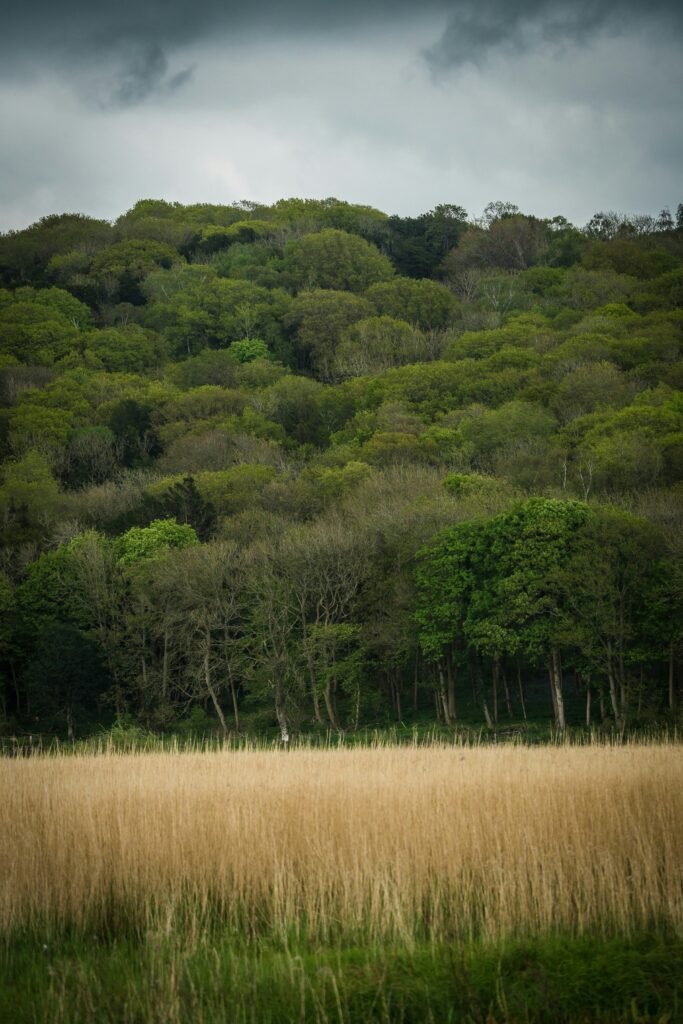
Leighton Moss is internationally recognised as one of Britain’s premier wetland reserves and offers some of Lancashire’s most rewarding accessible walks.
Boardwalks weave through extensive reedbeds where elusive wildlife thrives throughout the year.
Even if you’re not an experienced birdwatcher, the reserve is full of interest, with regular sightings from hides only a short walk apart.
Distance
Numerous circular routes from 1 to 5 miles.
Difficulty
Easy.
Flat, well-maintained paths suitable for families and many mobility aids.
Walking Time
1–3 hours.
Parking
Large visitor car park.
Facilities
- Visitor centre
- Café
- Toilets
- Shop
- Bird hides
- Picnic tables
Wildlife Highlights
- Bitterns
- Marsh Harriers
- Bearded Tits
- Otters
- Great White Egrets
- Dragonflies
Top Tip
Arrive early in spring for the best chance of hearing booming bitterns before visitor numbers increase.
3. Fairhaven Lake and Lytham Green
For walkers wanting fresh sea air without tackling difficult terrain, Fairhaven provides one of Lancashire’s most relaxing coastal walks.
Wide promenades overlook the Ribble Estuary while ornamental gardens, boating lakes and open grassland create an enjoyable route suitable for all ages.
The changing tides constantly attract large flocks of wading birds, making every visit slightly different.
Distance
3–5 miles depending on route.
Difficulty
Easy.
Completely flat.
Walking Time
1.5–2.5 hours.
Parking
Large pay-and-display car parks beside Fairhaven Lake.
Facilities
- Café
- Toilets
- Visitor information
- Children’s play area
- Ice cream kiosk
- Picnic spaces
Wildlife Highlights
- Oystercatchers
- Curlews
- Redshanks
- Brent Geese
- Little Egrets
Top Tip
Bring binoculars during high tide when birds gather close to the promenade.
4. Beacon Fell Country Park
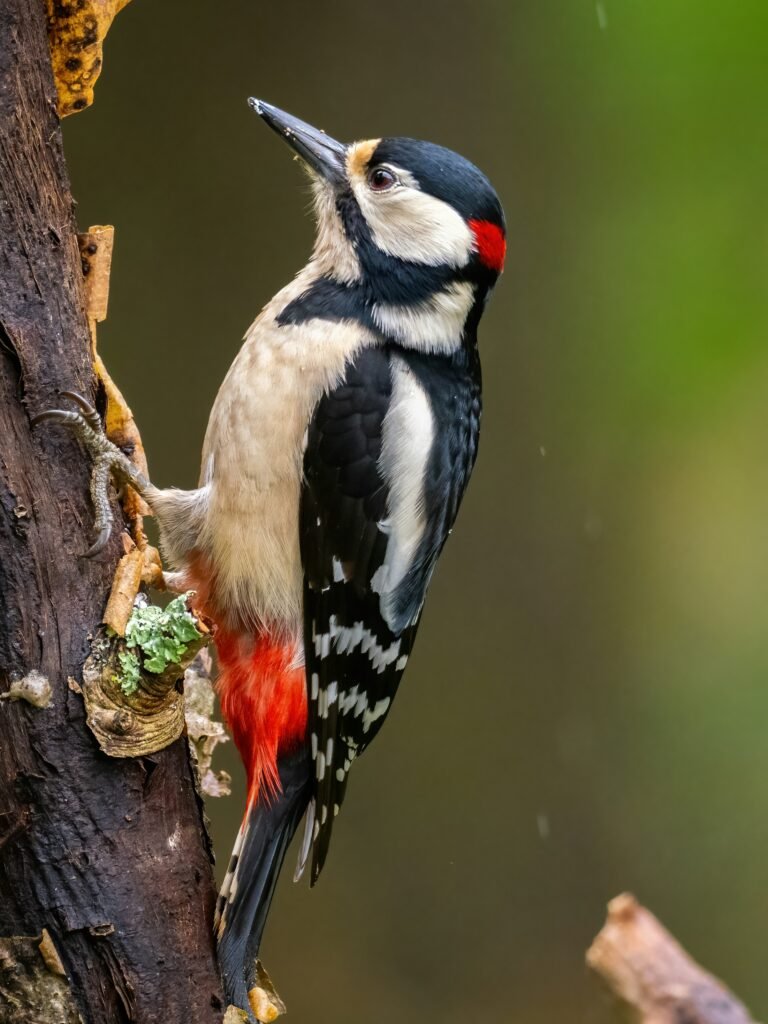
Beacon Fell is one of Lancashire’s classic woodland walking destinations.
The forest combines mature woodland, open fell, streams and excellent panoramic viewpoints stretching across the Forest of Bowland, the Yorkshire Dales and even to the Isle of Man on exceptionally clear days.
Several waymarked trails make it easy to choose a walk that matches your fitness level.
Distance
1–6 miles.
Difficulty
Easy to moderate.
Some steep woodland paths.
Walking Time
1–3 hours.
Parking
Large pay-and-display car park at the visitor centre.
Facilities
- Visitor centre
- Café
- Toilets
- Picnic area
- Children’s play trail
Wildlife Highlights
- Great Spotted Woodpeckers
- Buzzards
- Tawny Owls
- Roe Deer
- Red Foxes
Top Tip
Autumn transforms Beacon Fell into one of Lancashire’s most colourful woodland destinations.
5. Ainsdale Sand Dunes National Nature Reserve

Although often associated with neighbouring Merseyside, the northern section of this remarkable dune system is an excellent destination for visitors exploring southern Lancashire’s coastline.
Miles of sandy paths wind through one of Britain’s richest dune habitats, where orchids, butterflies and rare amphibians thrive.
The open landscape offers a completely different walking experience from Lancashire’s forests and hills.
Distance
3–7 miles.
Difficulty
Easy.
Soft sand can make sections more demanding.
Walking Time
2–3 hours.
Parking
National Nature Reserve car parks with seasonal charges.
Facilities
- Toilets (seasonal)
- Café nearby
- Beach access
- Picnic areas
Wildlife Highlights
- Natterjack Toads
- Sand Lizards
- Skylarks
- Linnets
- Bee Orchids
- Grayling Butterflies
Top Tip
Late June and early July are superb months for wildflowers, butterflies and warm evening walks through the dunes.
6. Gisburn Forest and Stocks Reservoir
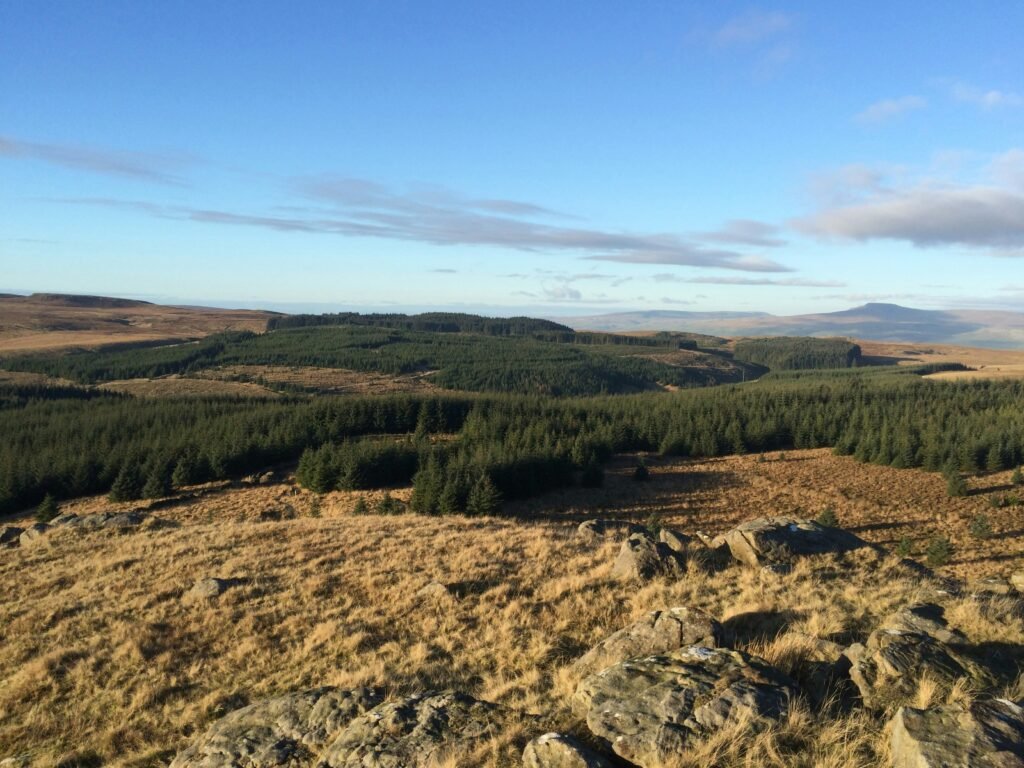
Nestled within the western edge of the Forest of Bowland National Landscape, Gisburn Forest is one of Lancashire’s finest woodland destinations. Covering thousands of acres of commercial and native woodland, it offers everything from peaceful lakeside walks to adventurous hiking trails.
The combination of towering conifers, broadleaf woodland, open moorland and the picturesque Stocks Reservoir makes this an exceptional location for nature lovers and photographers alike. Early mornings are especially magical when mist hangs over the water and sunlight filters through the trees.
Distance
- Short circular route: 2.5 miles (4 km)
- Reservoir circuit: 6 miles (9.5 km)
- Extended forest walks: up to 10 miles (16 km)
Difficulty
Easy to Moderate.
Some forestry tracks are gently undulating, while longer routes include steeper climbs.
Walking Time
1.5–4 hours depending on route.
Parking
Main Forestry England car park at Gisburn Forest Hub (pay and display). Additional parking is available near Stocks Reservoir.
Facilities
- Café (seasonal opening hours)
- Visitor information
- Public toilets
- Picnic tables
- Mountain bike centre
- Forest play area
Wildlife Highlights
- Roe Deer
- Buzzards
- Crossbills
- Siskins
- Great Spotted Woodpeckers
- Redstarts
- Treecreepers
- Dragonflies around the reservoir
Top Tip
Visit during autumn when the surrounding woodland bursts into shades of gold, amber and crimson. The calm waters of Stocks Reservoir often provide stunning reflections for photographers.
7. Brock Bottoms and the River Hodder
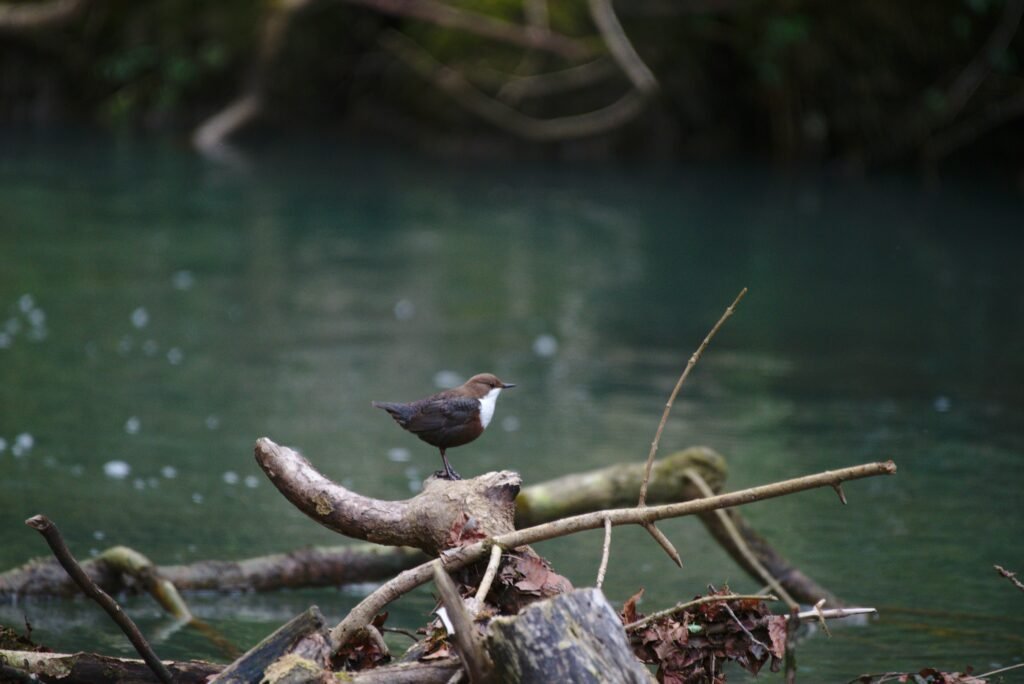
Hidden away in the Hodder Valley, Brock Bottoms is one of Lancashire’s most peaceful woodland walks. Despite being loved by locals, many visitors exploring the county overlook this beautiful riverside location.
Ancient woodland hugs the banks of the River Hodder, while stepping stones, shallow pools and gently flowing water create a wonderfully tranquil atmosphere. During spring, carpets of bluebells transform the woodland floor into a sea of colour.
This is a perfect walk for families, wildlife enthusiasts and anyone seeking a quieter alternative to the county’s more popular beauty spots.
Distance
2–5 miles depending on your chosen route.
Difficulty
Easy.
Mostly level woodland paths with occasional muddy sections after heavy rain.
Walking Time
1–2.5 hours.
Parking
Small free National Landscape car park at Brock Bottoms. Arriving early is recommended during weekends.
Facilities
- Picnic area
- Riverside seating
No toilets or cafés on site, so it’s worth bringing refreshments.
Wildlife Highlights
- Dippers
- Grey Wagtails
- Kingfishers
- Otters (occasionally)
- Roe Deer
- Woodpeckers
- Bluebells in spring
Top Tip
Bring a small picnic and spend time beside the river. It’s one of Lancashire’s most peaceful spots to simply sit and enjoy the sounds of nature.
8. Wyre Estuary Country Park
The Wyre Estuary Country Park offers a completely different landscape, where woodland meets tidal mudflats and saltmarsh. Situated close to Fleetwood, this hidden gem provides fantastic birdwatching throughout the year.
The estuary constantly changes with the tides, revealing vast mudflats filled with feeding waders before becoming a broad expanse of water again just a few hours later.
The park’s network of easy walking trails makes it ideal for families and casual walkers.
Distance
2–5 miles.
Difficulty
Easy.
Well-maintained paths suitable for most visitors.
Walking Time
1–2 hours.
Parking
Free visitor car park near the country park entrance.
Facilities
- Visitor centre
- Café (seasonal)
- Toilets
- Picnic area
- Children’s play area
Wildlife Highlights
- Avocets
- Curlews
- Shelducks
- Little Egrets
- Marsh Harriers
- Skylarks
- Brown Hares
Top Tip
Visit at high tide when many wading birds gather close to the viewing areas, providing excellent photography opportunities.
9. Trough of Bowland and Langden Valley
No guide to Lancashire would be complete without the spectacular Trough of Bowland. While many visitors simply drive through this dramatic landscape, taking time to explore on foot reveals peaceful valleys, rushing streams, ancient woodland and breathtaking viewpoints.
One of the finest walks begins in Langden Valley, following the river through open countryside before climbing gently towards the surrounding fells.
Despite Bowland’s growing popularity, this particular route remains surprisingly quiet compared to many National Parks.
Distance
5–9 miles.
Difficulty
Moderate.
Good fitness is recommended due to gradual climbs and uneven terrain.
Walking Time
3–5 hours.
Parking
Free parking at Langden Intake car park.
Facilities
There are no facilities along the walk, so carry food and plenty of water.
Nearby villages such as Dunsop Bridge offer cafés and public toilets.
Wildlife Highlights
- Hen Harriers (occasionally)
- Curlews
- Golden Plovers
- Meadow Pipits
- Red Grouse
- Mountain Hares (rare)
- Red Deer
Top Tip
Visit at sunrise during late summer when the valleys are often filled with mist beneath the surrounding hills.
10. Roddlesworth Reservoirs and Tockholes Woodland
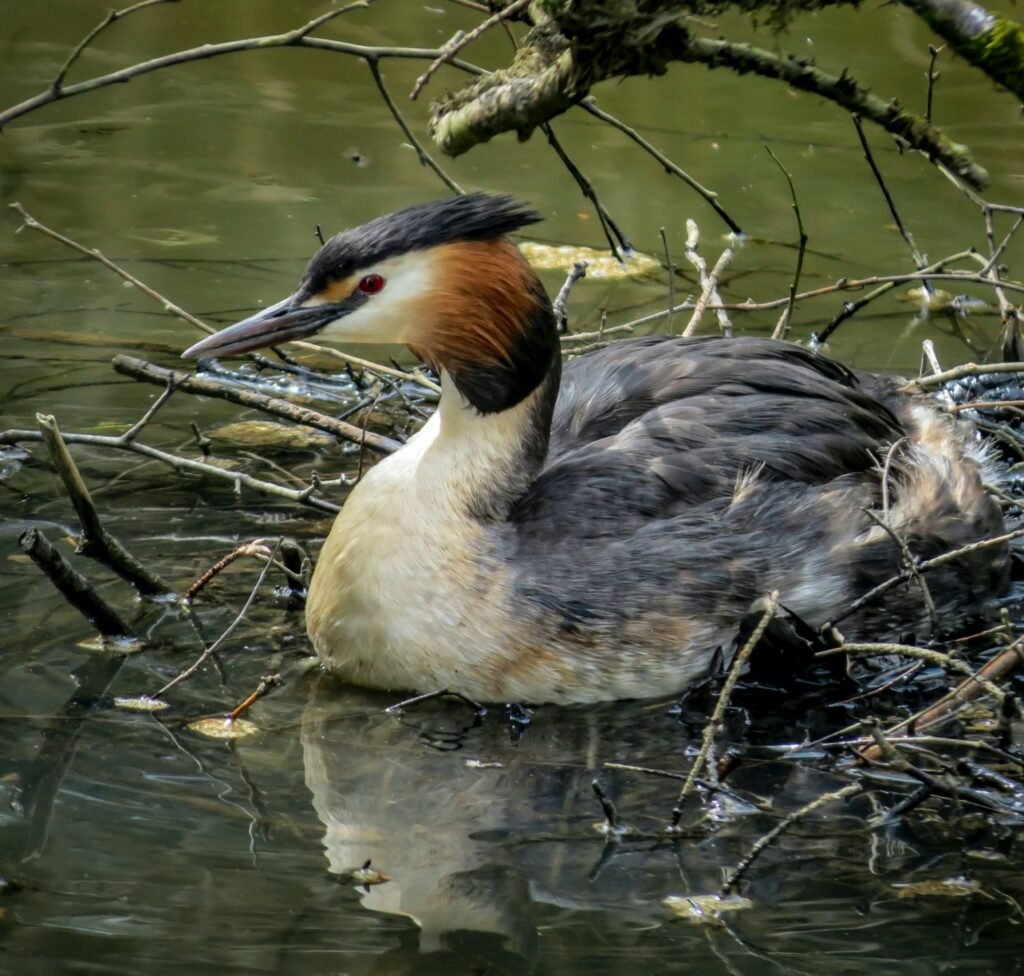
One of Lancashire’s true hidden gems, the Roddlesworth Reservoirs lie just outside the village of Tockholes. This beautiful network of woodland paths, reservoirs and quiet valleys offers wonderful walking throughout the year.
Several interconnected reservoirs are linked by easy trails beneath mature woodland, making this one of the county’s most relaxing walks.
Autumn is particularly spectacular, with colourful leaves reflected in the still water.
Distance
3–7 miles.
Difficulty
Easy to Moderate.
Mostly wide woodland tracks with a few gentle inclines.
Walking Time
2–3 hours.
Parking
Free parking at Roddlesworth Information Centre and Tockholes village.
Facilities
- Visitor information
- Public toilets (limited seasonal opening)
- Picnic area
Several excellent village pubs and cafés are only a short drive away.
Wildlife Highlights
- Grey Herons
- Mandarin Ducks
- Nuthatches
- Treecreepers
- Great Crested Grebes
- Roe Deer
- Foxes
Top Tip
Walk the route in late October for some of the finest autumn colours anywhere in Lancashire.
Hidden Gem Spotlight: Oakenclough and Bleasdale
If you’re looking to escape almost everyone else, venture into the quiet countryside surrounding Oakenclough and Bleasdale. This little-visited corner of the Forest of Bowland National Landscape is criss-crossed by peaceful footpaths through rolling farmland, ancient woodland and secluded valleys.
The scenery may not be as dramatic as the Trough of Bowland, but the tranquillity more than makes up for it. Walkers are more likely to encounter grazing sheep, soaring buzzards and the occasional roe deer than large crowds.
Small streams, traditional stone walls and panoramic views across the Bowland fells make this an excellent destination for anyone wanting to experience Lancashire’s quieter side.
Parking
Limited roadside parking is available near Bleasdale Circle and Oakenclough village. Please park responsibly without blocking farm entrances.
Facilities
There are very few facilities, so bring everything you need for the day.
Best Time to Visit
Late spring and early summer provide colourful wildflower meadows, while autumn offers peaceful woodland scenery with very few visitors.
11. Morecambe Promenade and Stone Jetty
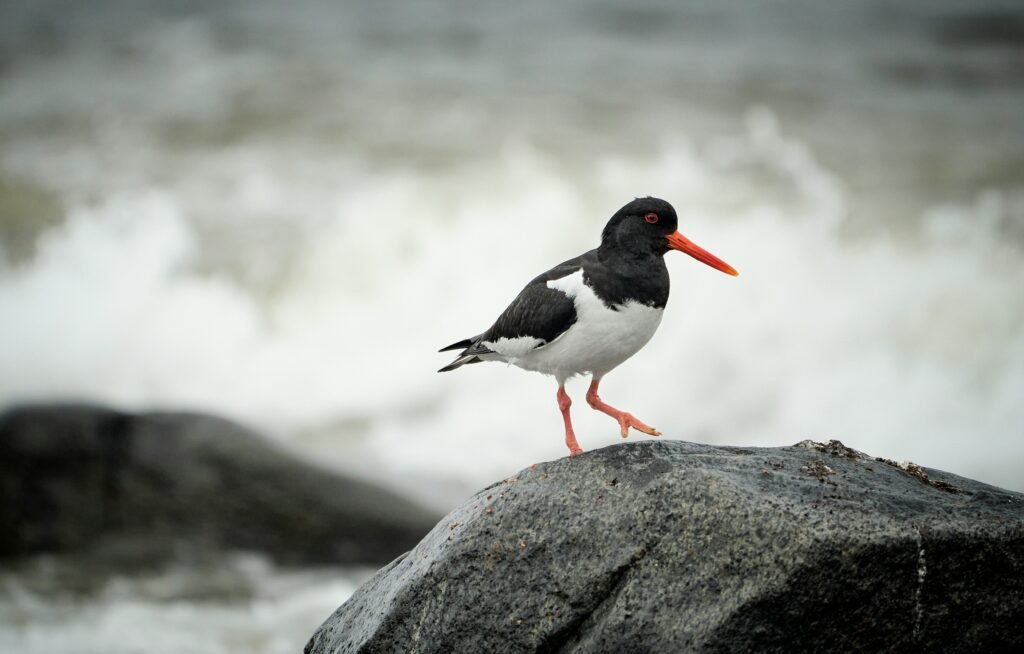
Morecambe has undergone a remarkable transformation in recent years and its long seafront is now one of the finest places to enjoy an accessible coastal walk in north-west England. Stretching for miles along Morecambe Bay, the promenade offers ever-changing views across the water towards the Lake District fells.
The historic Stone Jetty extends into the bay, providing excellent opportunities to watch seabirds, admire sunsets and experience the huge tidal range for which Morecambe Bay is famous.
Distance
3–6 miles (5–10 km), depending on how far you choose to walk.
Difficulty
Easy.
Completely flat, paved and suitable for pushchairs and wheelchairs.
Walking Time
1.5–3 hours.
Parking
Large pay-and-display car parks along Marine Road and near the Stone Jetty.
Facilities
- Public toilets
- Cafés and restaurants
- Ice cream kiosks
- Shops
- Picnic benches
- Visitor information
- Accessible routes
Wildlife Highlights
- Oystercatchers
- Turnstones
- Curlews
- Eider Ducks
- Little Egrets
- Cormorants
- Wintering geese
Top Tip
Time your visit to coincide with sunset. The combination of the Lake District skyline and the changing colours across Morecambe Bay creates one of Lancashire’s most photographed landscapes.
12. Nicky Nook Circular Walk
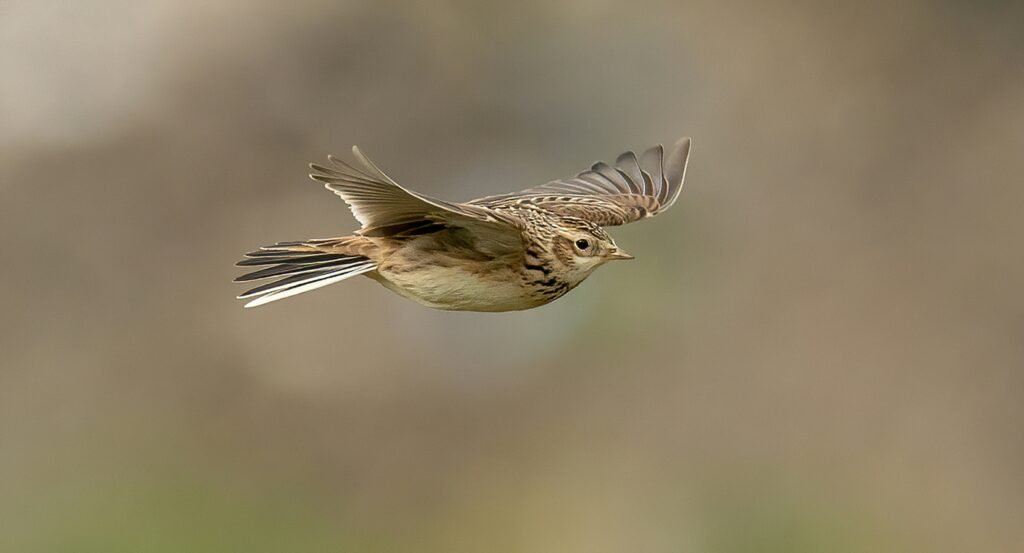
Despite its modest height, Nicky Nook provides one of the finest viewpoints in the Forest of Bowland National Landscape.
The walk combines peaceful woodland, open farmland and heather-covered hills before reaching the summit, where panoramic views stretch across the Fylde Coast, Bowland Fells and, on exceptionally clear days, as far as Snowdonia.
Distance
4–5 miles (6.5–8 km)
Difficulty
Moderate.
A steady climb with uneven sections near the summit.
Walking Time
2–3 hours.
Parking
Free roadside parking near Scorton village and at nearby walking lay-bys.
Facilities
Scorton village offers:
- Cafés
- Traditional pubs
- Public toilets
- Village shop
Wildlife Highlights
- Skylarks
- Meadow Pipits
- Buzzards
- Brown Hares
- Curlews
- Kestrels
Top Tip
Visit in late August when the surrounding heather begins to flower, adding beautiful purple tones to the landscape.
13. Beacon Fell Summit Trail
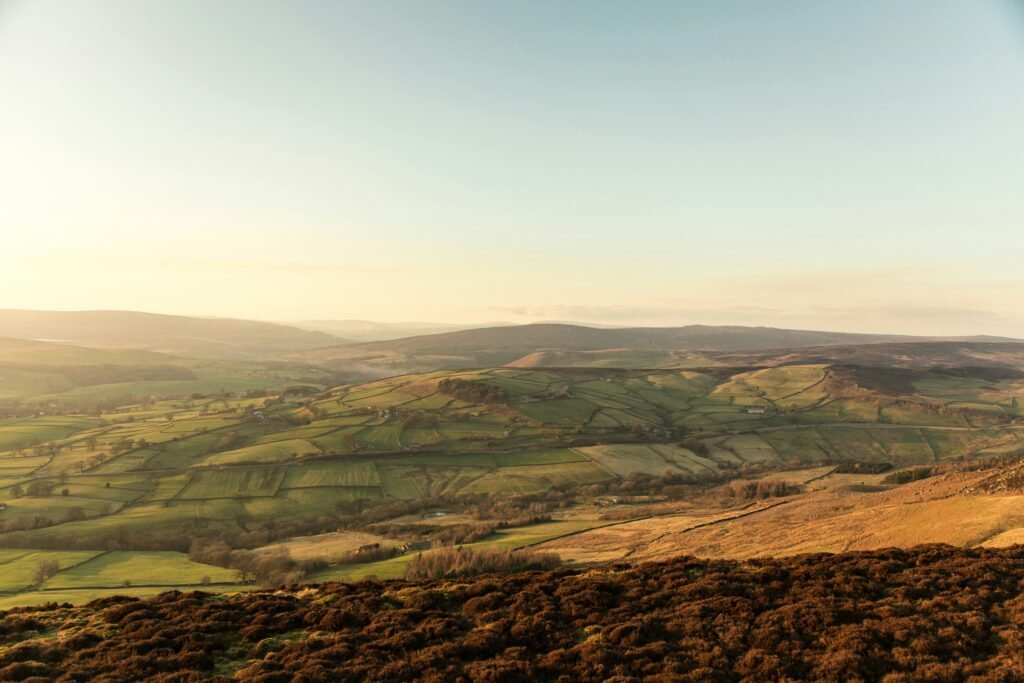
Although Beacon Fell featured earlier in this guide, many visitors never complete the full summit trail, instead remaining close to the visitor centre.
Following the higher paths rewards walkers with spectacular views across Lancashire, the Yorkshire Dales, Morecambe Bay and even the Isle of Man during exceptionally clear conditions.
Distance
5 miles (8 km)
Difficulty
Moderate.
Some steep woodland climbs.
Walking Time
2.5–3 hours.
Parking
Beacon Fell Country Park main car park.
Facilities
- Visitor centre
- Café
- Toilets
- Picnic areas
- Children’s play area
Wildlife Highlights
- Great Spotted Woodpeckers
- Tawny Owls
- Roe Deer
- Red Foxes
- Woodland butterflies
Top Tip
Early mornings offer the quietest walking conditions and the best chance of seeing deer feeding along the woodland edges.
14. Lune Estuary Path
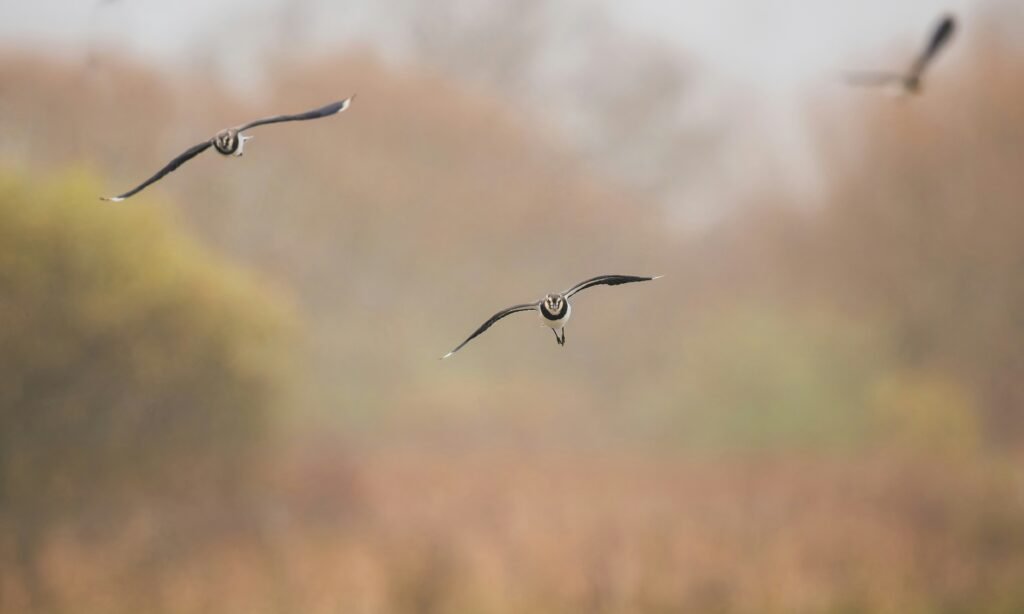
The Lune Estuary is often overlooked by visitors heading directly to Morecambe, yet it offers some of Lancashire’s finest estuary scenery.
The path follows peaceful embankments, saltmarshes and riverside habitats rich in birdlife. It’s particularly rewarding during migration periods when thousands of birds stop to feed.
Distance
4–7 miles (6–11 km)
Difficulty
Easy.
Mostly flat with well-maintained paths.
Walking Time
2–3 hours.
Parking
Parking is available near Glasson Dock and Conder Green.
Facilities
- Café
- Public toilets
- Picnic area
- Marina facilities
Wildlife Highlights
- Avocets
- Lapwings
- Curlews
- Marsh Harriers
- Little Egrets
- Grey Herons
Top Tip
Bring binoculars and check tide times before visiting, as bird activity changes dramatically throughout the day.
15. Turbary Woods Owl and Woodland Walk
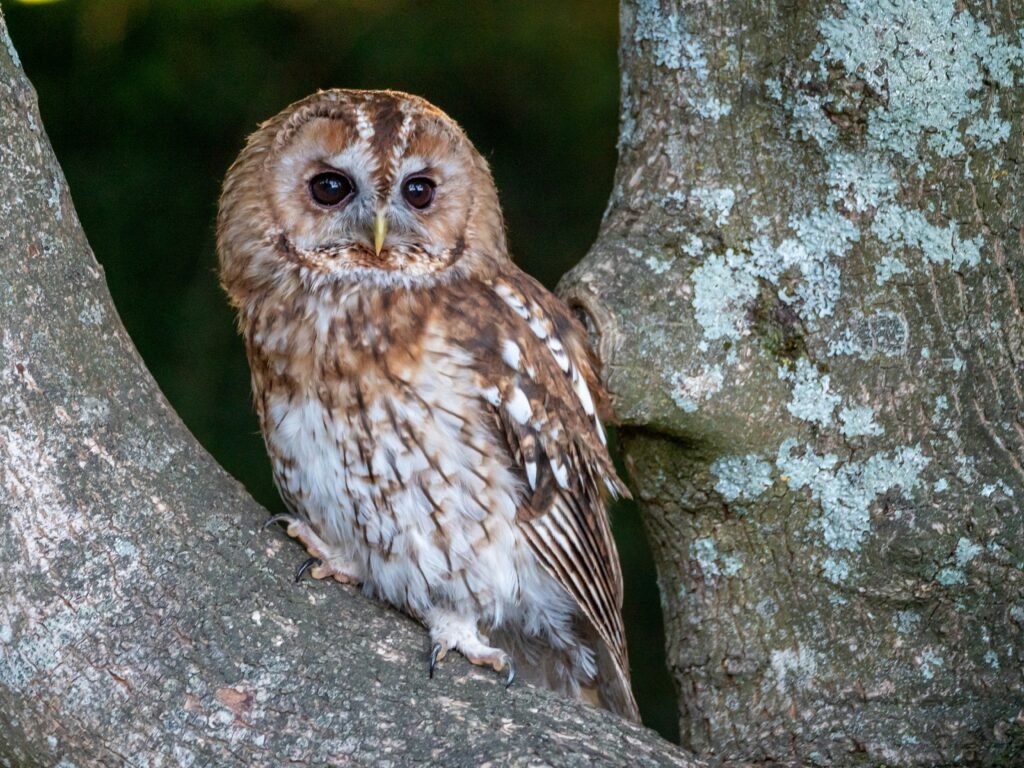
One of Lancashire’s lesser-known woodland gems, Turbary Woods combines peaceful woodland with conservation work focused on birds of prey and native habitats.
While many visitors come to visit the owl sanctuary, the surrounding woodland trails provide an enjoyable walk through mature trees alive with birdsong during spring and summer.
Distance
1.5–3 miles (2.5–5 km)
Difficulty
Easy.
Suitable for most ages.
Walking Time
1–2 hours.
Parking
Free on-site parking.
Facilities
- Visitor centre
- Toilets
- Refreshments (seasonal)
- Picnic area
Wildlife Highlights
- Tawny Owls
- Long-eared Owls
- Woodpeckers
- Nuthatches
- Treecreepers
- Grey Squirrels
Top Tip
Combine your woodland walk with one of the owl flying demonstrations if available during your visit.
Best Lakes and Reservoirs to Visit in Lancashire
Although Lancashire isn’t famous for natural lakes in the same way as neighbouring Cumbria, it has several beautiful reservoirs and waterside locations that are perfect for walking and wildlife watching.
Stocks Reservoir
The largest reservoir in the Forest of Bowland, surrounded by forest and moorland. Excellent for longer circular walks, birdwatching and autumn photography.
Best for
- Wildlife
- Forest scenery
- Reflections
- Peace and quiet
Fairhaven Lake
A coastal boating lake overlooking the Ribble Estuary, ideal for families, birdwatchers and gentle walks.
Best for
- Accessible walking
- Families
- Wading birds
- Café stops
Roddlesworth Reservoirs
A chain of reservoirs surrounded by mature woodland, particularly beautiful during autumn.
Best for
- Woodland walks
- Photography
- Relaxing half-day outings
Entwistle Reservoir
A peaceful reservoir close to the Lancashire border with wide woodland trails and excellent opportunities to spot woodland birds.
Best for
- Quiet walks
- Running
- Dog walking
- Autumn colours
Hurstwood Reservoir
Situated beneath Pendle Hill, this picturesque reservoir offers beautiful views and easy access to surrounding countryside.
Best for
- Scenic picnics
- Short walks
- Landscape photography
When Is the Best Time to Visit?
Spring (March–May)
Woodland flowers, bluebells, returning migrant birds and pleasant walking temperatures.
Summer (June–August)
Long daylight hours, coastal walks, butterflies and colourful wildflower meadows.
Autumn (September–November)
Perhaps Lancashire’s finest season, with woodland colours, rutting deer in some areas and large numbers of migrating birds.
Winter (December–February)
Excellent birdwatching along Morecambe Bay and the Ribble Estuary, with dramatic coastal scenery and far fewer visitors.
Essential Tips for Walking in Lancashire
- Check weather forecasts before heading onto higher ground.
- Wear waterproof footwear, as woodland paths can become muddy after rain.
- Carry binoculars for wildlife watching.
- Download offline maps if walking in remote areas of the Forest of Bowland.
- Keep dogs under close control around livestock and nesting birds.
- Respect private farmland by sticking to public rights of way.
- Always check tide times before walking near Morecambe Bay, the Ribble Estuary or other tidal areas, as incoming tides can move quickly and some areas are hazardous.
Frequently Asked Questions
What is the best coastal walk in Lancashire?
The Morecambe Promenade and Stone Jetty is one of the county’s best coastal walks, offering spectacular views across Morecambe Bay, excellent accessibility and fantastic birdwatching opportunities.
Which Lancashire walk is best for wildlife?
RSPB Leighton Moss is arguably the best destination for wildlife enthusiasts, with opportunities to see bitterns, marsh harriers, otters and a huge variety of wetland birds.
Where can I enjoy peaceful woodland walks?
Gisburn Forest, Brock Bottoms, Roddlesworth Reservoirs and Turbary Woods all offer beautiful woodland trails away from the busiest tourist hotspots.
Which walks are suitable for beginners?
Fairhaven Lake, Morecambe Promenade, Wyre Estuary Country Park and Leighton Moss all provide relatively flat, well-maintained routes that are ideal for beginners and families.
Final Thoughts
Whether you’re exploring windswept beaches, peaceful forests, quiet reservoirs or internationally important nature reserves, Lancashire offers an astonishing variety of walking experiences. From the dramatic coastline of Morecambe Bay to the tranquil woodlands of the Forest of Bowland National Landscape, there’s always another path waiting to be explored.
Many of the locations featured in this guide reward repeat visits throughout the year, with changing wildlife, seasonal colours and ever-shifting coastal landscapes ensuring that no two walks are quite the same. So lace up your boots, pack a camera and binoculars, and discover why Lancashire deserves its place among England’s finest counties for nature and walking adventures.
Please read our other county based articles: