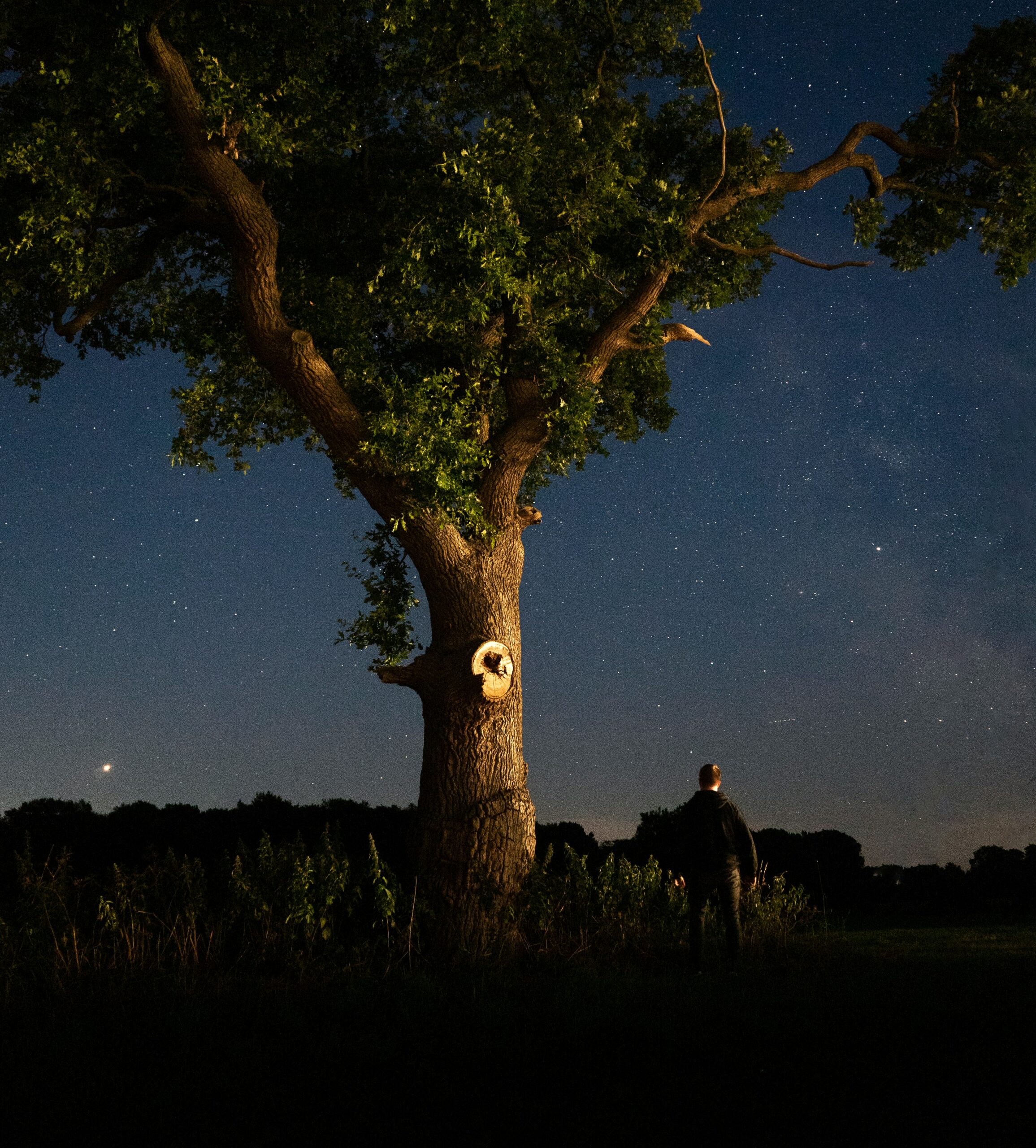

If you’re serious about spotting wildlife after dark, investing in the right night vision gear UK wildlife enthusiasts rely on can completely transform what you see. From hedgehogs in your garden to deer at woodland edges, modern night vision technology allows you to observe nocturnal behaviour without disturbance—something traditional torches simply can’t achieve.
But not all night vision is equal. The best choice depends on where you’ll use it, what species you want to see, and how much clarity you actually need.
When to Use Night Vision Gear
Night vision isn’t just for pitch-black conditions—it shines in:
- Dusk & dawn – when many UK species are most active
- Woodland & dense hedgerows – low light even before sunset
- Open fields at night – scanning for mammals like deer or foxes
- Garden wildlife watching – hedgehogs, badgers, owls
Infrared (IR) illumination allows visibility even in complete darkness without disturbing animals, as it’s invisible to them.
UK Wildlife You Can See at Night
With the right setup, you could spot species such as:
- Hedgehogs
- Foxes
- Badgers
- Roe & fallow deer
- Owls (barn, tawny)
- Bats (movement detection more than detail)
- Stoats & weasels
- Rabbits & hares
Types of Night Vision Explained
1. Digital Night Vision (Best for beginners)
- Uses sensors + IR light
- Works in total darkness
- Often records video/photos
Pros: Affordable, versatile, easy
Cons: Slight lag, less natural image
Ideal for: gardens, casual wildlife watching
2. Image Intensifier (Gen 1–3)
- Amplifies ambient light (moon/stars)
- Classic green-tinted image
Pros: Natural movement, no lag
Cons: Expensive, struggles in full darkness without IR
Ideal for: rural areas with some ambient light
3. Thermal Imaging (Game changer)
- Detects heat, not light
Pros: Works through darkness, fog, light cover
Cons: No fine detail (you see shapes, not features)
Ideal for: locating animals first, then switching to optics
Key Buying Considerations
Clarity & Resolution
- Budget digital: usable but grainy
- Mid-range: clear shapes + movement
- Premium: near daylight-level detail
Higher resolution sensors dramatically improve wildlife identification.
Detection Range
- Garden use: 50–150m
- Woodland edges: 150–300m
- Open land: 300m+
Magnification
- Low (1–4x): best for scanning
- High (5–10x): detail, but harder to stabilise
IR Illuminator Strength
- 850nm = brighter image (slight red glow visible)
- 940nm = more discreet but dimmer
Battery Life
- Look for 8–16 hours if doing long evenings
Weatherproofing
UK conditions demand water resistance and fog-proofing
Best Night Vision Gear (UK Wildlife Watching)
Best overall (affordable & reliable)
Nightfox Ember Night Vision Binoculars
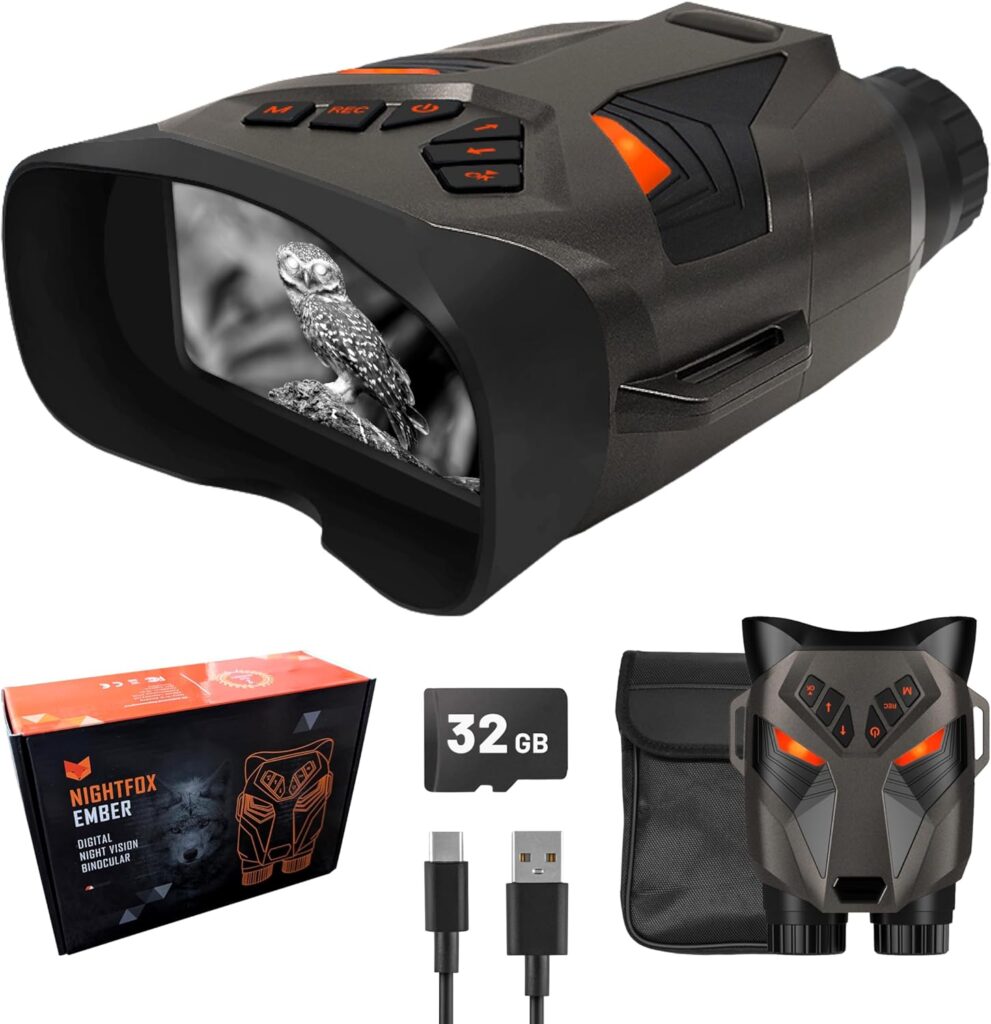
£99.99
- Designed in the UK
- Automatic IR activation
- Comfortable binocular viewing
- Great balance of price and usability
A strong choice for most people starting out
Best budget option
Digital Night Vision Monocular 1080P
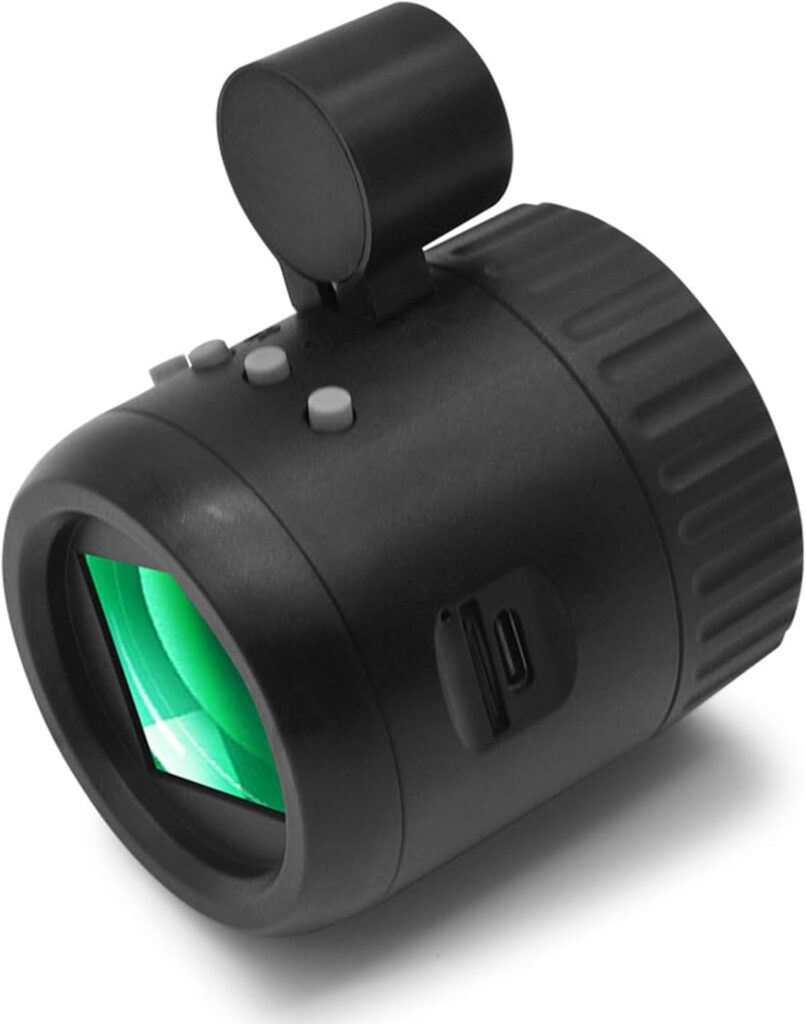
£49.79
Ultra-budget monocular with basic night visibility and long-range zoom for casual use.
- Very affordable entry point
- Lightweight and portable
- Decent for garden wildlife
Expect lower clarity and build quality
Best mid-range digital clarity
4K Night Vision Binoculars Infrared 8X Zoom ·
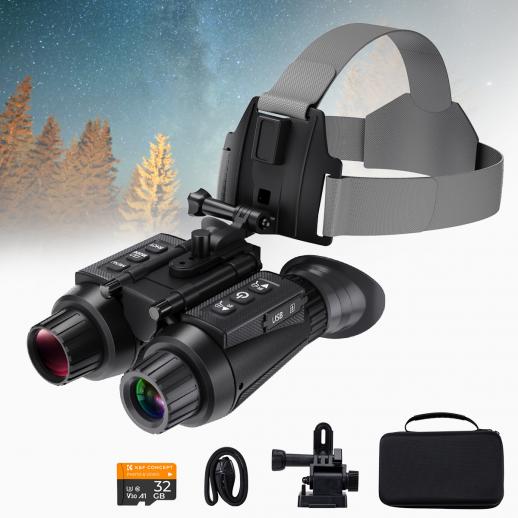
£163.99
High-resolution digital binoculars with 4K recording and strong IR for clearer wildlife viewing.
- 4K sensor improves detail
- Good for identifying species
- Recording capability
Best for detecting animals (thermal)
HIK Micro Lynx 6mm Thermal Monocular Scope ·
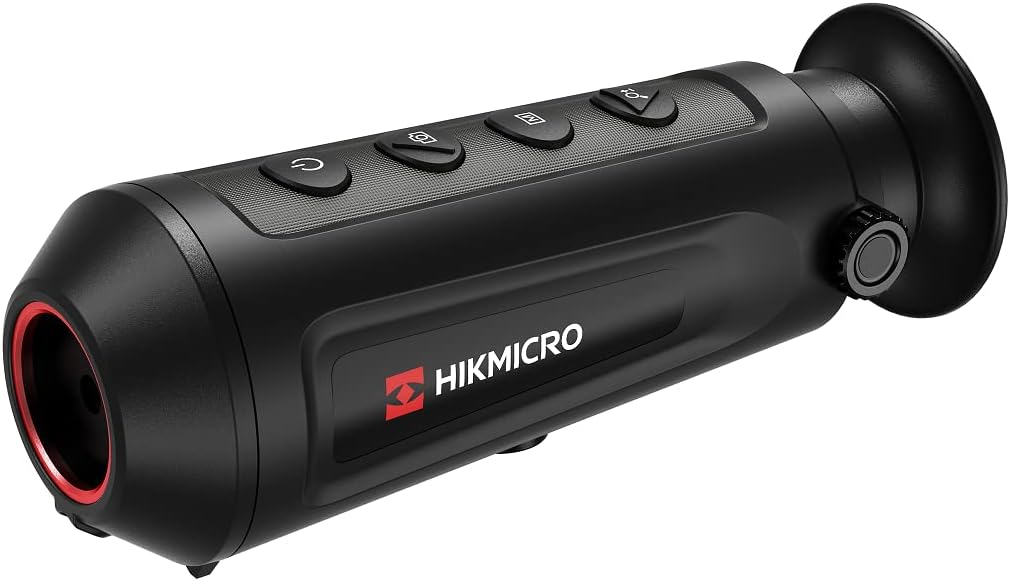
£299.00
Compact thermal monocular that detects heat signatures instantly, ideal for spotting hidden wildlife.
- Instantly spots animals in darkness
- Works through light vegetation
- Compact and fast to use
Pair with binoculars for full experience
Premium enthusiast option
TOPDON TS004 Thermal Imaging Monocular ·
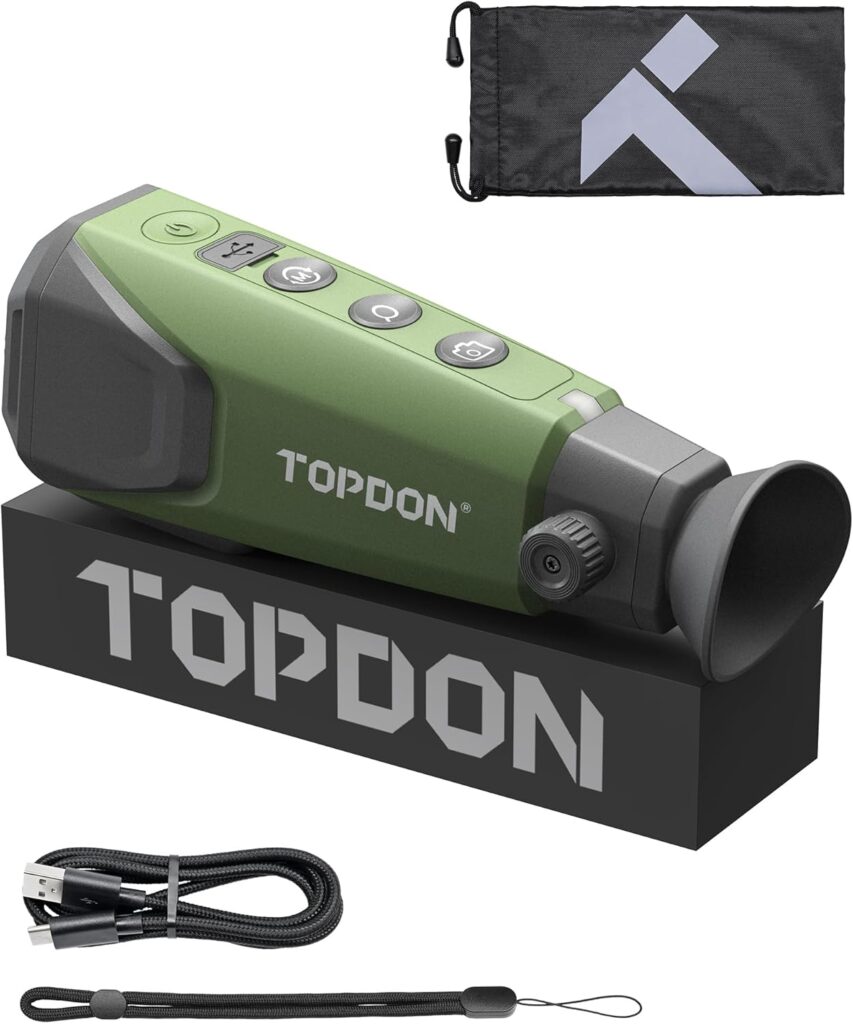
£389.94
Higher-end thermal monocular with improved range and sensitivity for serious wildlife observation.
- Better thermal sensitivity
- Longer detection range
- More detailed heat mapping
Product Comparison Table
| Feature | Nightfox Ember Night Vision Binoculars | Digital Night Vision Monocular 1080P | 4K Night Vision Binoculars | HIK Micro Lynx Thermal Monocular | TOPDON TS004 Thermal Monocular |
|---|---|---|---|---|---|
| Type | Digital binocular | Digital monocular | Digital binocular | Thermal | Thermal |
| Best use | General wildlife | Budget/garden | Clear ID & recording | Spotting animals | Advanced detection |
| Image detail | Medium | Low | High | Low detail | Medium |
| Works in total darkness | Yes | Yes | Yes | Yes | Yes |
| Detection ability | Visual only | Visual only | Visual only | Heat detection | Heat detection |
| Ease of use | Very easy | Very easy | Easy | Easy | Intermediate |
| Price level | ££ | £ | ££ | £££ | ££££ |
British Brands & Global Options
- Nightfox (UK) – excellent entry-level gear
- WULF Optics (UK distributed) – affordable digital options
- HIKMICRO – strong thermal performance
- Bushnell – reliable global optics
- Pulsar – premium thermal systems
What’s Actually Worth It?
- Casual wildlife watcher: budget digital monocular
- Serious hobbyist: mid-range digital binoculars
- Best experience: thermal + digital combo
- Professional-level: high-end thermal
The biggest upgrade isn’t magnification—it’s sensor quality and detection capability
Final Thoughts
Night vision gear has become far more accessible, and for UK wildlife lovers, it opens up an entirely different world. Whether you’re quietly watching badgers or scanning fields for deer, choosing the right tool comes down to one thing:
Do you want to find animals—or see them clearly?
The best setups do both.
Read our other gear guides: