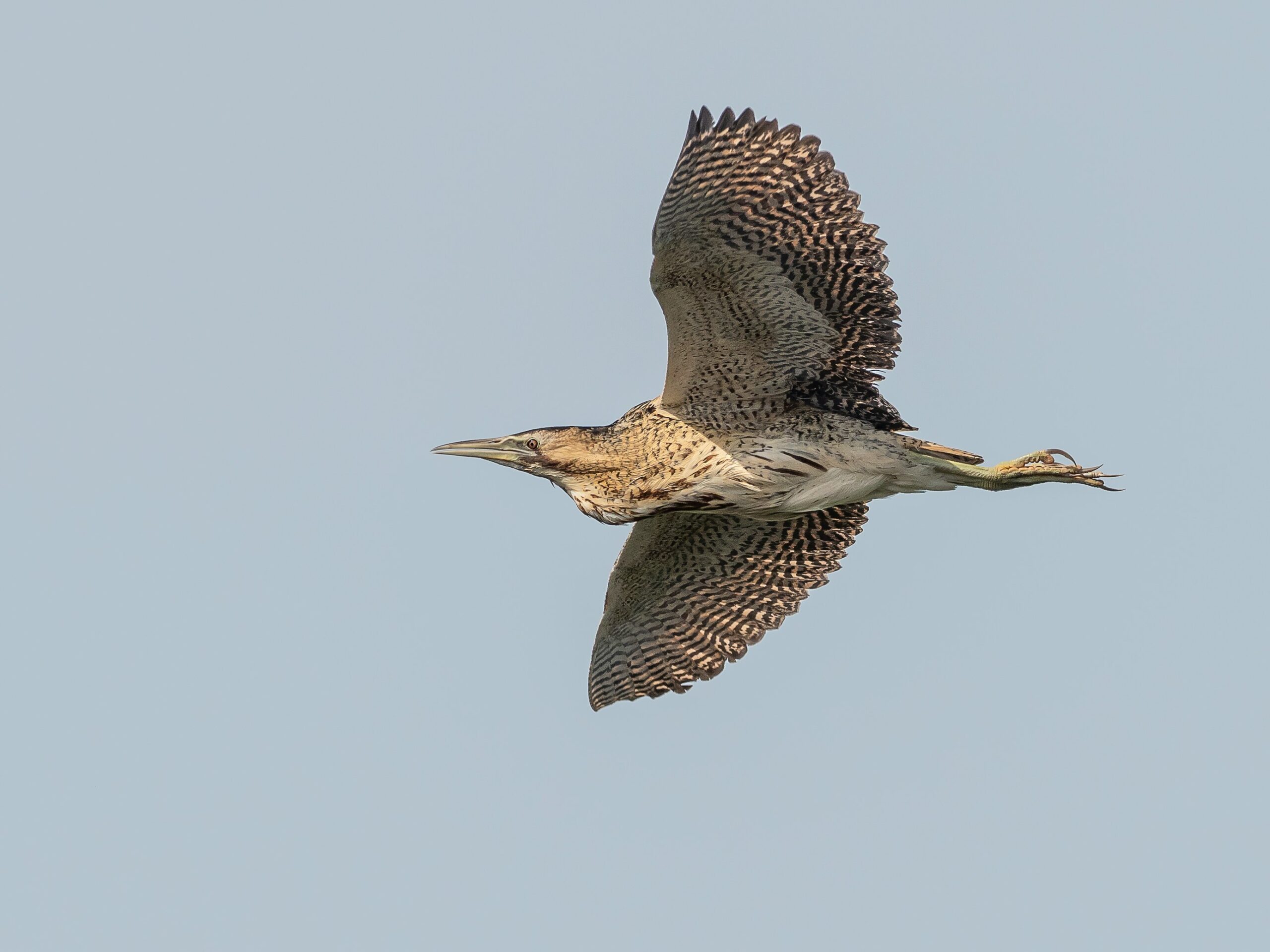

If you’re searching for the very best Norfolk Beaches & Wildlife Reserves, you’re in for something special. This stretch of England’s east coast blends vast sandy beaches, salt marshes, dunes, and internationally important nature reserves—perfect for walkers, wildlife lovers, and anyone craving quieter, wilder coastal escapes.
From iconic seals at Blakeney to hidden coves and peaceful marsh trails, here are 15 of the best spots—complete with access tips, parking, and what to expect.
1. Holkham Beach & Nature Reserve
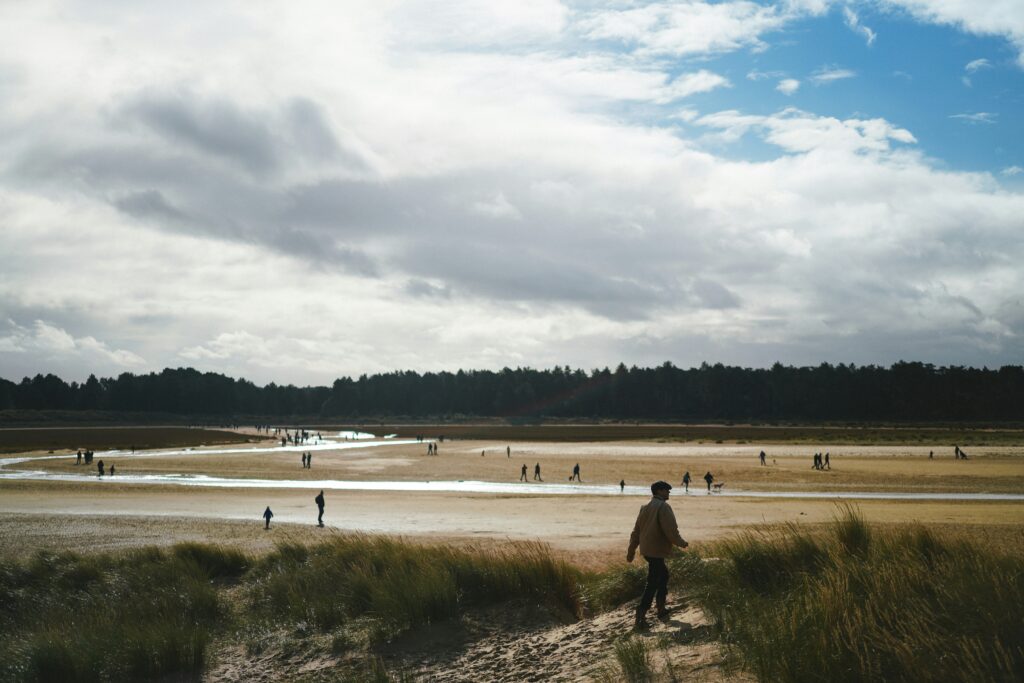
- Why go: Huge, unspoilt sands backed by dunes and pinewoods
- Wildlife: Shorebirds, deer in nearby parkland
- Parking: Lady Anne’s Drive car park (paid)
- Walk: 10–20 mins to beach; flat and easy
- Facilities: Café, toilets, seasonal food vans
- Tip: Go early or late—this place gets busy in summer
2. Blakeney Point Nature Reserve
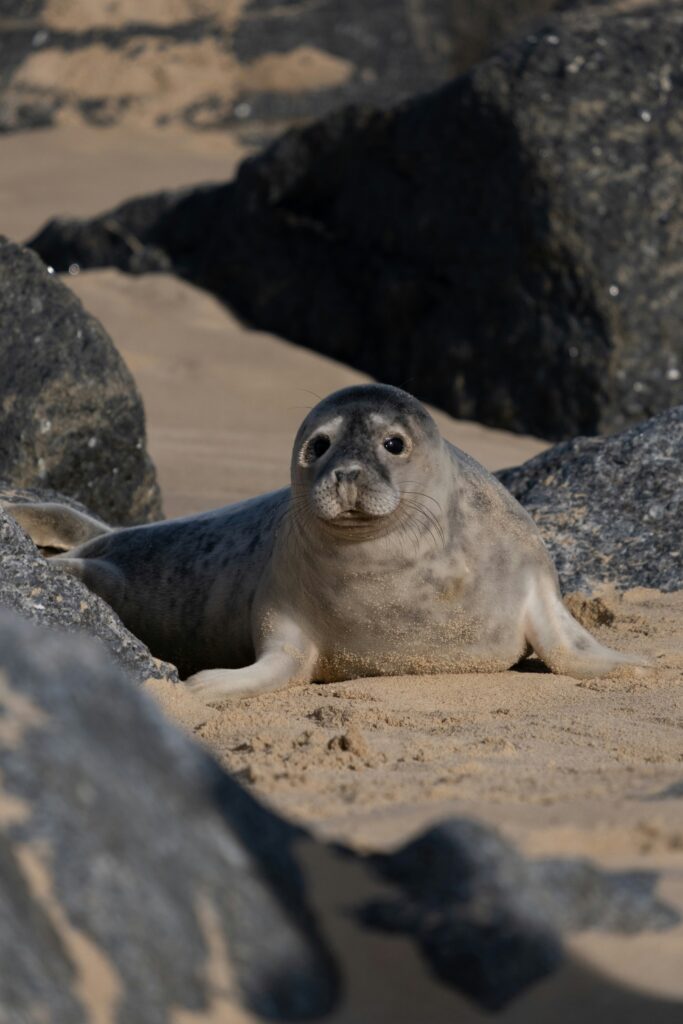
- Why go: One of the UK’s best seal colonies
- Wildlife: Grey seals, terns, rare plants
- Parking: Morston Quay or Cley
- Walk: 6–8 miles return if walking; boat trips available
- Facilities: Limited—bring supplies
- Tip: Boat trips are the easiest way to see seals up close
3. Cley Marshes Nature Reserve
- Why go: Premier UK birdwatching site
- Wildlife: Avocets, bitterns, marsh harriers
- Parking: Visitor centre (paid)
- Walk: Easy trails with hides; 1–3 miles
- Facilities: Café, shop, toilets
- Tip: Bring binoculars—this is serious birding territory
4. Wells-next-the-Sea Beach
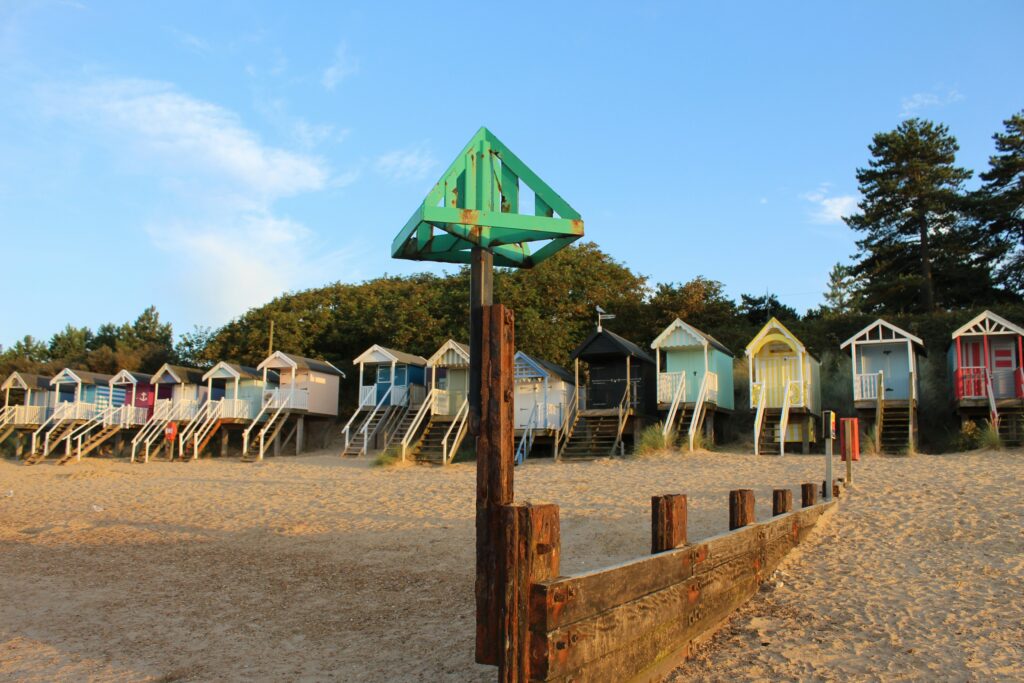
- Why go: Classic beach huts and family-friendly sands
- Wildlife: Wading birds, occasional seals
- Parking: Beach car park (long stay)
- Walk: 5–10 mins or take the mini railway
- Facilities: Toilets, café, town nearby
- Tip: Tide goes out a long way—check times
5. Titchwell Marsh Nature Reserve
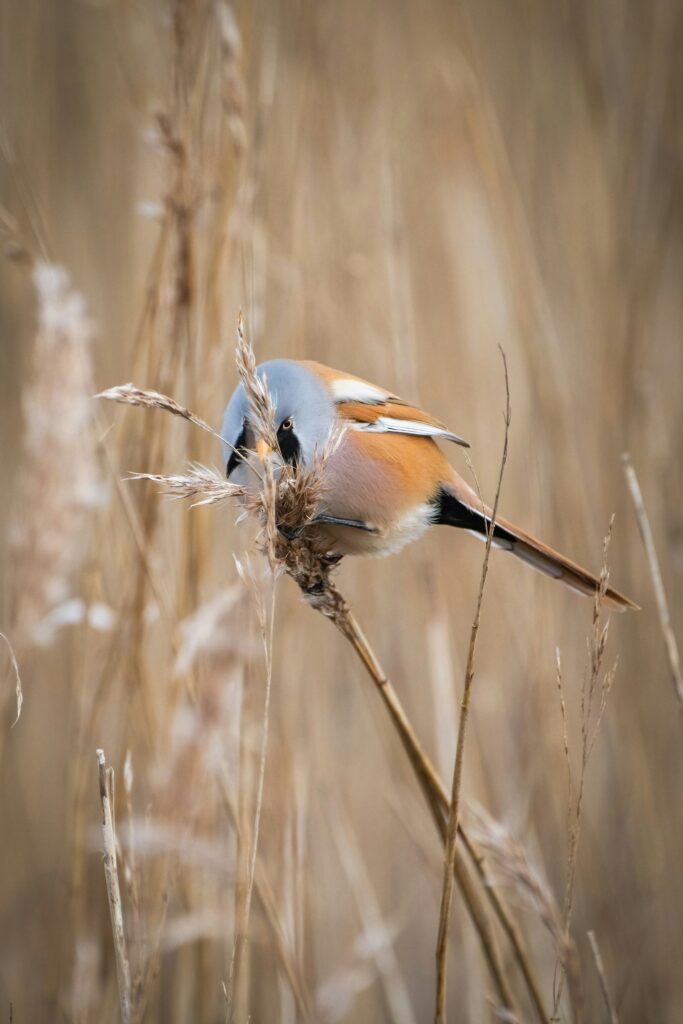
- Why go: Easy-access wildlife reserve with varied habitats
- Wildlife: Bearded tits, avocets, migratory birds
- Parking: On-site (paid)
- Walk: Flat, accessible boardwalks (1–2 miles)
- Facilities: Visitor centre, café, toilets
- Tip: Great for beginners to wildlife watching
6. Horsey Beach (Horsey Gap)
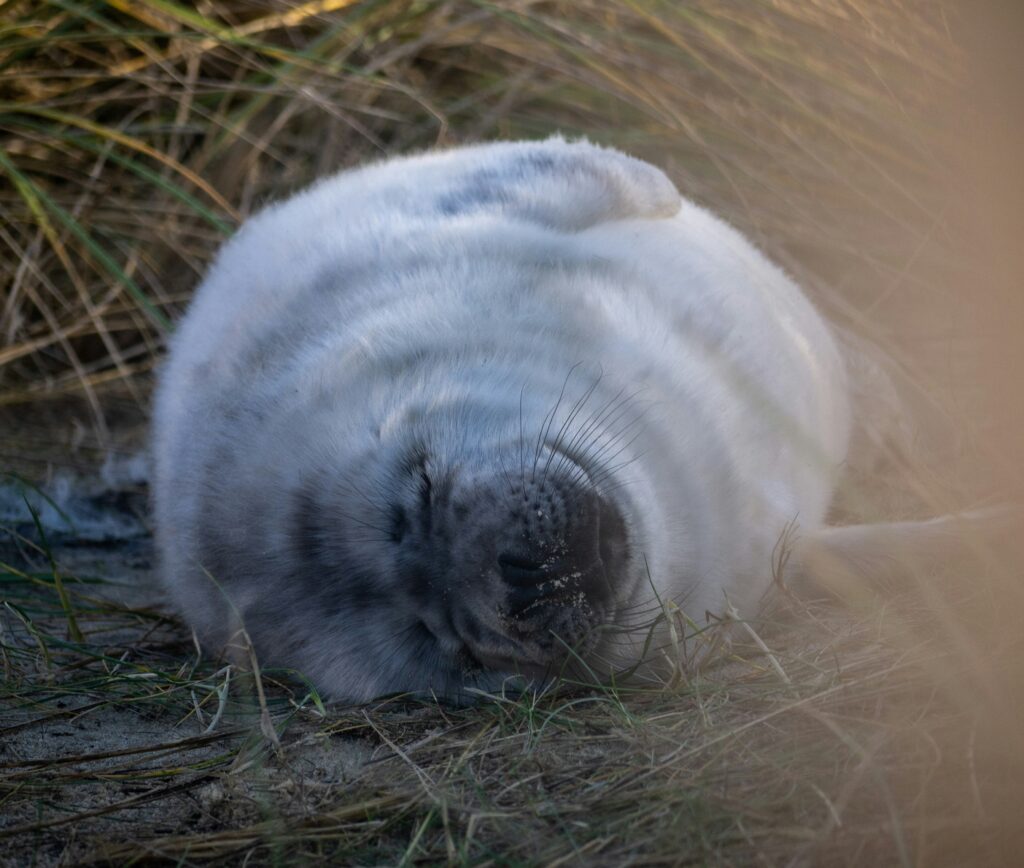
- Why go: Incredible seal encounters in winter
- Wildlife: Hundreds of grey seals and pups
- Parking: National Trust car park
- Walk: 5 mins over dunes
- Facilities: Basic—portable toilets seasonally
- Tip: Keep distance from seals—wardens enforce this
7. Salthouse Marshes
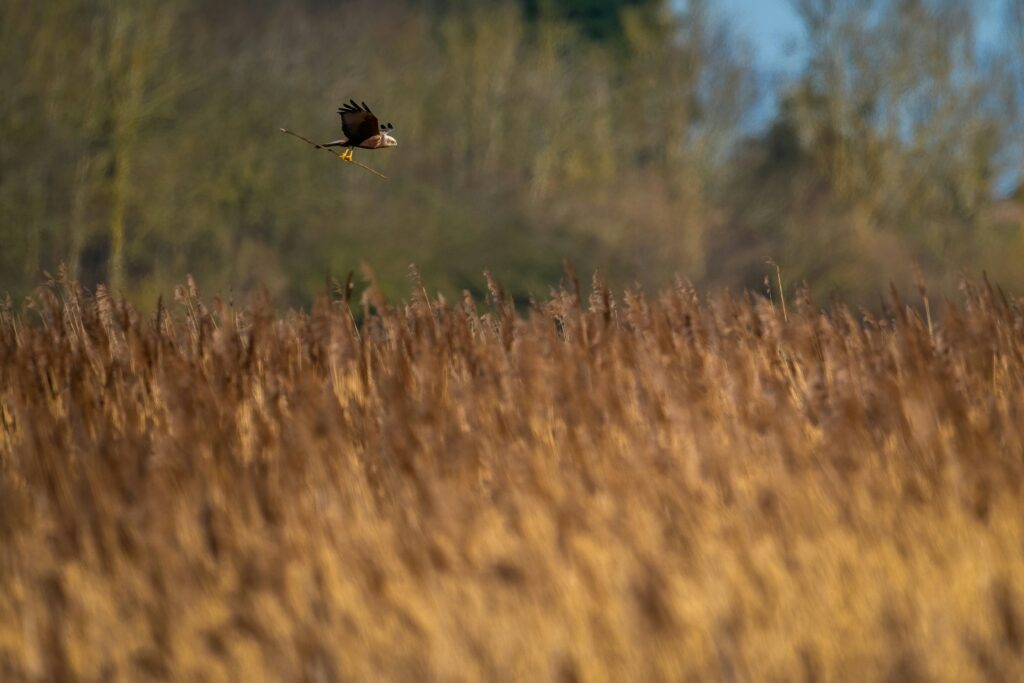
- Why go: Quiet, atmospheric marshland
- Wildlife: Migratory birds, wildflowers
- Parking: Small roadside laybys and paid car park available at visitor centre
- Walk: Easy coastal paths
- Facilities: Full facilities at visitor centre
- Tip: Ideal for peaceful sunset walks
8. Brancaster Beach

- Why go: Expansive sands and tidal creeks
- Wildlife: Sea birds, samphire areas
- Parking: National Trust car park
- Walk: Immediate access
- Facilities: Toilets, seasonal café
- Tip: Watch incoming tide—it moves fast here
- Dog-friendly
9. Burnham Overy Staithe & Dunes
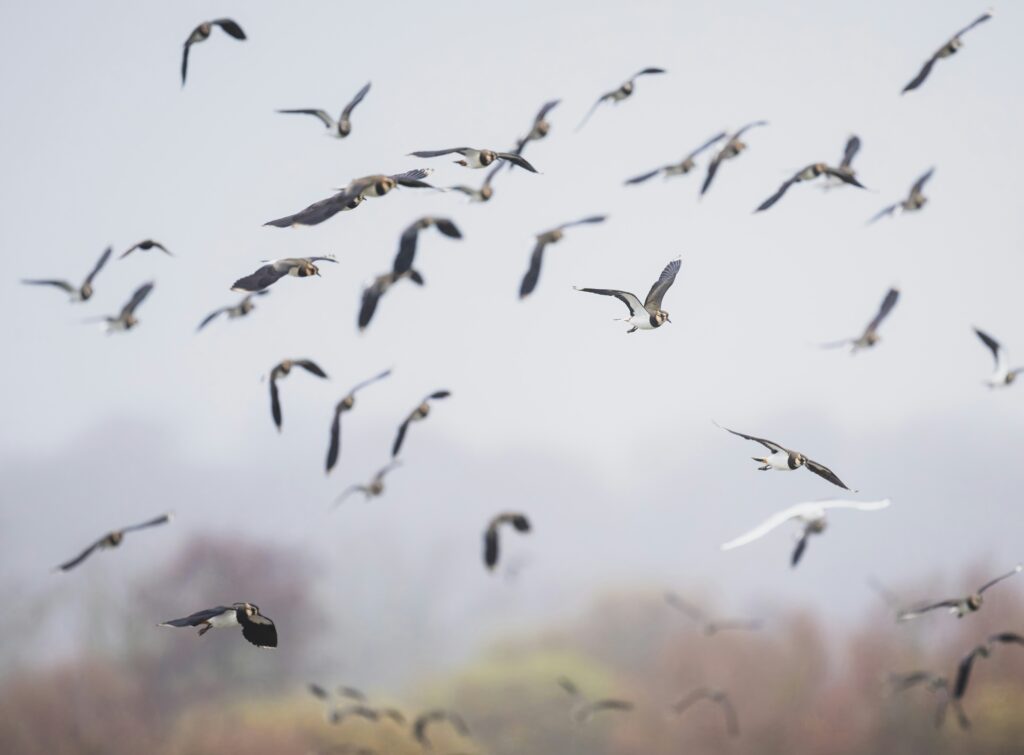
- Why go: One of Norfolk’s best hidden beaches
- Wildlife: Waders, marsh birds
- Parking: Village quay
- Walk: 30–45 mins across marshes
- Facilities: Pub in village
- Tip: Stunning but exposed—check weather
10. Sea Palling Beach
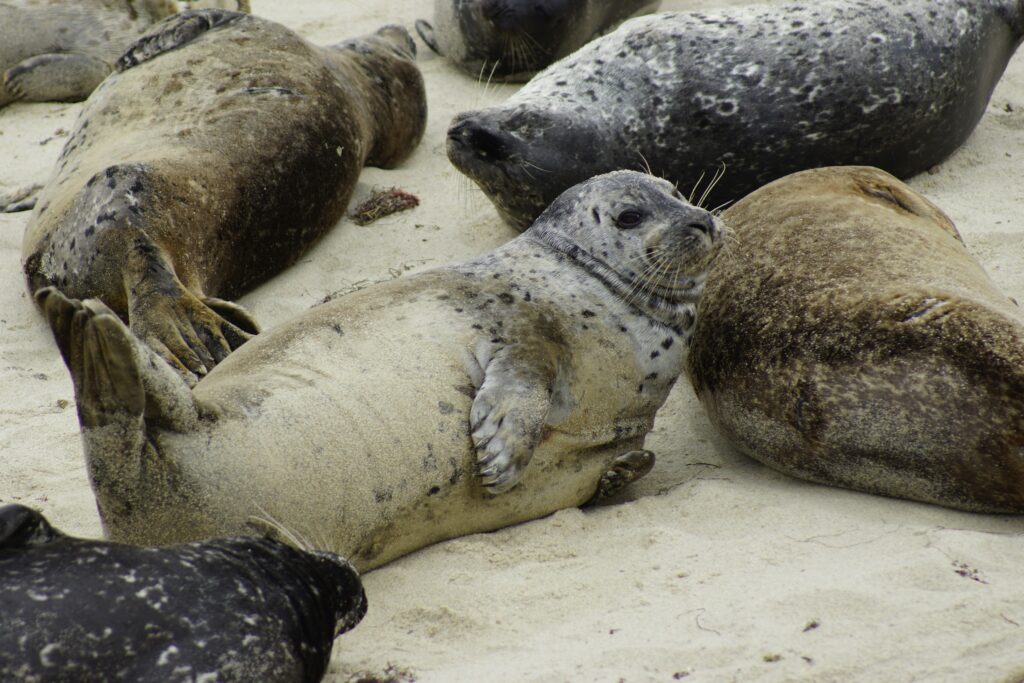
- Why go: Calm waters thanks to offshore reefs
- Wildlife: Seals offshore
- Parking: Beach car parks
- Walk: Immediate access
- Facilities: Cafés, toilets
- Tip: Great for swimming compared to other Norfolk beaches
11. Hickling Broad National Nature Reserve

- Why go: Largest of the Norfolk Broads
- Wildlife: Cranes, bitterns, swallowtails
- Parking: Visitor centre
- Walk: Boardwalks and trails
- Facilities: Café, boat trips
- Tip: Visit in spring for booming bitterns
12. Winterton-on-Sea Dunes
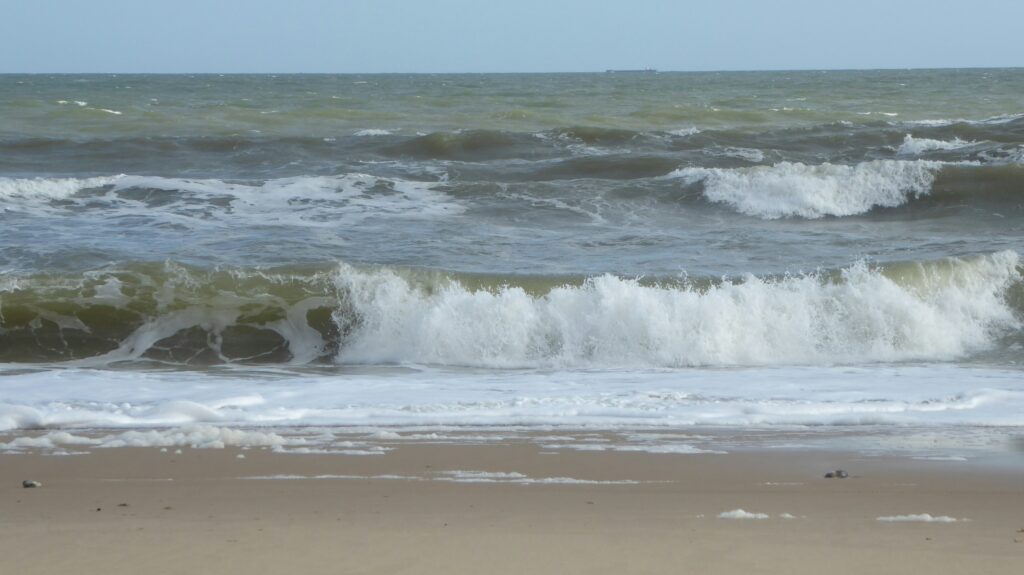
- Why go: Wild dunes and quieter seal spotting
- Wildlife: Seals, natterjack toads
- Parking: Village car park
- Walk: 10–15 mins
- Facilities: Pub, café in village
- Tip: Less crowded alternative to Horsey
13. Cromer Beach & Cliffs
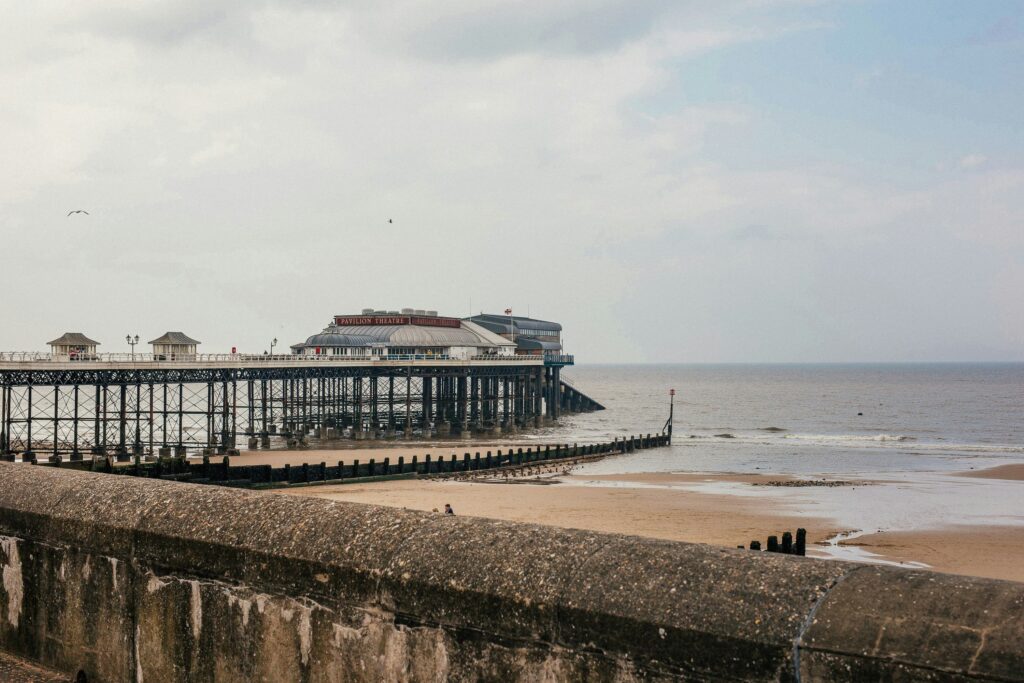
- Why go: Classic seaside with dramatic cliffs
- Wildlife: Seabirds along cliffs
- Parking: Town car parks
- Walk: Easy access
- Facilities: Full amenities
- Tip: Combine with fish & chips and pier walk
14. Holme Dunes National Nature Reserve

- Why go: Diverse habitats in a compact area
- Wildlife: Rare birds, butterflies
- Parking: Small reserve car park
- Walk: Short loop trails
- Facilities: Minimal
- Tip: Great quieter alternative to Titchwell
15. Thornham Marsh & Harbour
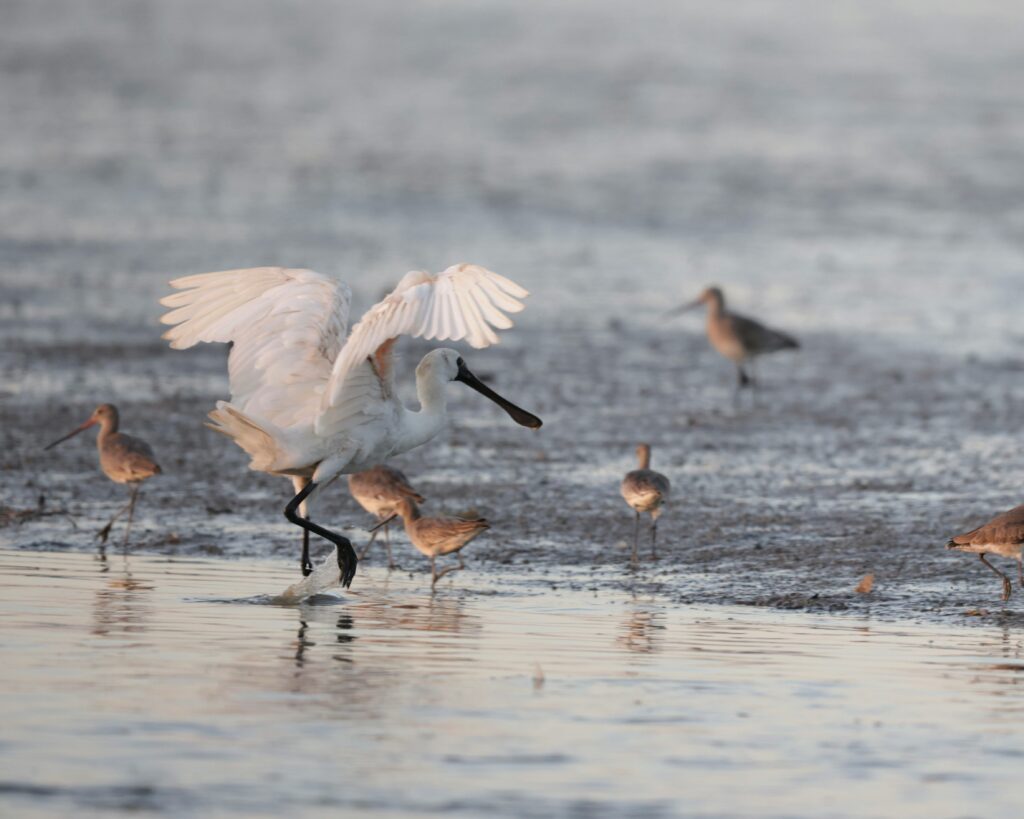
- Why go: Photogenic marshes and coastal walks
- Wildlife: Waders, marsh birds
- Parking: Harbour car park
- Walk: Flat, easy paths
- Facilities: Excellent pubs nearby
- Tip: Perfect for sunset photography
- Be careful where you park as some spots are below high tide line
Tips for Exploring Norfolk’s Coast
- Check tide times – many beaches disappear or expand dramatically
- Bring layers – coastal winds can be strong year-round
- Respect wildlife – especially seals and nesting birds
- Binoculars are worth it – Norfolk is world-class for birding
- Go off-peak – sunrise/sunset = best light + fewer crowds
Please make sure you read our guide to ethical wildlife viewing before your trip: