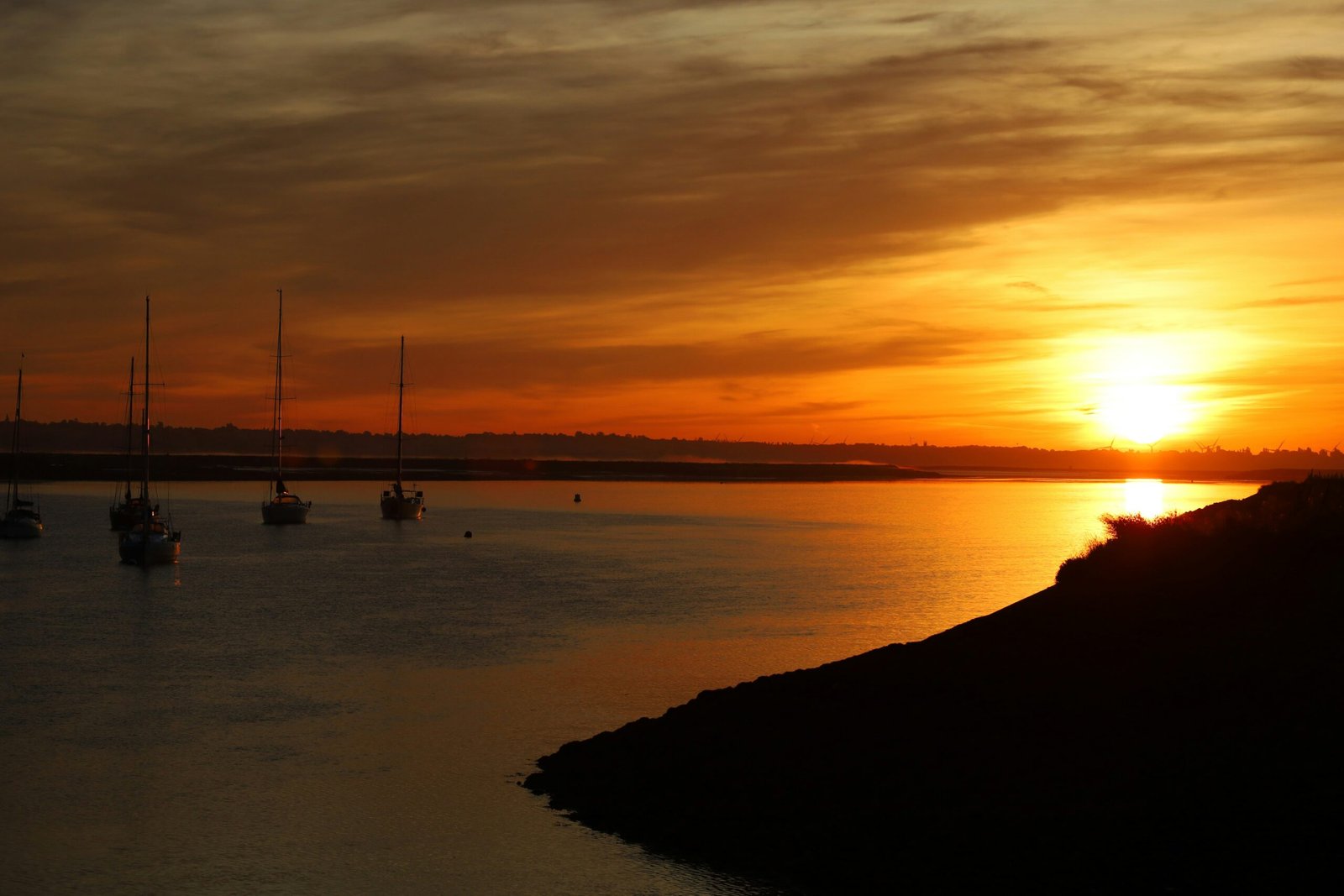

When most people think of Essex, bustling seaside resorts and lively promenades often come to mind. Yet beyond the popular beaches lies a remarkable landscape filled with Essex hidden coastal walks, tranquil estuaries, ancient marshes, secret nature reserves and charming countryside paths waiting to be explored. Stretching for over 350 miles of coastline, Essex boasts one of England’s longest and most diverse coastlines, offering endless opportunities to escape into nature.
From remote salt marshes alive with birdlife to quiet islands connected by tidal causeways, Essex offers spectacular scenery throughout every season. Whether you’re searching for peaceful woodland walks, hidden beaches, historic chapels overlooking the sea or wildlife-rich wetlands, you’ll discover countless places that remain surprisingly uncrowded even during summer.
This guide explores fifteen of the very best coastal and countryside escapes across Essex, combining famous landmarks with lesser-known gems that deserve a place on every walking enthusiast’s itinerary. Each location includes practical information about parking, facilities, walking difficulty and insider tips to help you plan your perfect day outdoors.
1. Mersea Island and Cudmore Grove Country Park
One of Essex’s finest coastal escapes, Mersea Island feels wonderfully separated from the mainland thanks to the famous Strood causeway, which disappears beneath high tides. While many visitors stay around West Mersea’s harbour, the eastern side of the island remains far quieter and offers some of the county’s most rewarding coastal walks.
The walk begins through open grassland before reaching dramatic stretches of coastline where colourful beach huts overlook the Blackwater Estuary. Depending on the tide, expansive sandy beaches appear alongside fossil-rich cliffs and wide mudflats filled with feeding wading birds.
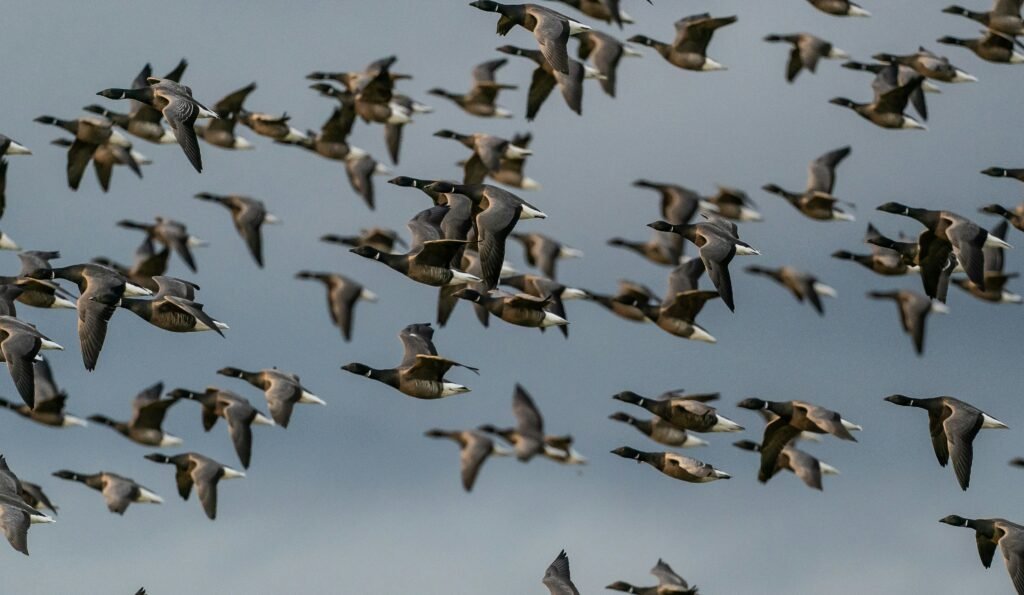
Throughout spring and autumn, birdwatchers regularly spot:
- Brent geese
- Avocets
- Little egrets
- Oystercatchers
- Curlews
- Marsh harriers
The landscape constantly changes with the tide, making every visit slightly different.
Walk Information
Distance: 2–6 miles (3–10 km)
Time: 1–3 hours
Difficulty: Easy
Terrain: Flat grass paths, coastal tracks and some sandy sections.
Parking
Large pay-and-display car park at Cudmore Grove Country Park with plenty of spaces throughout most of the year.
Facilities
- Toilets
- Picnic areas
- Ice cream kiosk (seasonal)
- Café nearby in East Mersea
- Pubs within a short drive
Local Tip
Visit about two hours before high tide when thousands of birds gather close to shore. Sunset across the estuary is particularly beautiful and far quieter than many better-known Essex beaches.
2. The Naze Coastal Trail
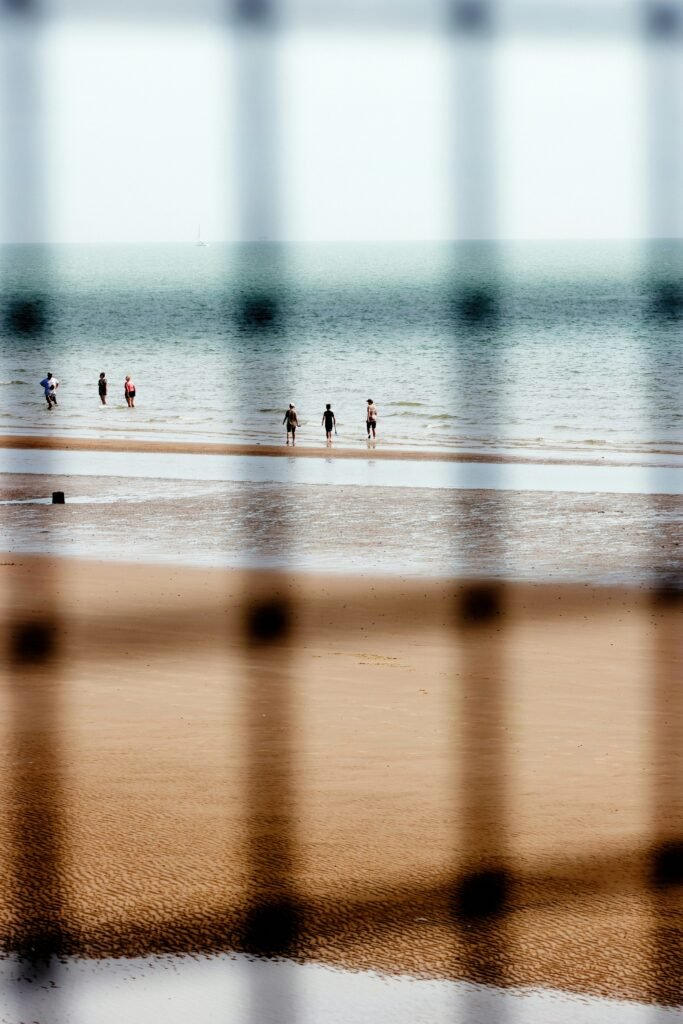
Although Walton-on-the-Naze is a popular seaside town, surprisingly few visitors continue north onto The Naze peninsula, one of Essex’s most spectacular hidden coastal landscapes.
The route follows impressive sandy cliffs carved by the North Sea before entering internationally important nature reserves packed with orchids, butterflies and migratory birds.
The highlight is undoubtedly the towering Victorian landmark, Naze Tower, which offers panoramic views across the Essex coastline on clear days.
Below the cliffs, fossil hunters often discover ancient shark teeth and shells dating back millions of years after winter storms expose fresh deposits.
Walk Information
Distance: 4 miles (6.5 km)
Time: 2 hours
Difficulty: Easy
Terrain: Mostly level paths with grassy sections.
Parking
Parking available at the Naze Nature Discovery Centre.
Facilities
- Visitor centre
- Café
- Toilets
- Viewing platform
- Picnic tables
Local Tip
Bring binoculars during autumn migration when thousands of birds pass along the coastline. Early morning offers the quietest experience before day visitors arrive.
3. St Peter-on-the-Wall and the Dengie Coast
Hidden away at the end of a quiet country lane sits one of England’s oldest surviving churches, surrounded by huge skies, peaceful salt marshes and miles of empty coastline.
Few places capture the solitude of the Essex coast better than this remarkable corner of the Dengie Peninsula.
Originally built during the 7th century on the site of a Roman fort, St Peter-on-the-Wall overlooks vast estuarine landscapes where the sea, sky and marsh blend together.
The seawall provides an easy walking route stretching in either direction, with enormous views across the Blackwater Estuary.
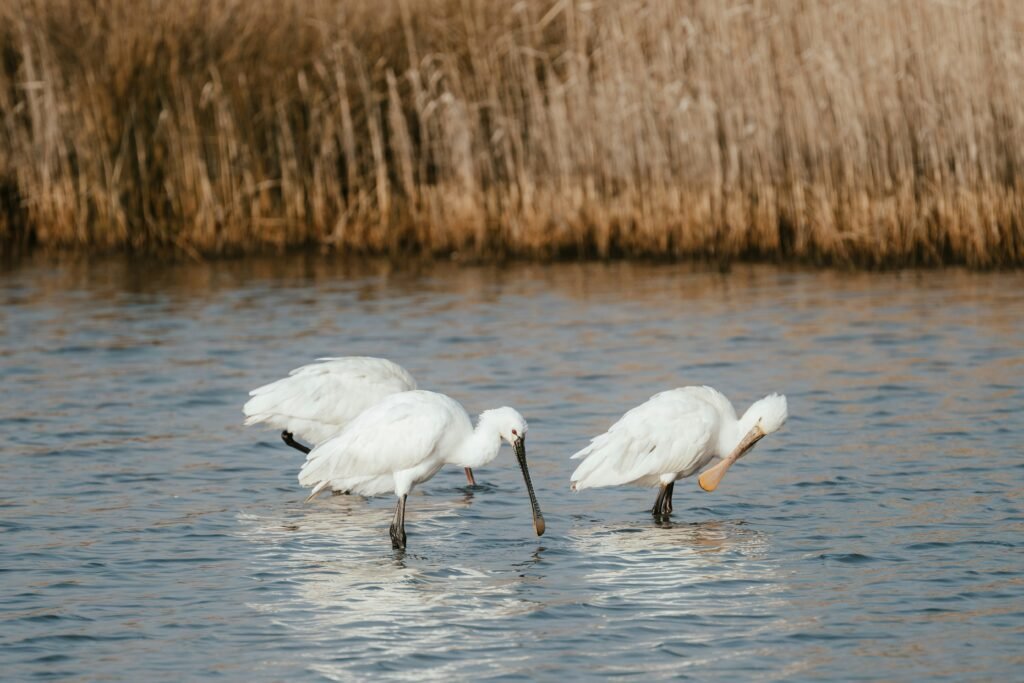
Wildlife is exceptional throughout the year, particularly:
- Grey seals offshore
- Marsh harriers
- Spoonbills
- Little terns
- Brent geese
- Short-eared owls during winter
Despite its beauty, you’ll often walk for miles without seeing many other people.
Walk Information
Distance: 3–7 miles
Time: 1.5–3 hours
Difficulty: Easy
Terrain: Flat seawall and grass paths.
Parking
Free parking beside the chapel.
Facilities
There are no cafés or toilets at the chapel itself, so bring refreshments. Facilities can be found in Bradwell-on-Sea village approximately 10 minutes away.
Local Tip
The exposed coastline can be very windy even during summer. A light waterproof jacket is recommended year-round.
4. Fingringhoe Wick Nature Discovery Park

Managed by the Essex Wildlife Trust, Fingringhoe Wick is one of Essex’s greatest hidden gems for nature lovers.
Former gravel pits have been transformed into an extraordinary landscape of lakes, woodland, reedbeds and tidal estuary habitats supporting hundreds of species.
The network of well-maintained trails passes numerous bird hides overlooking lagoons filled with ducks, grebes, kingfishers and occasional bitterns.
Spring brings carpets of wildflowers while dragonflies dominate during the warmer months.
Walk Information
Distance: 2–5 miles
Time: 1–2.5 hours
Difficulty: Easy
Terrain: Woodland paths and gravel tracks.
Parking
Free visitor car park beside the visitor centre.
Facilities
- Visitor centre
- Café
- Toilets
- Bird hides
- Picnic benches
Local Tip
Bring a camera with a zoom lens. The hides offer fantastic opportunities for wildlife photography without disturbing the birds.
5. Two Tree Island Nature Reserve
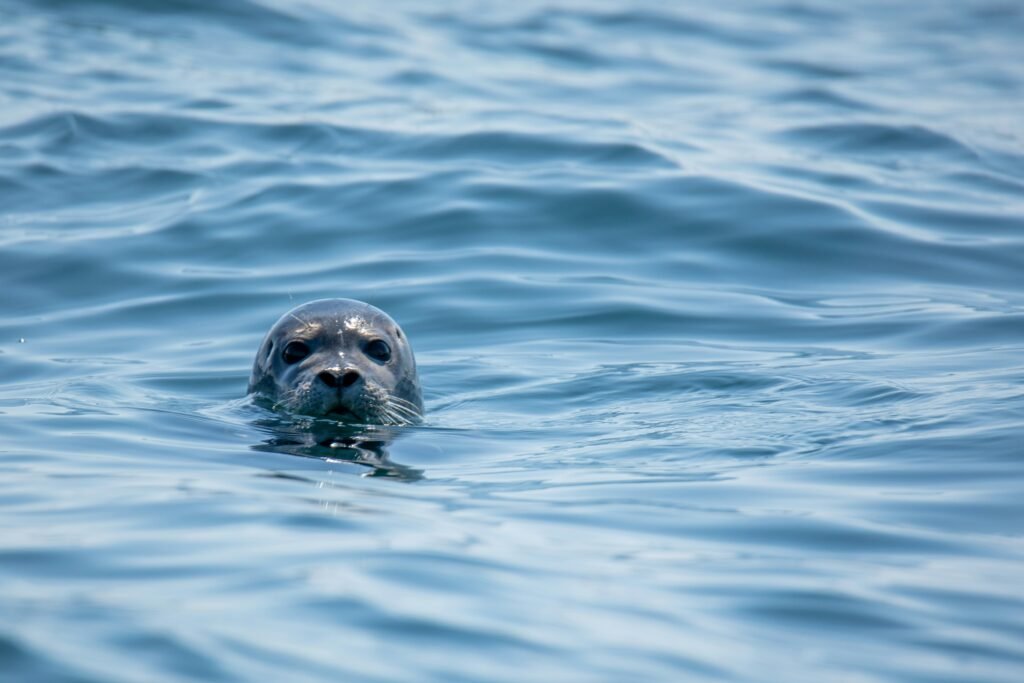
Only minutes from the bustling fishing town of Leigh-on-Sea lies a surprisingly peaceful nature reserve where salt marshes, lagoons and tidal creeks provide a haven for wildlife.
Many visitors never venture beyond the seafood stalls, missing one of South Essex’s finest walking areas.
The island features an excellent network of flat trails weaving through grassland and marshes, making it suitable for walkers of all abilities.
Depending on the season, visitors may spot:
- Avocets
- Redshanks
- Shelducks
- Little egrets
- Skylarks
- Harbour seals in nearby estuaries
The uninterrupted views across the Thames Estuary are particularly beautiful at sunrise and sunset.
Walk Information
Distance: 2–4 miles
Time: 1–2 hours
Difficulty: Very easy
Terrain: Flat gravel paths and boardwalks.
Parking
Free car park at the entrance to the reserve.
Facilities
- Public toilets nearby
- Benches
- Bird hides
- Cafés and pubs just five minutes away in Leigh-on-Sea
Local Tip
Combine your walk with fresh seafood from Leigh-on-Sea’s famous Old Town before or after exploring the reserve. Visiting on a weekday morning offers a much quieter experience than weekends.
6. Hamford Water National Nature Reserve
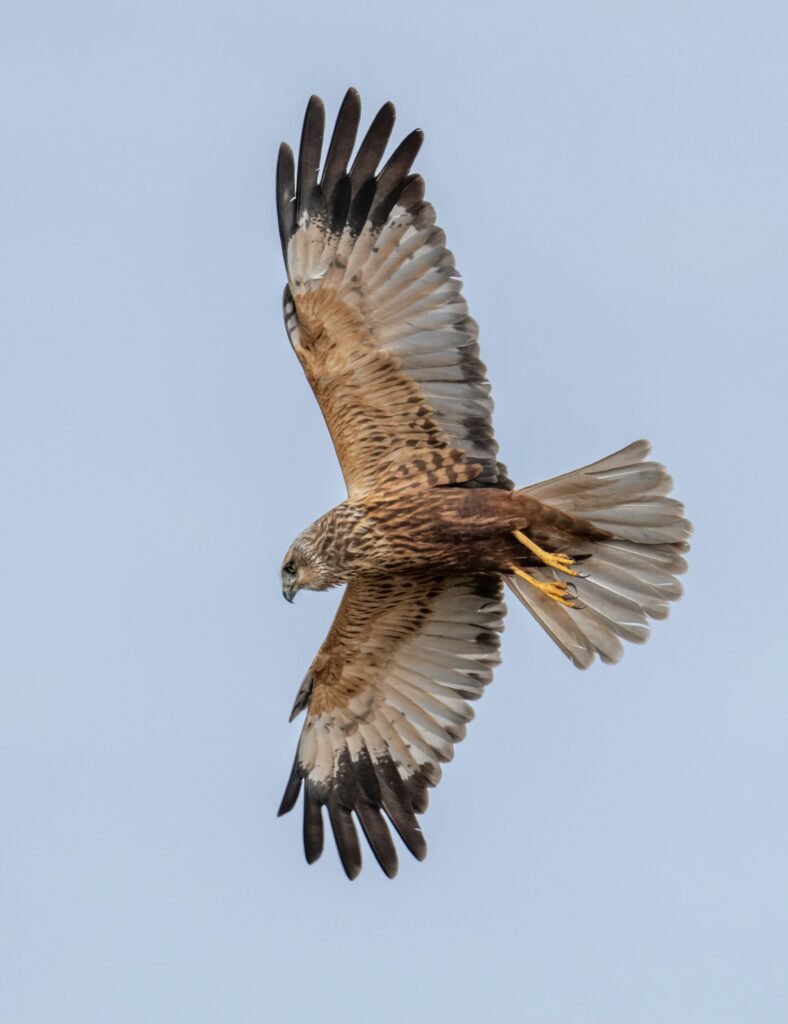
Tucked away between the villages of Little Oakley, Kirby-le-Soken and Walton-on-the-Naze, Hamford Water is one of the UK’s most important coastal wetlands and remains one of Essex’s least-visited natural treasures. This maze of tidal creeks, mudflats, salt marshes and small islands provides a peaceful escape where nature takes centre stage.
Unlike many coastal walks, Hamford Water offers an ever-changing landscape shaped by the tides. At low tide, vast mudflats stretch into the distance, attracting thousands of wading birds. As the tide rises, the estuary fills with sparkling water and small sailing boats drift through the channels.
The reserve is internationally recognised for its birdlife, with species including:
- Avocets
- Black-tailed godwits
- Curlews
- Brent geese
- Little egrets
- Marsh harriers
- Common terns during summer
Spring and autumn migration periods are especially rewarding, while winter brings spectacular flocks of overwintering birds.
Walk Information
Distance: 3–7 miles (5–11 km)
Time: 1.5–3.5 hours
Difficulty: Easy
Terrain: Flat grassy seawalls, gravel paths and coastal tracks. Some sections may become muddy after heavy rain.
Parking
Free parking is available near Church Road, Little Oakley, with additional parking in nearby villages.
Facilities
- Limited facilities within the reserve
- Village cafés within a short drive
- Public toilets available in Walton-on-the-Naze
- Picnic opportunities throughout the walk
Local Tip
Check the tide times before visiting. High tide often brings birds much closer to the seawall, making wildlife photography considerably easier.
7. Abberton Reservoir Circular Walk
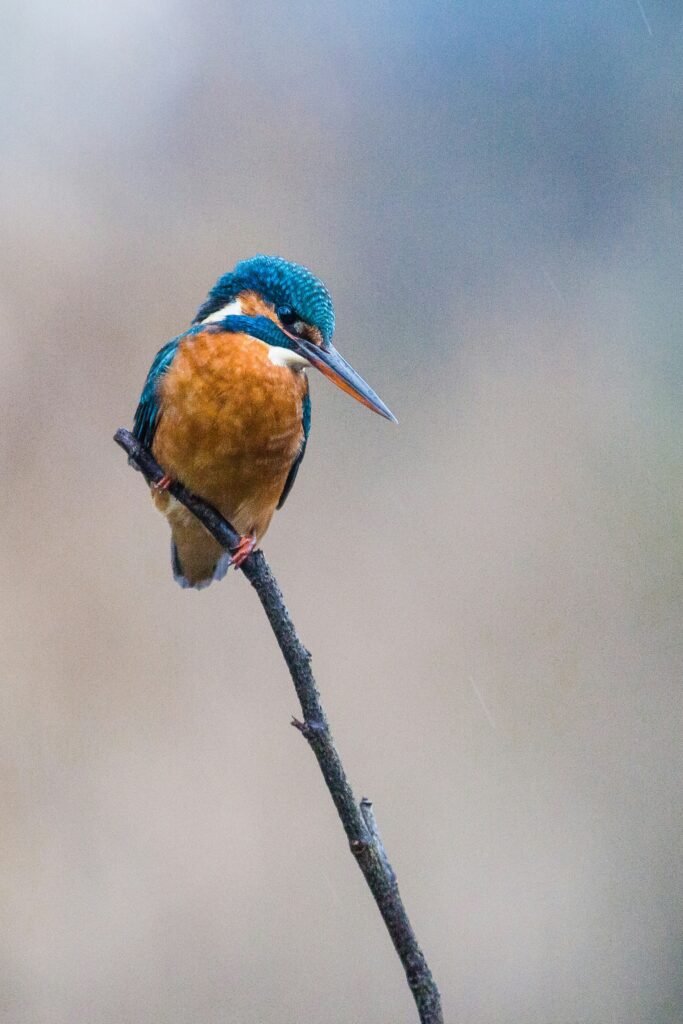
Although technically inland, Abberton Reservoir feels almost coastal thanks to its vast open waters, reedbeds and expansive skies. Following a major habitat restoration project, it has become one of Europe’s premier wetland reserves and a must-visit destination for wildlife lovers.
Wide, accessible paths follow sections of the shoreline, leading to numerous viewing platforms and bird hides where visitors can quietly observe the reserve’s incredible wildlife.
Depending on the season, you may encounter:
- Great crested grebes
- Pochards
- Gadwalls
- Goldeneyes
- Marsh harriers
- Kingfishers
- Cetti’s warblers
- Bitterns during winter
The visitor centre also provides fascinating displays explaining the reservoir’s transformation into one of the country’s most successful conservation projects.
Walk Information
Distance: 4–8 miles (6–13 km)
Time: 2–4 hours
Difficulty: Easy
Terrain: Excellent gravel paths with mostly level walking.
Parking
Large free car park beside the visitor centre.
Facilities
- Visitor centre
- Café
- Toilets
- Bird hides
- Gift shop
- Picnic area
Local Tip
Bring binoculars even if you’re not a keen birdwatcher. The sheer variety of species means you’ll almost certainly see something memorable.
8. Blue House Farm Nature Reserve
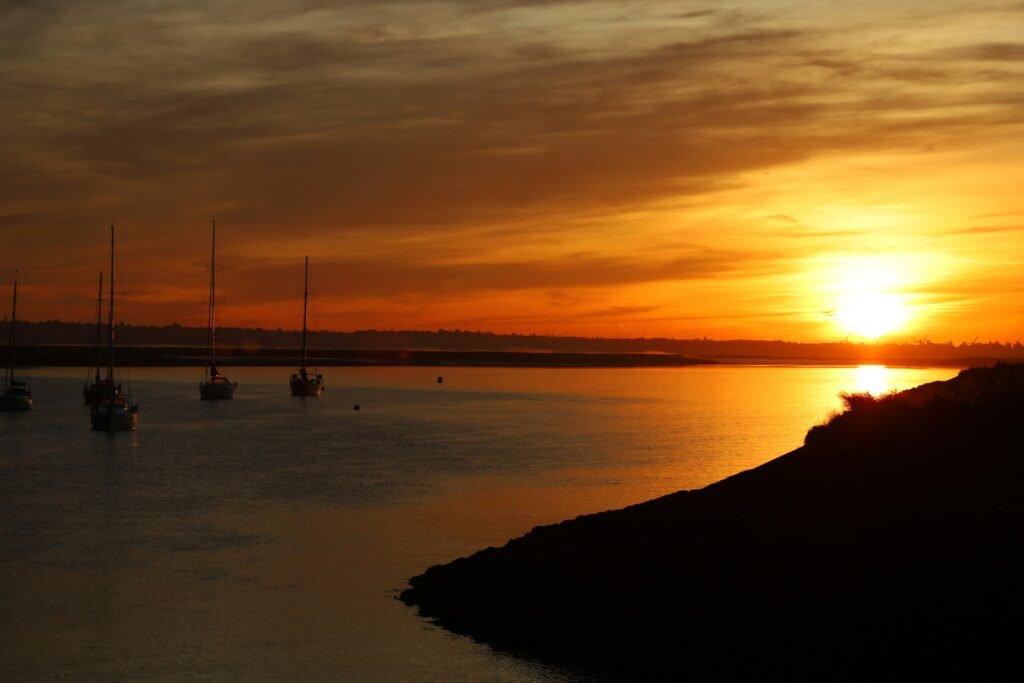
Located on the northern banks of the River Crouch, Blue House Farm offers one of Essex’s most peaceful countryside escapes. Managed by the Essex Wildlife Trust, the reserve combines ancient grazing marshes, seawalls, wildflower meadows and tidal estuaries into one wonderfully tranquil landscape.
Despite lying just over an hour from London, the reserve often feels wonderfully remote.
Long stretches of seawall provide uninterrupted views across the River Crouch, while traditional grazing meadows support butterflies, dragonflies and breeding skylarks throughout spring and summer.
Wildlife highlights include:
- Barn owls
- Lapwings
- Brown hares
- Marsh harriers
- Little egrets
- Grey seals occasionally spotted offshore
Walk Information
Distance: 4–6 miles (6–10 km)
Time: 2–3 hours
Difficulty: Easy
Terrain: Mostly flat grassy seawalls with some uneven ground.
Parking
Free car park near North Fambridge Station.
Facilities
- No on-site café
- Benches
- Village pub nearby
- Public toilets in North Fambridge
Local Tip
Early mornings are particularly magical, especially during spring when skylarks fill the air with song across the marshes.
9. Tollesbury Wick Marshes

Often overlooked by visitors heading towards Mersea Island, Tollesbury Wick Marshes provide one of the finest examples of traditional Essex coastal grazing marsh.
The reserve forms part of an internationally protected estuary system where salt marshes, freshwater grazing fields and winding creeks support an astonishing diversity of wildlife.
Walking along the historic seawall offers panoramic views across the Blackwater Estuary, while inland trails pass through peaceful meadows buzzing with insects during summer.
Keep an eye out for:
- Avocets
- Spoonbills
- Curlews
- Yellow wagtails
- Marsh harriers
- Short-eared owls during winter
The reserve feels wonderfully wild, yet remains easily accessible for visitors of all abilities.
Walk Information
Distance: 3–5 miles (5–8 km)
Time: 1.5–2.5 hours
Difficulty: Easy
Terrain: Flat grass paths with occasional muddy sections.
Parking
Free parking available near Tollesbury village and the reserve entrance.
Facilities
- Village cafés
- Local pub
- Public toilets in Tollesbury
- Picnic spots along the seawall
Local Tip
Visit in late summer to enjoy colourful saltmarsh plants such as samphire and sea lavender, which transform the landscape into shades of purple and pink.
10. Wallasea Island Wild Coast Project

One of the UK’s most ambitious conservation success stories, Wallasea Island has been transformed from farmland into a spectacular coastal wetland managed by the Royal Society for the Protection of Birds.
Despite receiving international recognition among birdwatchers, many visitors to Essex remain unaware of this remarkable destination.
The walking routes follow long seawalls overlooking newly created lagoons where thousands of birds feed throughout the year.
Species regularly recorded include:
- Spoonbills
- Avocets
- Little terns
- Black-winged stilts (occasional)
- Marsh harriers
- Hen harriers in winter
- Bearded tits
The reserve also supports breeding seals, rare insects and increasingly diverse plant life, making every visit different.
Walk Information
Distance: 4–8 miles (6–13 km)
Time: 2–4 hours
Difficulty: Easy
Terrain: Wide gravel tracks and grassy seawalls.
Parking
Free visitor car park near the reserve entrance.
Facilities
- Information boards
- Bird hides
- Benches
- Picnic areas
There is currently no café on the reserve, so bringing food and drinks is recommended.
Local Tip
Allow plenty of time to simply stop and watch the wildlife. Wallasea is one of those places where patience is often rewarded with unforgettable sightings.
11. Hanningfield Reservoir Nature Discovery Park

Hidden within rolling countryside south of Chelmsford, Hanningfield Reservoir is one of Essex’s best-kept secrets. Managed by the Essex Wildlife Trust, this expansive reservoir is surrounded by mature woodland, peaceful meadows and waterside trails that provide year-round interest.
The well-maintained network of paths offers gentle walking suitable for most ages and abilities, while bird hides overlook open water where great crested grebes, tufted ducks and cormorants are regularly seen. Spring brings carpets of bluebells to the surrounding woodland, while autumn transforms the landscape into rich shades of gold and copper.
Walk Information
Distance: 2–5 miles (3–8 km)
Time: 1–2.5 hours
Difficulty: Easy
Terrain: Mostly level gravel paths with some woodland tracks.
Parking
Large pay-and-display visitor car park beside the discovery centre.
Facilities
- Visitor centre
- Café
- Toilets
- Bird hides
- Picnic area
- Children’s play area
Local Tip
Visit during autumn mornings when mist often hangs over the reservoir, creating beautiful reflections that are perfect for photography.
12. Hadleigh Country Park
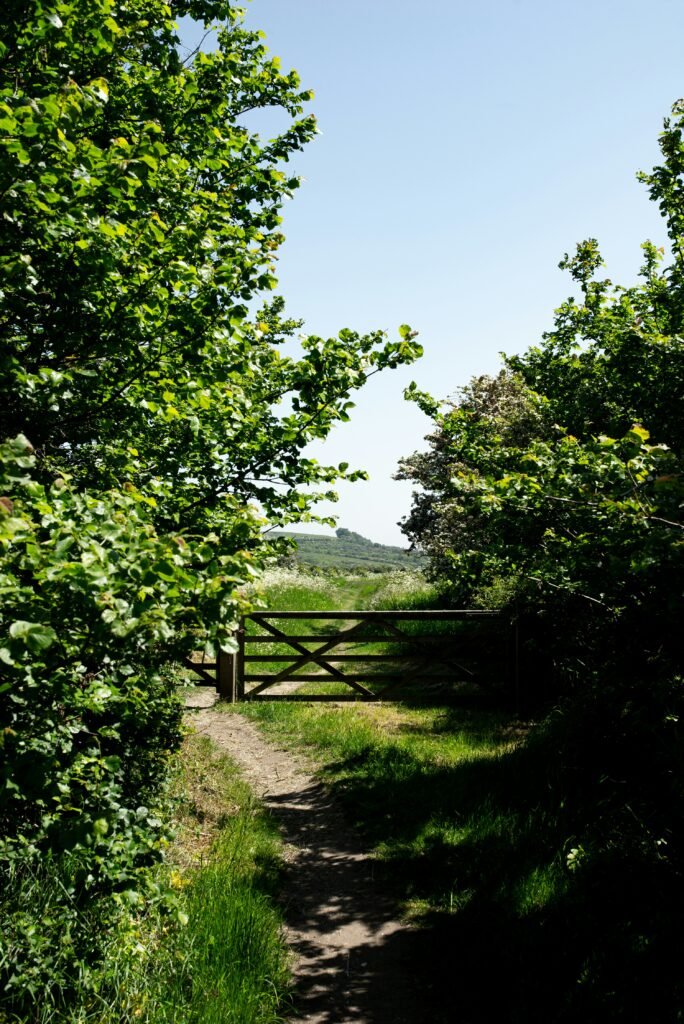
Best known for hosting the mountain biking events during the 2012 Olympics, Hadleigh Country Park offers far more than adrenaline-fuelled trails. This vast landscape combines open grassland, woodland, salt marshes and sweeping estuary views to create one of the most varied walks in south Essex.
The highlight for many visitors is the route to Hadleigh Castle, where the dramatic ruins overlook the Thames Estuary from one of the finest viewpoints in the county. The surrounding meadows are filled with wildflowers in summer and attract butterflies, bees and skylarks.
Walk Information
Distance: 3–6 miles (5–10 km)
Time: 2–3 hours
Difficulty: Moderate
Terrain: Undulating grass paths with some steeper inclines.
Parking
Large pay-and-display car park at Hadleigh Country Park.
Facilities
- Café
- Toilets
- Visitor information
- Picnic areas
- Children’s play area
Local Tip
Sunset is spectacular from Hadleigh Castle, with golden light illuminating the estuary and surrounding countryside.
13. Woodham Fen Nature Reserve

For those seeking true tranquillity, Woodham Fen offers one of Essex’s quietest countryside escapes. This peaceful reserve protects a mosaic of ancient fenland, wet woodland and species-rich grassland, making it an excellent destination for wildlife enthusiasts.
Boardwalks and natural footpaths weave through reeds and willow trees, where dragonflies dart across pools during summer and birdsong fills the woodland throughout spring.
Look out for:
- Kingfishers
- Reed buntings
- Water voles
- Grass snakes
- Emperor dragonflies
- Speckled wood butterflies
Walk Information
Distance: 2–4 miles (3–6 km)
Time: 1–2 hours
Difficulty: Easy
Terrain: Flat natural paths and boardwalks.
Parking
Limited free roadside parking near the reserve entrance.
Facilities
There are no on-site facilities, so bring refreshments. The nearest cafés and public toilets are available in South Woodham Ferrers.
Local Tip
Early morning is the best time to experience the reserve’s peaceful atmosphere and enjoy the greatest variety of wildlife.
14. Secret Walks Across the Dengie Peninsula
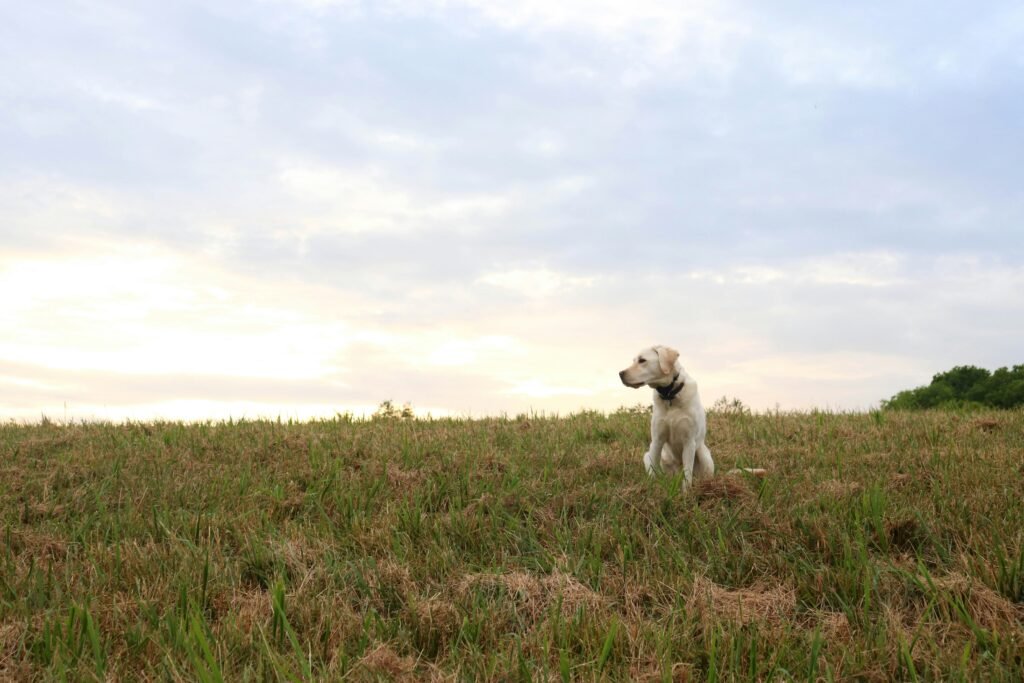
Although you’ve already visited historic St Peter-on-the-Wall earlier in this guide, the wider Dengie Peninsula deserves an entry of its own. This remote corner of Essex is one of the least populated coastal landscapes in south-east England and offers mile after mile of peaceful walking.
Quiet lanes lead to hidden seawalls overlooking endless salt marshes, while traditional farms and tiny villages provide a glimpse of rural Essex largely unchanged for generations.
The area is particularly rewarding for:
- Wildlife photography
- Cycling
- Peaceful dog walks
- Coastal sunsets
- Stargazing due to low light pollution
Walk Information
Distance: 3–10 miles (5–16 km)
Time: 2–5 hours
Difficulty: Easy
Terrain: Flat seawalls, grass tracks and quiet country lanes.
Parking
Several small free parking areas are available around Bradwell-on-Sea, Tillingham and Dengie village.
Facilities
Facilities are limited, with pubs and village shops scattered throughout the peninsula.
Local Tip
Pack plenty of water and snacks, as services can be several miles apart. Mobile phone signal may also be patchy in some locations.
15. Dedham Vale Riverside Walk
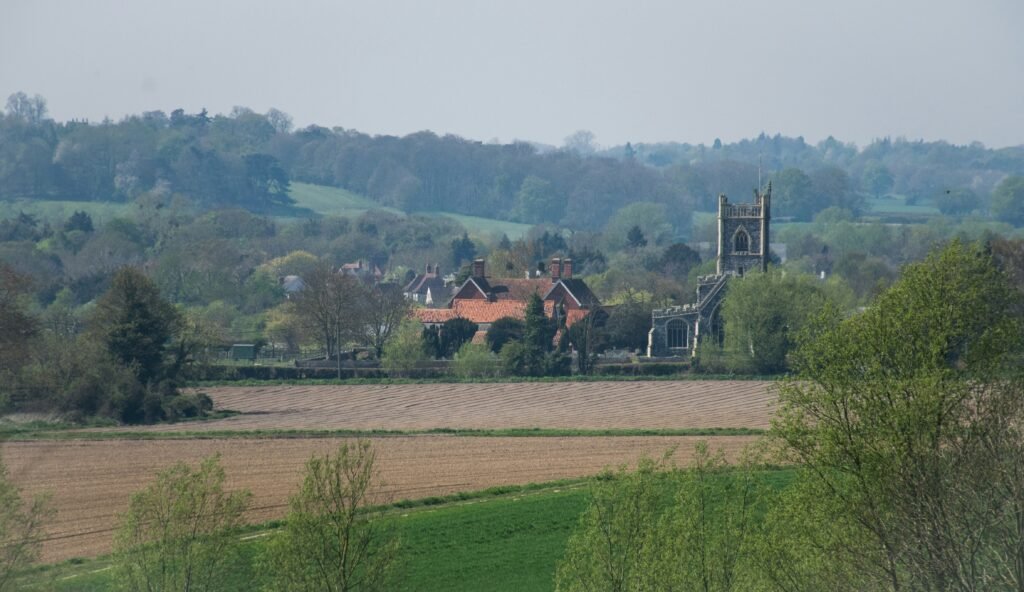
Although much of Dedham Vale extends into neighbouring Suffolk, its Essex side offers one of England’s most celebrated countryside landscapes. Known as “Constable Country” after the famous painter John Constable, the valley is filled with meandering rivers, ancient meadows, willow-lined footpaths and charming villages.
Gentle riverside trails follow the banks of the River Stour, passing historic mills, grazing cattle and traditional rowing boats. Every season brings something different, from colourful wildflowers in spring to spectacular autumn foliage reflected in the calm waters.
Walk Information
Distance: 4–8 miles (6–13 km)
Time: 2–4 hours
Difficulty: Easy
Terrain: Mostly flat grass paths with occasional uneven surfaces.
Parking
Pay-and-display parking is available in Dedham village and near Flatford Mill.
Facilities
- Cafés
- Tea rooms
- Pubs
- Public toilets
- Small independent shops
- Picnic areas
Local Tip
Visit on a weekday morning to experience the peaceful atmosphere before the busiest times. The riverside is especially beautiful during spring when blossom appears along the valley.
Final Thoughts
Essex is far more than its well-known seaside resorts. Its intricate coastline, peaceful estuaries, wildlife-rich marshes and rolling countryside offer some of England’s finest walking opportunities, often without the crowds found elsewhere in the South East.
Whether you’re watching thousands of migratory birds at Hamford Water, exploring the ancient history of St Peter-on-the-Wall, enjoying panoramic estuary views from Hadleigh Castle or wandering through tranquil woodland at Hanningfield Reservoir, these hidden gems reveal a quieter and more natural side of the county.
Many of these locations are wonderful throughout the year, with each season bringing unique wildlife and changing landscapes. Spring wildflowers, summer butterflies, autumn migrations and crisp winter skies all make excellent reasons to return again and again.
So lace up your walking boots, pack a picnic, don’t forget your binoculars, and discover why Essex deserves its place among England’s best counties for coastal and countryside adventures.
Frequently Asked Questions
What are the best hidden coastal walks in Essex?
Some of the finest hidden coastal walks include Hamford Water National Nature Reserve, Wallasea Island Wild Coast Project, St Peter-on-the-Wall, Blue House Farm Nature Reserve and the quieter eastern side of Mersea Island.
Which Essex walks are best for wildlife?
Abberton Reservoir, Fingringhoe Wick Nature Discovery Park, Hamford Water, Tollesbury Wick Marshes and Wallasea Island are among the county’s best wildlife-watching destinations, offering excellent opportunities to see birds, butterflies, dragonflies and even seals.
Are these walks suitable for beginners?
Yes. Most routes in this guide are relatively flat and easy to follow, with only Hadleigh Country Park including a few steeper sections.
When is the best time to visit?
Spring and autumn are particularly rewarding for wildlife and comfortable walking temperatures. Summer is ideal for coastal walks and picnics, while winter offers dramatic landscapes and excellent birdwatching.
What should I bring?
A waterproof jacket, sturdy walking shoes or boots, drinking water, snacks, binoculars for wildlife watching, sunscreen during warmer months and a camera to capture the stunning scenery.