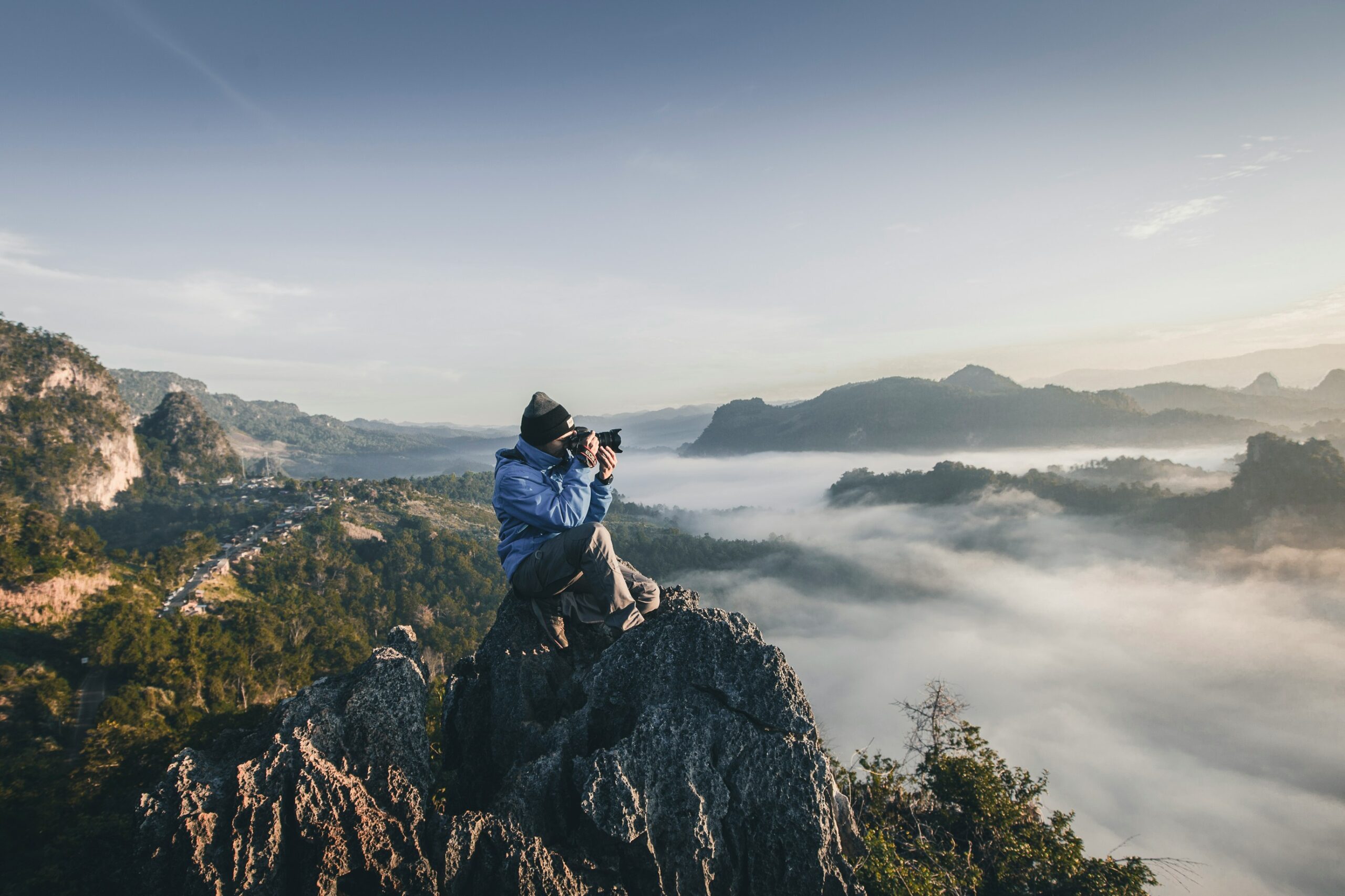

If you are planning a hiking trip, wildlife holiday, backpacking journey or road trip, one question always comes up: is taking a camera on your adventure actually worth it? This guide looks at the balance between capturing unforgettable moments and hauling extra weight across mountains, airports and muddy trails.
For amateur photographers especially, the decision is rarely simple. A once-in-a-lifetime sunrise over the Scottish Highlands or an unexpected wildlife encounter in the Alps can make you grateful you packed a proper camera. But after several hours climbing steep terrain with a heavy backpack, you may wish you had just used your phone instead.
The right answer depends entirely on your adventure style, fitness, transport, budget and what memories matter most to you. Some travellers are happy with lightweight snapshots for social media. Others want detailed wildlife shots, dramatic landscapes or prints worthy of framing at home.
This guide explores whether taking a camera is worth the effort, what type of camera suits different adventures, and how to avoid carrying more than you truly need.
Why Taking a Camera Can Be Worth It
1. Once-in-a-Lifetime Moments Deserve Better Than a Phone
Modern smartphones are impressive, but they still struggle in certain situations:
- Low light sunsets and sunrises
- Fast-moving wildlife
- Long-distance landscape compression
- Rain, snow and harsh conditions
- Printing large, detailed images
A dedicated camera can capture texture, colour and depth that phones often miss. If you have travelled for days to see puffins on a remote island or hiked before dawn for mountain views, you may appreciate having something capable of doing the scene justice.
2. Photography Makes You Notice More
Many amateur photographers say carrying a camera changes how they experience a place. You slow down, notice changing light, pay attention to weather and look more carefully at wildlife behaviour.
Instead of rushing between destinations, photography encourages deeper engagement with the landscape.
3. Memories Feel More Personal
Phone photos often disappear into cloud storage forever. Taking time to compose images with a camera can make memories feel more intentional and meaningful.
For many people, adventure photography becomes part of the adventure itself.
Why Leaving the Camera Behind Can Also Make Sense
1. Weight Changes Everything
This is the biggest factor.
Even a relatively small camera setup can add:
- 500g–2kg of weight
- Extra batteries and chargers
- Waterproof protection
- Lenses
- Tripods
On short walks that may not matter. On multi-day hikes or airport-heavy trips, it absolutely does.
A heavy camera bag can:
- Increase fatigue
- Slow you down
- Make steep climbs harder
- Cause shoulder and neck strain
- Reduce enjoyment of the journey
If carrying the gear makes the adventure less enjoyable, it may not be worth it.
2. Weather Can Become Stressful
Adventure photography often means:
- Rain
- Salt spray
- Mud
- Dust
- Condensation
- Cold temperatures
Some people end up worrying more about protecting expensive equipment than enjoying the experience.
3. You Might Never Use It
A common mistake is bringing too much kit “just in case”.
Many amateur photographers carry:
- Multiple lenses
- Large zooms
- Heavy tripods
- Spare accessories
…only to use one lens the entire trip.
The Best Camera Depends on Your Adventure Style
Hiking & Mountain Adventures
Best Choice:
- Lightweight mirrorless camera
- Compact travel zoom
- Rugged compact camera
Priorities:
- Low weight
- Weather sealing
- Good battery life
- Comfortable carrying system
Avoid:
- Huge telephoto lenses unless wildlife is the main goal
Wildlife-Focused Adventures
Best Choice:
- Mirrorless or DSLR with zoom lens
- Strong autofocus
- Fast burst shooting
Priorities:
- Reach
- Stabilisation
- Battery life
Trade-Off:
Wildlife photography almost always means more weight.
If spotting rare animals is a major reason for the trip, carrying heavier gear may feel completely worthwhile.
Backpacking & Budget Travel
Best Choice:
- Compact camera
- Action camera
- Smartphone with small accessory lens kit
Priorities:
- Theft resistance
- Lightweight packing
- Easy charging
- Airline cabin compatibility
Reality:
When travelling long-term, simplicity often beats perfection.
Road Trips & Campervan Adventures
Best Choice:
Almost anything.
If your transport carries the weight, you can comfortably bring:
- Larger lenses
- Tripods
- Drone equipment
- Multiple batteries
Road trips are ideal for photography-heavy adventures because weight matters far less.
Cabin Luggage and Airline Restrictions Matter
If you are flying, camera gear can become surprisingly restrictive.
Most airlines now have:
- Strict cabin baggage dimensions
- Low weight limits
- Extra fees for larger bags
Camera equipment is heavy for its size. A wildlife lens alone can use most of your carry-on allowance.
Things to consider:
- Will batteries need cabin-only storage?
- Can your tripod fit airline rules?
- Will security checks slow you down?
- Are you comfortable checking expensive gear into hold luggage?
For adventure travel involving multiple flights, trains and buses, smaller setups are often far more enjoyable.
Camera Types Explained
Smartphones
Advantages
- Already in your pocket
- Zero extra weight
- Excellent convenience
- Great for social sharing
- Increasingly good image quality
Disadvantages
- Weak zoom performance
- Limited wildlife ability
- Poor ergonomics in rain/cold
- Less control creatively
Best For
- Casual adventures
- Ultralight hiking
- City breaks
- People prioritising convenience
Compact Cameras
Advantages
- Small and lightweight
- Better image quality than phones
- Easy to carry daily
- Often excellent zoom ranges
Disadvantages
- Smaller sensors than larger cameras
- Less upgrade flexibility
- Reduced low-light performance
Best For
- Travellers wanting balance
- Beginners
- Long-distance walking
Mirrorless Cameras
Advantages
- Excellent image quality
- Interchangeable lenses
- Smaller than DSLRs
- Great autofocus
Disadvantages
- More expensive
- Lenses increase weight quickly
- Battery life often shorter
Best For
- Enthusiast travellers
- Landscape photography
- Wildlife trips
- Content creators
Action Cameras
Advantages
- Tiny and rugged
- Waterproof
- Hands-free options
- Great stabilisation
Disadvantages
- Limited zoom
- Small sensors
- Less cinematic depth
Best For
- Cycling
- Kayaking
- Climbing
- Wet environments
- Fast-moving adventures
Best Cameras for Different Adventure Types
Budget Adventure Cameras
Canon EOS R100
Good beginner mirrorless option with strong image quality for the price.
Best for: New photographers wanting interchangeable lenses.
Olympus Tough TG-7
Waterproof, shockproof and excellent for harsh weather.
Best for: Coastal walks, kayaking and unpredictable UK weather.
GoPro HERO13 Black
Tiny, durable and perfect for active adventures.
Best for: Cycling, climbing and action-heavy trips.
Mid-Range Adventure Cameras
Fujifilm X-T30 III
Popular with travel photographers for excellent colours and compact size.
Best for: Landscapes and travel storytelling.
Sony A6700
Strong autofocus and impressive video capabilities.
Best for: Wildlife and hybrid photo/video use.
Premium Adventure Cameras
Sony A7C II
Combines full-frame quality with relatively compact size.
Best for: Serious travellers wanting high-end results without massive bulk.
Nikon Z8
Outstanding wildlife and landscape performance.
Best for: Dedicated photography-focused adventures.
Now you may have looked at some of those suggestions and the price may have been more than you expected… not to mention some need lenses as well.
I would personally recommend trying to buy second hand from providers such as MPB or WEX. They grade all the cameras they have so you know what to expect and thoroughly test them. An added bonus is warranty just incase it isn’t as you expected.
Questions to Ask Before Packing a Camera
Will Photography Be Part of the Adventure?
Or just documentation?
If photography itself excites you, carrying extra weight often feels worthwhile.
If not, your phone may genuinely be enough.
How Difficult Is the Terrain?
A 10kg hiking bag feels very different once steep climbs begin.
The harder the route:
- the lighter your camera setup should probably be.
What Wildlife Opportunities Exist?
If the trip includes your bucket list species there’s no question. But even if there’s other amazing wildlife a dedicated camera with zoom may become far more valuable.
How Important Are Printed Photos?
If you want:
- wall prints
- photo books
- portfolio-quality images
…a proper camera has major advantages.
Final Thoughts: Is It Worth Taking a Camera?
For many people, yes — but probably not the huge setup they imagine.
The best adventure camera is usually the one you are genuinely willing to carry all day.
A lightweight camera you actually use is better than expensive equipment left in your accommodation because it feels too heavy.
If photography matters deeply to you, carrying extra weight can absolutely be worthwhile, especially for rare landscapes, wildlife encounters and unforgettable travel moments.
But if your main goal is freedom, movement and simplicity, modern smartphones and compact cameras are now capable enough for many adventures.
The key is matching your gear to your trip — not carrying equipment because you feel you should.