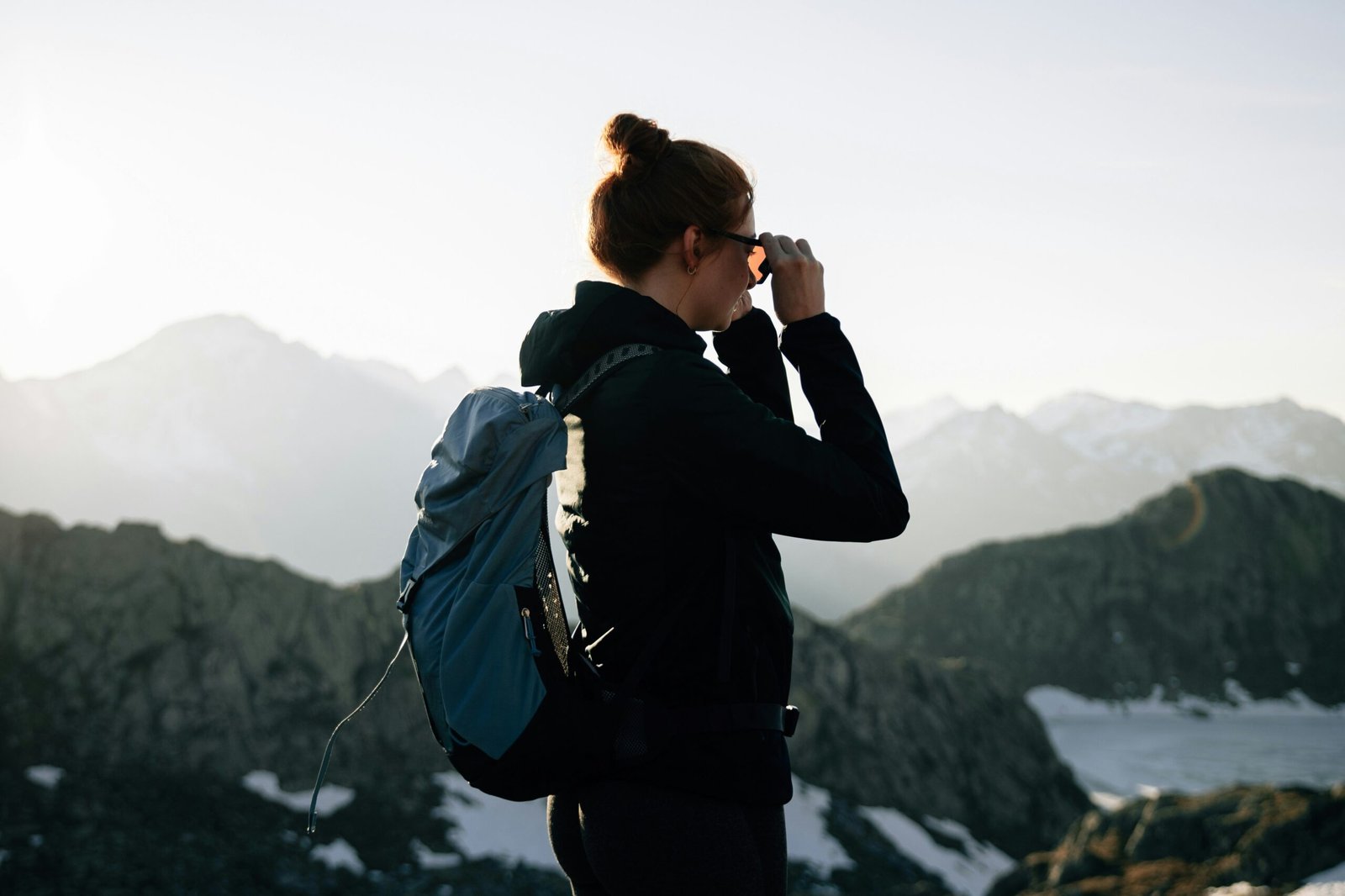

When searching for the best Hiking Sunglasses UK walkers can rely on, it’s important to remember that Britain presents unique challenges. Unlike the bright alpine conditions often associated with hiking eyewear, the UK frequently delivers overcast skies, changing weather, woodland trails, coastal glare, and low-angle sunlight. The ideal hiking sunglasses need to balance protection, visibility, comfort, durability and style.
Many hikers also want sunglasses that look good both on and off the trail. Today’s outdoor eyewear is as much a fashion statement as it is a piece of safety equipment. Fortunately, there are excellent options available for every budget, from independent British brands to internationally recognised outdoor specialists.
Why Wear Sunglasses When Hiking in the UK?
Many people assume sunglasses are only necessary on bright summer days. In reality, harmful ultraviolet (UV) rays penetrate cloud cover and can damage your eyes year-round.
Long-term exposure to UV radiation has been linked to:
- Cataracts
- Macular degeneration
- Photokeratitis (sunburn of the eye)
- Increased eye strain
- Reduced visual comfort outdoors
Look for sunglasses labelled:
- UV400
- 100% UVA protection
- 100% UVB protection
- CE or UKCA certified
UV protection is separate from lens darkness. Dark lenses without proper UV protection can actually increase damage by causing your pupils to dilate.
Buying Sunglasses Online Without Trying Them On
Buying sunglasses online can feel like a gamble, but there are several ways to improve your chances of finding the perfect fit. Start by checking the measurements of a pair of glasses or sunglasses you already own and find comfortable. Most frames have three numbers printed on the inside of the arm, such as 55-18-140, which represent the lens width, bridge width and temple length in millimetres. Comparing these measurements with online product specifications can give you a good indication of fit. Many brands also provide face-shape guides, virtual try-on tools or fit recommendations such as narrow, medium or wide. Reading customer reviews can be particularly helpful, as buyers often mention whether a frame runs small, large or true to size. Finally, check the retailer’s returns policy before purchasing. Even with careful research, comfort can be very personal, and a hassle-free return option provides valuable peace of mind when shopping online.
What lens types should I buy for hiking?
Not Every Hike Needs Dark Lenses
The biggest mistake UK hikers make is buying extremely dark sunglasses designed for high-altitude mountaineering.
For most British walking conditions, Category 2 or Category 3 lenses work best.
Lens Colours for Low UK Light
Brown and Amber Lenses
Best for:
- Woodland walks
- Mixed cloud conditions
- Autumn and winter hiking
Advantages:
- Improve contrast
- Enhance terrain detail
- Make roots and rocks easier to spot
Disadvantages:
- Can slightly distort colour perception
Grey Lenses
Best for:
- Coastal paths
- Bright summer days
- General-purpose use
Advantages:
- Natural colour representation
- Comfortable all-day wear
Disadvantages:
- Less contrast enhancement in gloomy weather
Yellow and Copper Lenses
Best for:
- Very dull conditions
- Forest trails
- Early morning walks
Advantages:
- Brighten low-light environments
- Increase perceived visibility
Disadvantages:
- Not suitable for bright sunshine
Polarised or Non-Polarised?
Polarised lenses reduce glare reflected from water, wet rocks, roads and snow. They can dramatically improve visual comfort on coastal paths and around lakes. Many hikers prefer them for general outdoor use. However, some walkers find non-polarised lenses work better in heavily shaded woodland or when frequently checking phones and GPS devices.
Frame Materials and Weight
Polycarbonate Frames
Most popular choice.
Advantages:
- Lightweight
- Impact resistant
- Affordable
Disadvantages:
- Can feel less premium
TR90 Frames
Common in modern outdoor eyewear.
Advantages:
- Flexible
- Extremely durable
- Lightweight
Disadvantages:
- Slightly more expensive
Metal Frames
Advantages:
- Stylish
- Premium appearance
Disadvantages:
- Heavier
- Less suitable for rugged hiking
Typical Weights
- Ultralight: 20–25g
- Standard hiking: 25–35g
- Lifestyle/outdoor hybrid: 35–45g
- Heavy fashion frames: 45g+
For long-distance hikes and multi-day backpacking trips, most walkers prefer frames below 30g.
Best Budget Hiking Sunglasses
Decathlon Adults’ Hiking Sunglasses MH500
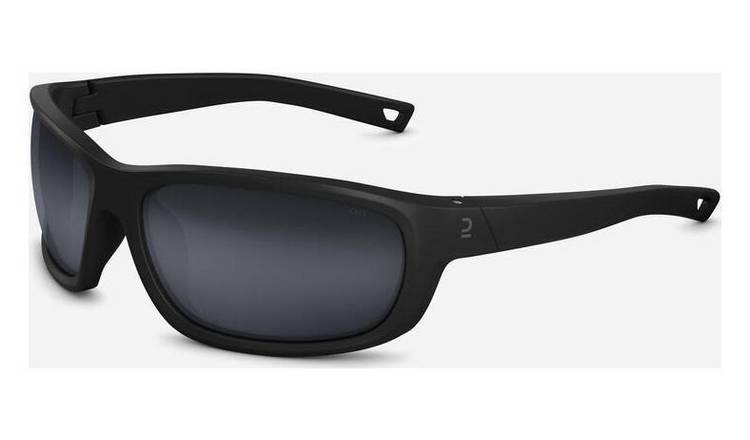
One of the best-value hiking sunglasses available. Only £10!
Pros:
- Excellent price
- Lightweight
- Good coverage
- Reliable UV protection
Cons:
- Less fashionable than premium brands
Ideal for:
- Beginners
- Casual walkers
- Family hiking trips
Alpkit Swift Lightweight Active-Fit Polarised Sunglasses
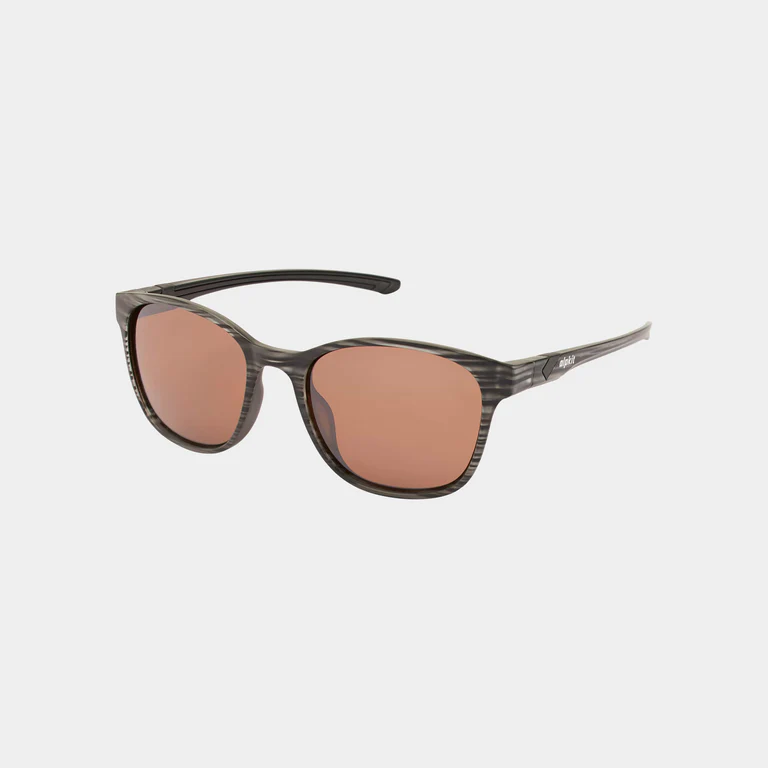
A fantastic option from independent British outdoor company Alpkit. £14.99
Pros:
- Very lightweight
- Polarised lenses
- Great value
Cons:
- Limited frame styles
Ideal for:
- Fast hikers
- Trail walkers
- Backpackers
Goodr Gardening with a Kraken Sunglasses
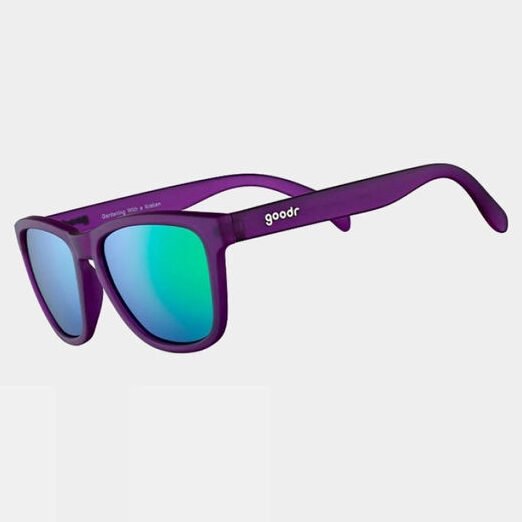
Popular among runners and hikers alike. £30
Pros:
- Stylish
- Lightweight
- Polarised
- Affordable
Cons:
- Less wraparound protection
Ideal for:
- Trail walking
- Everyday use
- Hikers wanting fashionable eyewear
Community feedback frequently highlights Goodr’s balance of comfort, style and value.
Best Premium Hiking Sunglasses
SunGod Unisex Lifestyle Series Sunglasses
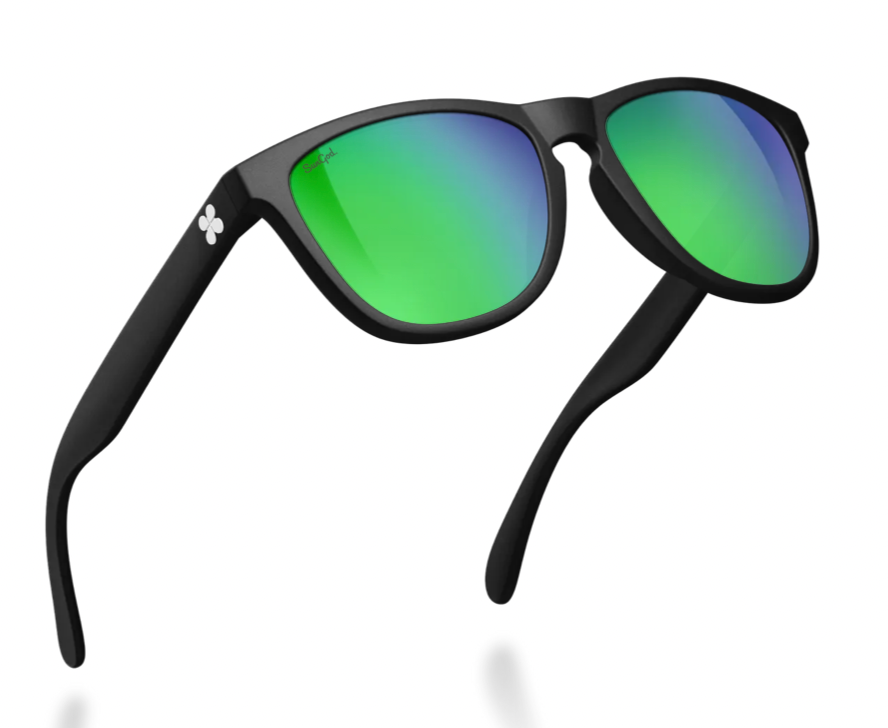
British brand SunGod has become hugely popular among outdoor enthusiasts.
From £65
Pros:
- Excellent lens quality
- Highly customisable
- Strong sustainability credentials
- Stylish enough for daily wear
Cons:
- Premium pricing
Ideal for:
- Regular hikers
- Travellers
- Outdoor photographers
Julbo Whoops Hiking Sunglasses

A long-established favourite in mountain sports. ~£40
Pros:
- Excellent coverage
- Lightweight
- Outstanding optical clarity
Cons:
- More technical appearance
Ideal for:
- Hillwalkers
- Mountain hiking
- Scrambling
Roam Polarised Sunglasses
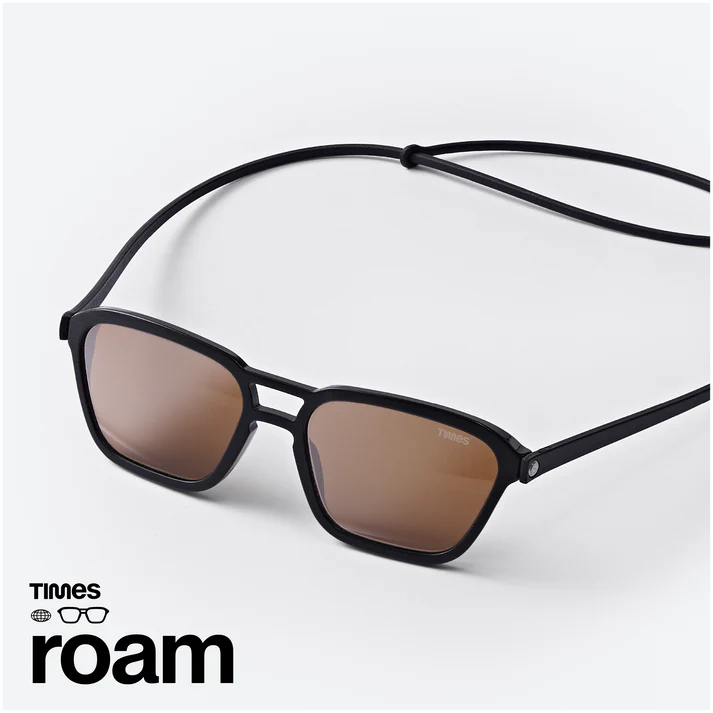
Designed with outdoor adventures in mind. ~£115
Pros:
- Premium lenses
- Durable construction
- Comfortable fit
Cons:
- Higher cost
Ideal for:
- Serious hikers
- Multi-day trekking
Independent British Brands Worth Considering
If supporting UK businesses matters to you, these companies deserve attention:
- SunGod
- Alpkit
- INOV8
- HikeWare
Many offer lightweight frames, UV400 protection and outdoor-focused designs.
Style Matters Too
Outdoor gear no longer needs to look purely functional.
Many hikers now choose sunglasses that can transition seamlessly from:
- Mountain trails
- National Park visits
- Campsites
- Road trips
- Everyday use
Popular styles include:
- Wayfarer-inspired frames
- Lifestyle outdoor hybrids
- Modern square frames
- Semi-wrap sports designs
A pair you’ll enjoy wearing every day is often a better investment than highly technical glasses that stay in a drawer.
How to Carry and Protect Sunglasses While Hiking
-Broken sunglasses are surprisingly common on the trail.
-Use a Hard Case
-The safest option.
-A rigid case protects against:
- Backpack compression
- Falls
- Accidental sitting
-Use a Neck Cord
-Ideal for:
- Coastal hikes
- Scrambling
- Photography stops
-Reduces the risk of dropping glasses over cliffs or into water.
-Store in the Top of Your Pack
-Avoid:
- Loose storage
- Side pockets
- Cooking kit compartments
-Clean Properly
-Carry:
- Microfibre cloth
- Lens pouch
-Never wipe dusty lenses with clothing, as this can cause scratches.
Final Thoughts
The best Hiking Sunglasses UK walkers can buy are not necessarily the darkest or most expensive. Britain’s changing weather rewards versatile lenses, lightweight frames and reliable UV protection.
For budget-conscious hikers, Alpkit, Goodr and Decathlon offer exceptional value. For those wanting premium optics, stylish designs and long-term durability, SunGod and Julbo remain excellent choices.
Ultimately, the best hiking sunglasses are the ones you’ll actually wear—protecting your eyes while complementing your personal style, whether you’re exploring coastal paths in Cornwall, climbing Scottish Munros or enjoying a gentle woodland walk close to home.