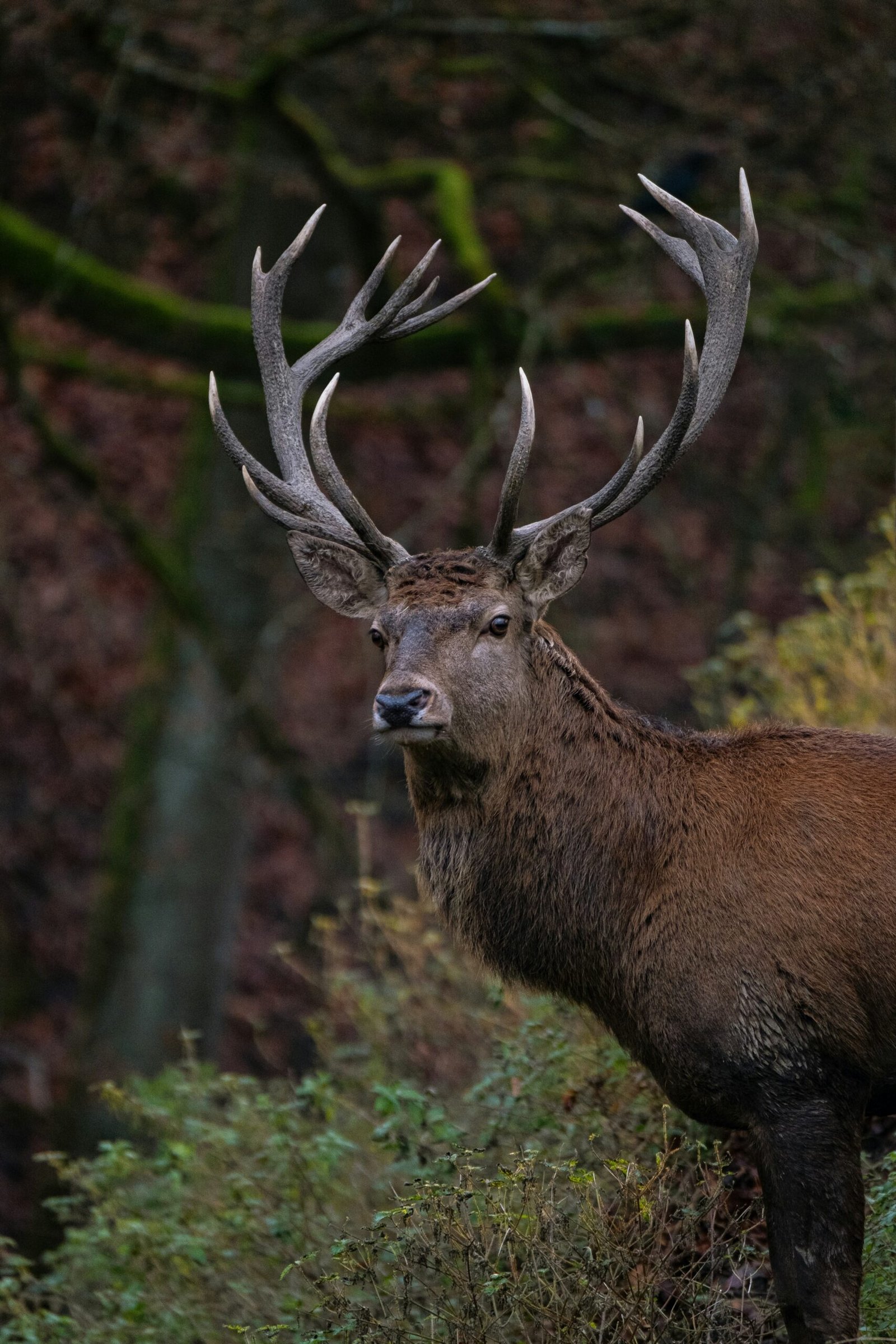

Few places in England offer the variety and beauty of New Forest Wildlife experiences. From ancient woodlands and open heathland to peaceful lakes, hidden villages, dramatic coastlines and thriving wildlife habitats, Hampshire’s New Forest is one of the UK’s most remarkable landscapes. Whether you’re hoping to spot free-roaming ponies, red deer, rare birds or simply enjoy stunning walks through unspoilt countryside, the New Forest provides unforgettable adventures for nature lovers of all ages.
Covering over 200 square miles, this unique national park combines rich biodiversity with centuries of history, creating one of Britain’s most important wildlife destinations.
Why the New Forest is So Important
The New Forest is far more than a collection of woodland walks. Designated as a National Park in 2005, it contains some of Europe’s largest remaining areas of lowland heathland, ancient woodland, bogs, grasslands and coastal habitats.
The area supports:
- Over 5,000 free-roaming ponies
- Rare species such as Dartford warblers and nightjars
- One of the UK’s largest populations of southern damselflies
- Red deer, roe deer and fallow deer
- Ancient oak and beech woodlands hundreds of years old
- Internationally important wetlands and coastal marshes
The New Forest’s traditional system of commoning allows livestock to roam freely, helping maintain the landscape that supports such incredible biodiversity.
Staying Safe Around New Forest Wildlife
The animals roaming freely across the New Forest are one of its greatest attractions, but visitors should always behave responsibly.
Ponies, Stallions and Mares with Foals
New Forest ponies may appear tame, but they are not pets. They will bite and kick.
Important Guidelines:
- Never feed ponies.
- Stay at least 10 metres away.
- Do not attempt to touch or stroke them.
- Keep dogs under close control.
- Give mares with foals extra space.
Mares can become highly protective if they feel their foals are threatened.
During the Breeding Season
Stallions are released into the forest during the breeding season and can become territorial. If you encounter a stallion, observe quietly from a distance and avoid approaching groups of ponies.
Red Deer During the Rut
The autumn rut typically occurs between September and November.
During this period:
- Stags become highly aggressive and only have eyes for the does. If you are between them and their destination they won’t be afraid to go through you
- Never position yourself between deer.
- Keep at least 50 metres away.
- Use binoculars for viewing.
- Keep dogs on leads.
The rut is spectacular to witness, but safety must always come first.
During the season the national trust also close off some areas of the new forest to allow deer to rest undisturbed. You must obey the signs and respect their space.
Driving Safely Through the New Forest
Many visitors are surprised to encounter ponies, cattle, donkeys and deer standing directly on roads.
Always drive slowly where animals are roaming – there’s no excuse. There are multiple road casualties every year – humans can usually get medical help but it’s usually a fatal event for wildlife.
Follow these rules:
- Observe speed limits carefully – always slow down when animals are near the road
- Slow down at dusk and dawn.
- Be especially cautious in fog.
- Never sound your horn at animals.
- Allow animals to move away naturally.
- Expect animal crossings at any time. You may not see them coming – if you’re driving sensibly you will have more time to see a foal running out from behind a bush
Collisions with wildlife are unfortunately common and can seriously injure both animals and drivers.
Top 15 New Forest Wildlife Walks and Coastal Escapes
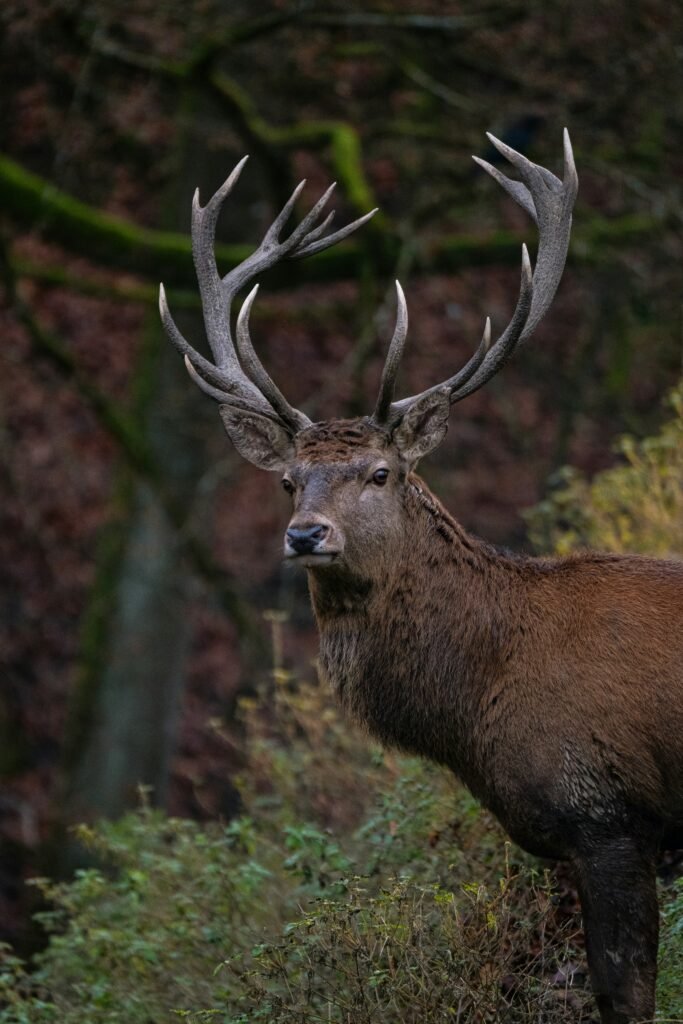
1. Bolderwood Deer Sanctuary
Why Visit
One of the best places in Britain to observe wild deer. It is a safe place to watch the rut as well with expert guides around.
Walk Details
- Distance: 2–6 miles
- Difficulty: Easy
- Time: 1–3 hours
Parking
Large pay-and-display car park at Bolderwood.
Facilities
- Toilets
- Picnic area
- Information boards
Top Tip
Visit early morning or late afternoon for the best deer sightings.
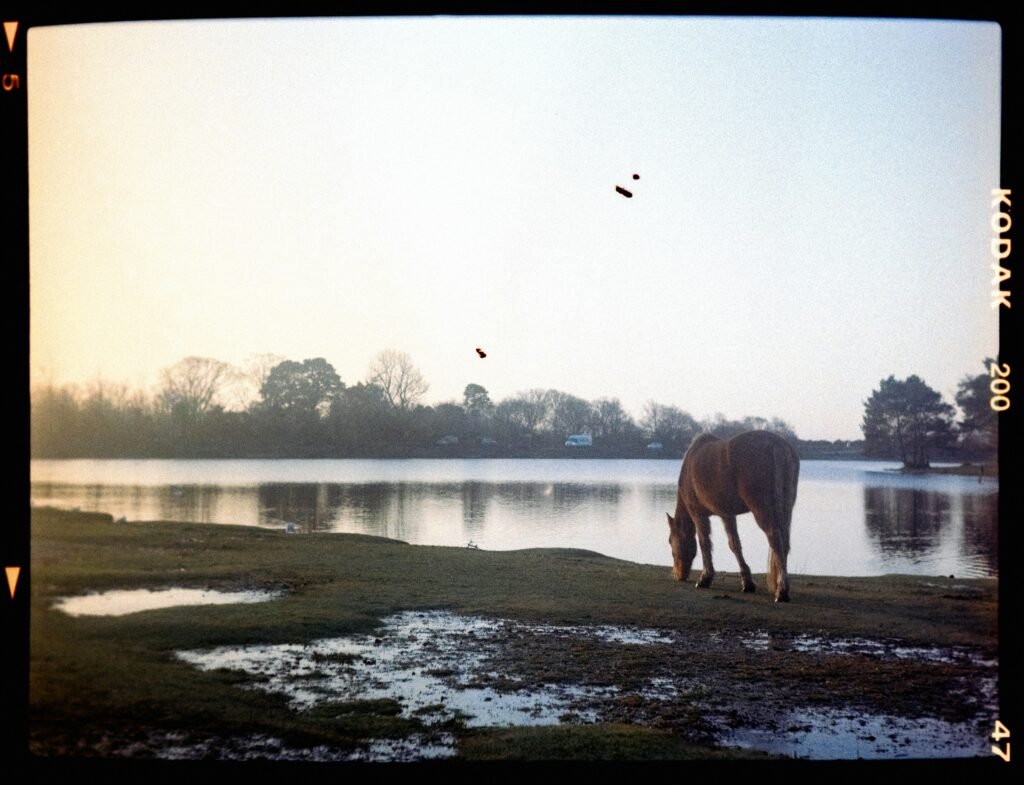
2. Hatchet Pond
Why Visit
The largest freshwater body in the New Forest and a haven for birdlife.
Walk Details
- Distance: 1–3 miles
- Difficulty: Easy
Parking
Roadside parking available.
Facilities
Limited facilities nearby.
Top Tip
Bring binoculars to spot grebes, ducks and dragonflies.
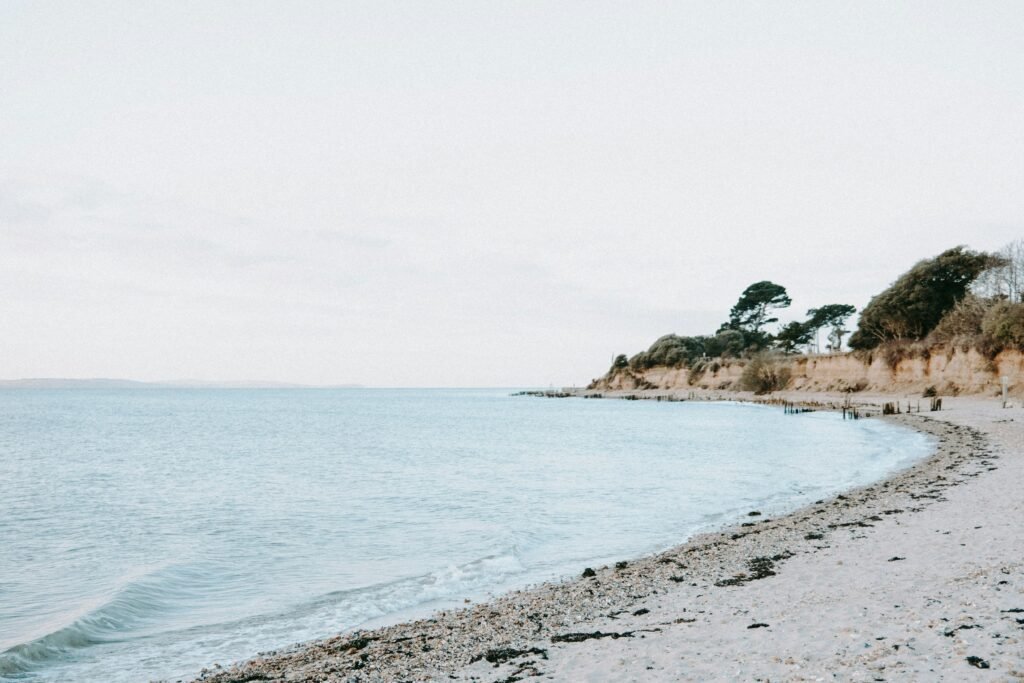
3. Lepe Country Park
Why Visit
Combines coastal views with woodland and meadow walks.
Walk Details
- Distance: 2–5 miles
- Difficulty: Easy
Parking
Large pay-and-display car park.
Facilities
- Café
- Toilets
- Visitor centre
Top Tip
Watch the sunset over the Solent.
4. Keyhaven Marshes
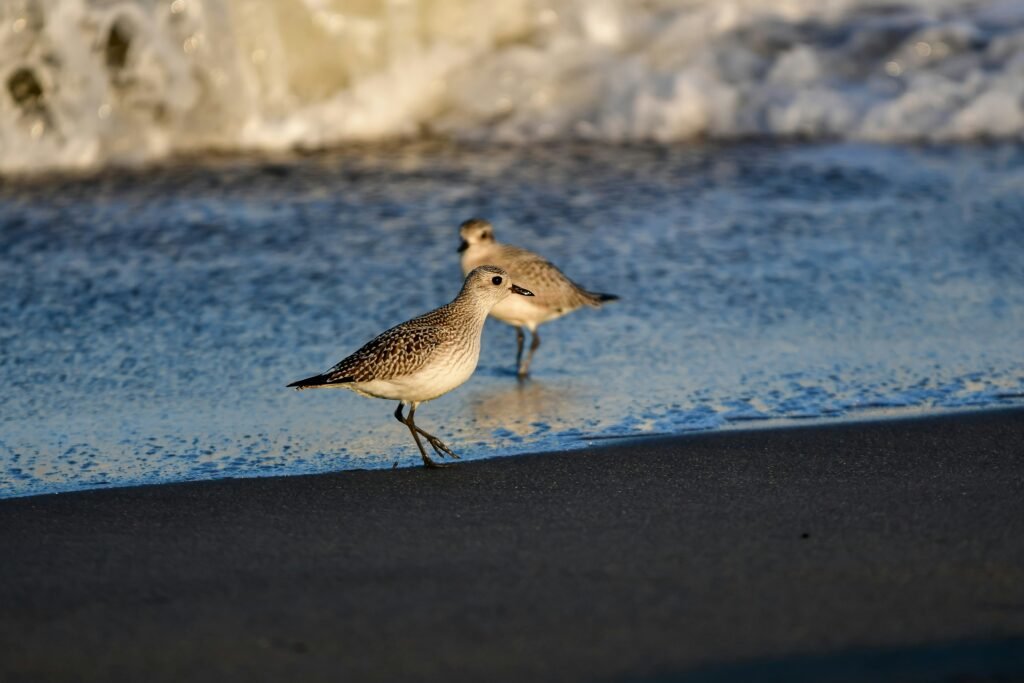
Why Visit
One of Hampshire’s finest birdwatching locations.
Walk Details
- Distance: 4–6 miles
- Difficulty: Easy
Parking
Keyhaven harbour parking.
Facilities
Nearby pubs and cafés.
Top Tip
Winter brings huge numbers of wading birds and wildfowl.
5. Hurst Castle Coastal Walk
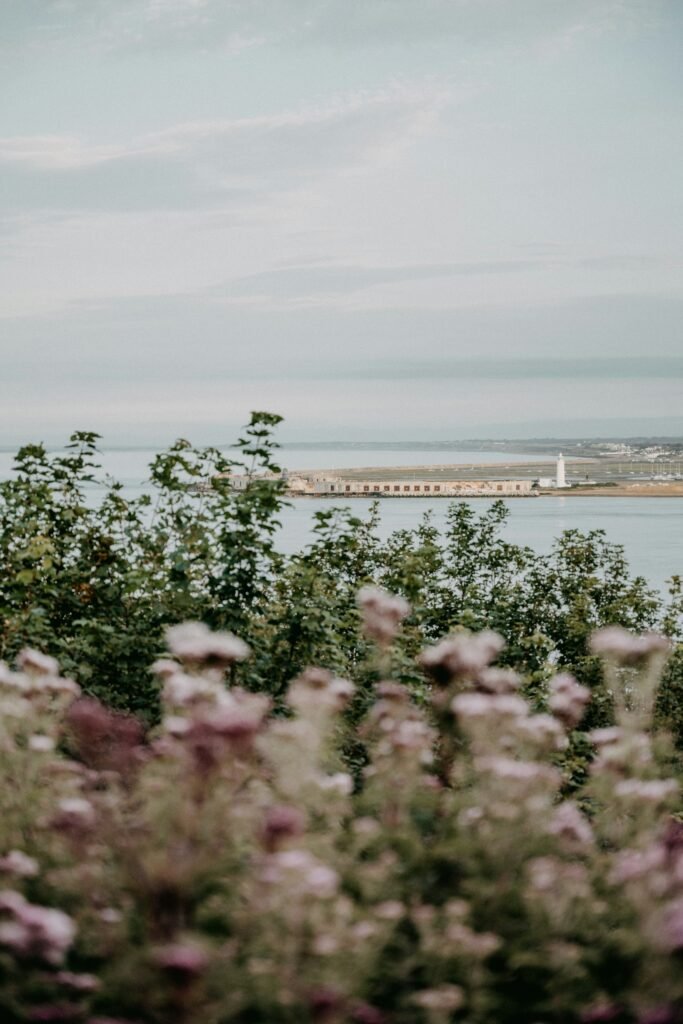
Why Visit
A spectacular shingle spit leading to historic coastal fortifications.
Walk Details
- Distance: 4 miles return
- Difficulty: Moderate
Parking
Milford-on-Sea car parks.
Facilities
Seasonal refreshments.
Top Tip
Check tide and weather conditions before setting out.
6. Blackwater Arboretum
Why Visit
Magnificent ornamental trees and accessible walking routes.
Walk Details
- Distance: 1–3 miles
- Difficulty: Easy
Parking
Dedicated forestry car park.
Facilities
Seasonal toilets.
Top Tip
Stunning autumn colours from October onwards.
7. Ober Water and Rhinefield
Why Visit
Ancient woodland, streams and some of the most picturesque scenery in the forest.
Walk Details
- Distance: 3–7 miles
- Difficulty: Easy to Moderate
Parking
Rhinefield Ornamental Drive.
Facilities
Nearby hotel and refreshments.
Top Tip
Excellent location for photography.
8. Wilverley Inclosure
Why Visit
A hidden gem with ancient woodland and heathland.
Walk Details
- Distance: 2–5 miles
- Difficulty: Easy
Parking
Free forestry car park.
Facilities
None on site.
Top Tip
Ideal for spotting woodpeckers and woodland birds.
9. Acres Down
Why Visit
One of the finest viewpoints in the New Forest.
Walk Details
- Distance: 3–5 miles
- Difficulty: Moderate
Parking
Acres Down car park.
Facilities
None.
Top Tip
Perfect location for sunset photography.
10. Beaulieu River Walk
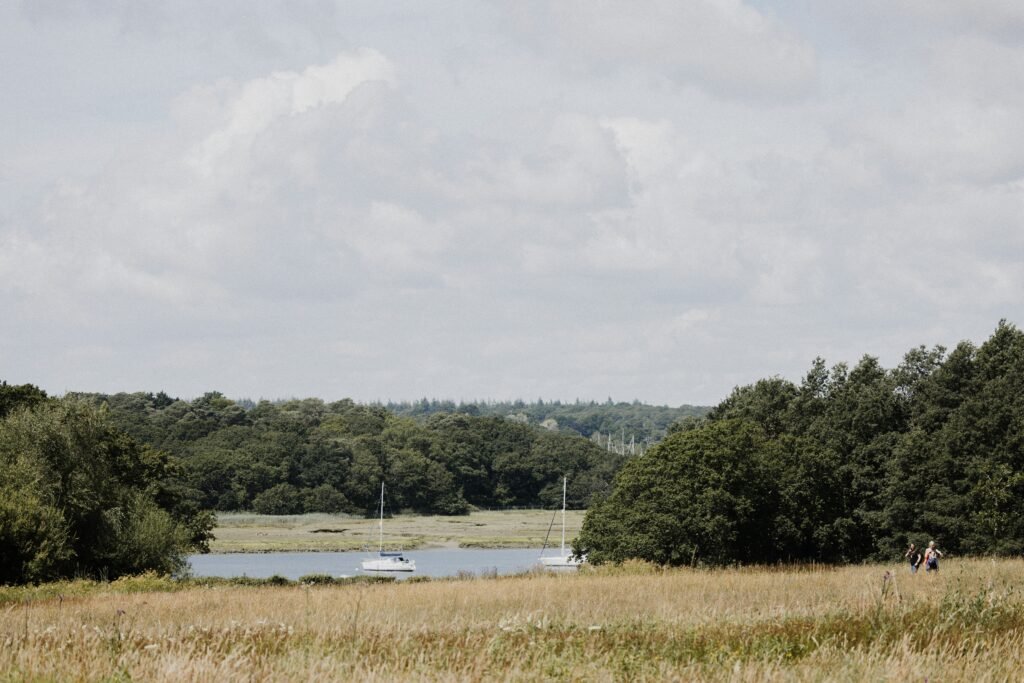
Why Visit
Beautiful riverside scenery with abundant wildlife.
Walk Details
- Distance: 2–6 miles
- Difficulty: Easy
Parking
Buckler’s Hard parking area.
Facilities
- Café
- Museum
- Toilets
Top Tip
Watch for kingfishers and herons.
11. Rockford Common and Blashford Lakes
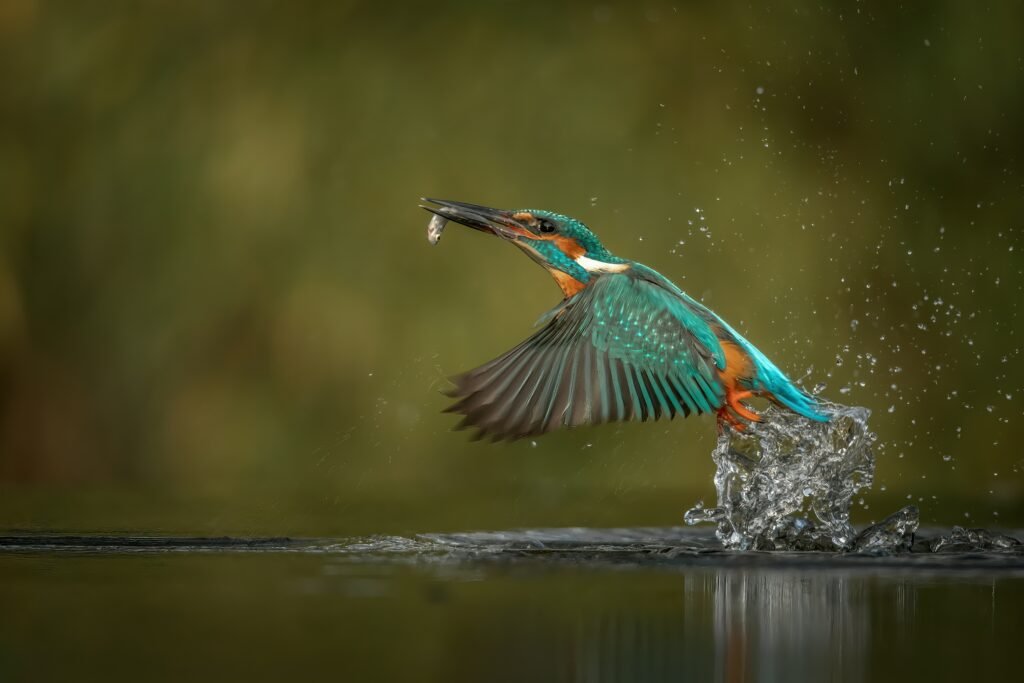
Why Visit
A superb combination of heathland and freshwater habitats.
Walk Details
- Distance: 3–6 miles
- Difficulty: Easy
Parking
Blashford Lakes Nature Reserve.
Facilities
Visitor facilities available.
Top Tip
Excellent year-round birdwatching.
12. Setley Ridge and Sway Woods
Why Visit
A peaceful route away from the busiest tourist areas.
Walk Details
- Distance: 3–5 miles
- Difficulty: Easy
Parking
Village parking in Sway.
Facilities
Village shops and cafés.
Top Tip
A fantastic hidden gem for quiet woodland exploration.
13. Roydon Woods Nature Reserve
Why Visit
Ancient woodland rich in butterflies and birds.
Walk Details
- Distance: 2–4 miles
- Difficulty: Easy
Parking
Small reserve car park.
Facilities
None.
Top Tip
Visit during spring for bluebells and woodland flowers.
14. Denny Wood
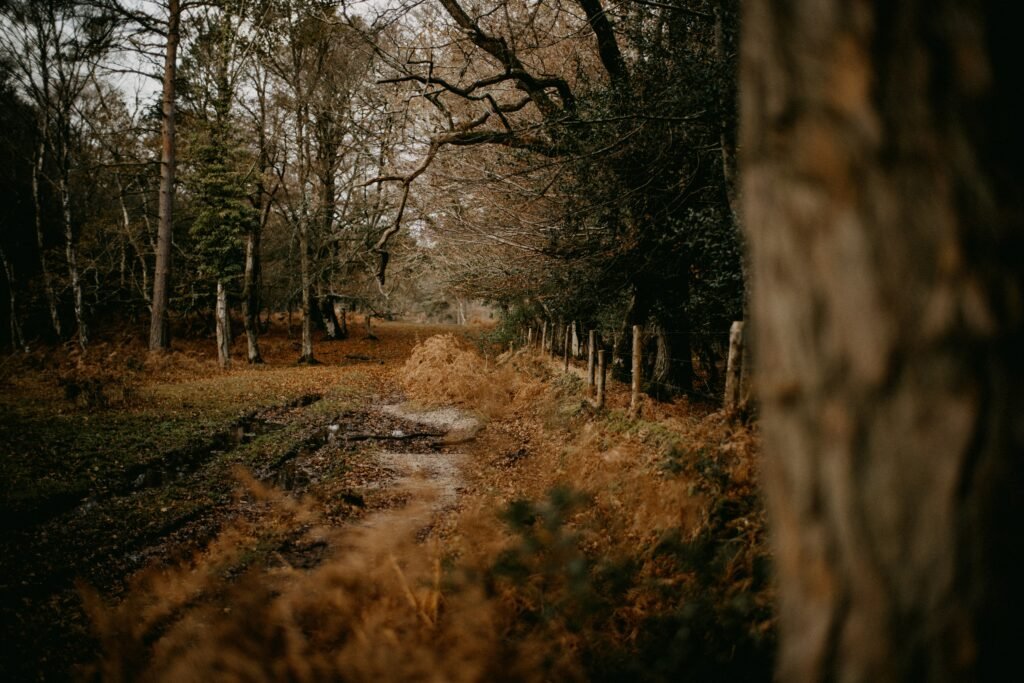
Why Visit
One of the New Forest’s most beautiful ancient woodlands.
Walk Details
- Distance: 2–4 miles
- Difficulty: Easy
Parking
Denny Wood car park.
Facilities
None.
Top Tip
Visit in May when bluebells carpet the forest floor.
15. Calshot Spit
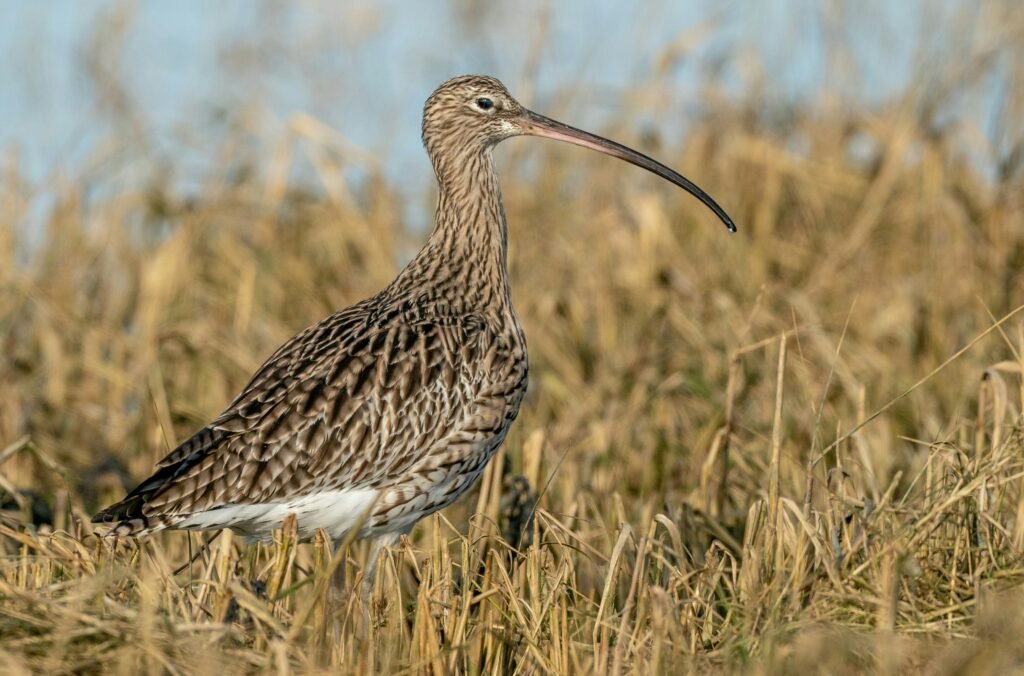
Why Visit
A coastal escape combining beaches, history and birdlife.
Walk Details
- Distance: 2–5 miles
- Difficulty: Easy
Parking
Calshot Activities Centre parking.
Facilities
- Café
- Toilets
- Watersports centre
Top Tip
Excellent location for watching shipping movements in the Solent.
Best Times of Year for New Forest Wildlife
Spring
- Foals appear
- Birdsong reaches its peak
- Woodland flowers bloom
Summer
- Butterflies and dragonflies thrive
- Heathland begins flowering
Autumn
- Deer rutting season
- Spectacular woodland colours
- Fewer visitors
Winter
- Outstanding birdwatching
- Peaceful walking conditions
- Dramatic coastal scenery
Final Thoughts
The New Forest remains one of England’s greatest wildlife destinations, offering everything from ancient woodland adventures and tranquil lakes to wild coastlines and internationally important habitats. By respecting the animals that call the forest home and exploring beyond the most famous hotspots, visitors can experience some of Hampshire’s most rewarding outdoor escapes.
Whether you’re watching red deer emerge from misty woodland, walking beside the Beaulieu River, or enjoying sweeping views across the Solent, the New Forest delivers unforgettable wildlife encounters and coastal adventures throughout the year.